With Cuba in crisis, faith groups work to influence policy, deliver aid
(RNS) — U.S. Republican administrations have long seen faith groups as a cornerstone for humanitarian aid and community trust as they push for regime change in Cuba.
(RNS) — U.S. Republican administrations have long seen faith groups as a cornerstone for humanitarian aid and community trust as they push for regime
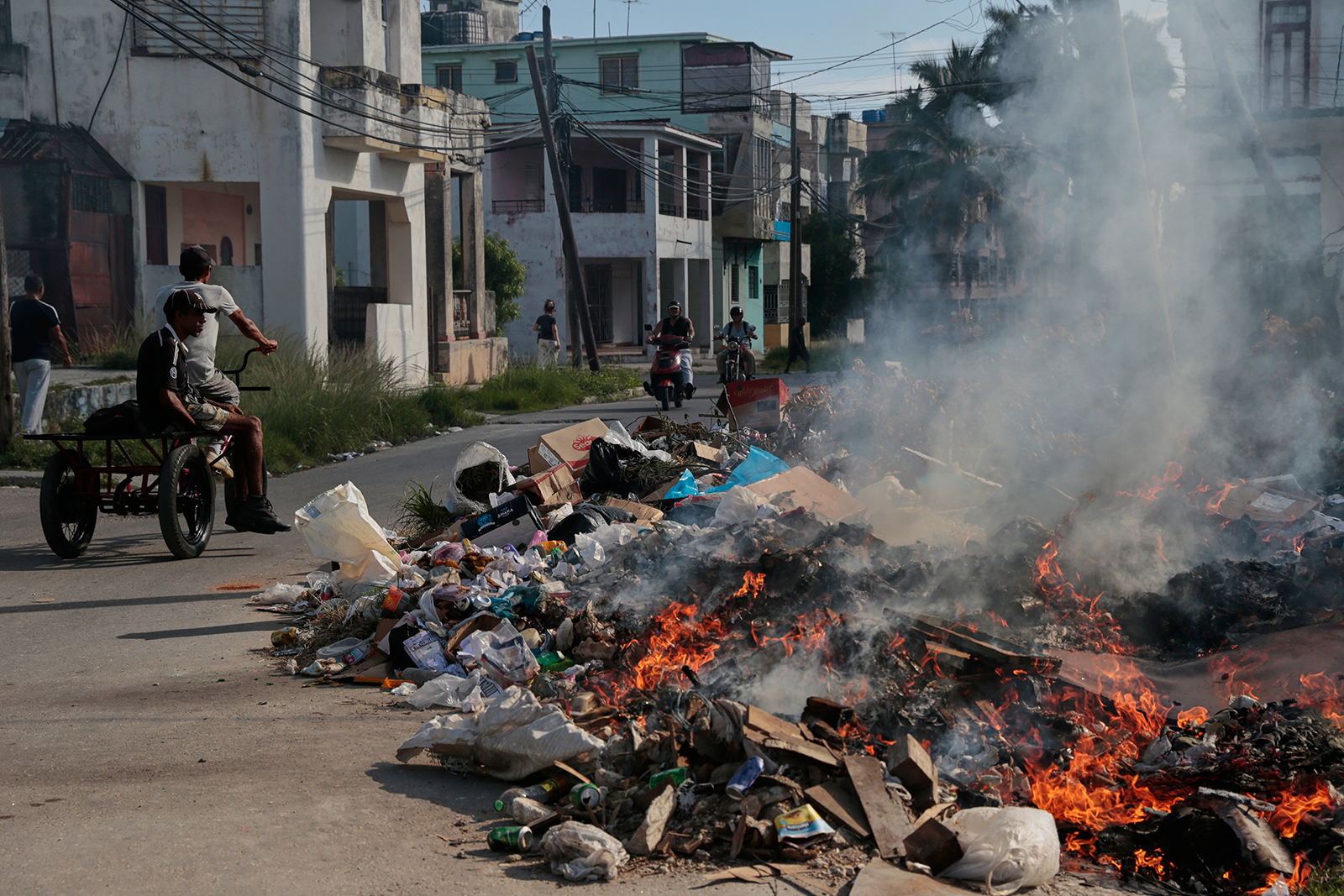
Read Full Story at Religion News Service →The unfolding crisis in Cuba has thrust faith-based organizations into a pivotal, if controversial, role at the intersection of humanitarian aid and geopolitical strategy. As economic collapse and political unrest deepen on the island, U.S. religious groups—particularly evangelical and Catholic factions—have emerged as key intermediaries, leveraging their networks to deliver supplies and influence policy. This dynamic isn’t new; for decades, conservative administrations in Washington have relied on faith communities as both moral validators and operational partners in efforts to undermine the Cuban government. But in an era where Cold War justifications have faded, the engagement of these groups now carries added weight, raising questions about the ethical boundaries of humanitarianism when it’s intertwined with regime-change ambitions. What often escapes broader scrutiny is the historical depth of this relationship. During the 1960s and ’70s, the U.S. government covertly funded religious groups in Cuba as part of broader anti-communist operations, a strategy that later drew criticism for instrumentalizing faith for political ends. Today’s landscape is more overt, with evangelical organizations openly aligning with Cuban-American lobbying efforts in Congress, framing their aid not just as charity but as a tool to weaken the island’s socialist system. Yet their involvement also reflects a genuine humanitarian impulse, particularly as shortages of food, medicine, and electricity trigger mass emigration and social unrest. The challenge lies in disentangling altruism from politics—a distinction that grows murkier as aid convoys become proxies in a larger ideological battle. Looking ahead, the most pressing unknowns center on whether this faith-led approach will yield tangible results. Can humanitarian corridors genuinely alleviate suffering without becoming political leverage? Will Cuba’s government, already suspicious of foreign religious networks, tighten restrictions or crack down on dissent disguised as aid? Meanwhile, the Biden administration’s tepid response to Cuba—contrasting sharply with its vocal support for Ukraine—suggests a hesitation to fully endorse regime change, leaving faith groups operating in a policy gray zone. Their growing influence also underscores a broader trend: the privatization of foreign policy, where non-state actors increasingly shape outcomes once reserved for governments. As Cuba’s crisis deepens, the question isn’t just whether faith can bridge divides, but whether it will deepen them instead.