Xreal launches $299 a01+ AR glasses
Xreal’s a01+ AR glasses cost $299 and weigh 62 grams, offering dual-layer 120Hz Micro-OLED displays with HDR10 and a virtual 147-inch screen for media consumption. They lack a camera but include custo
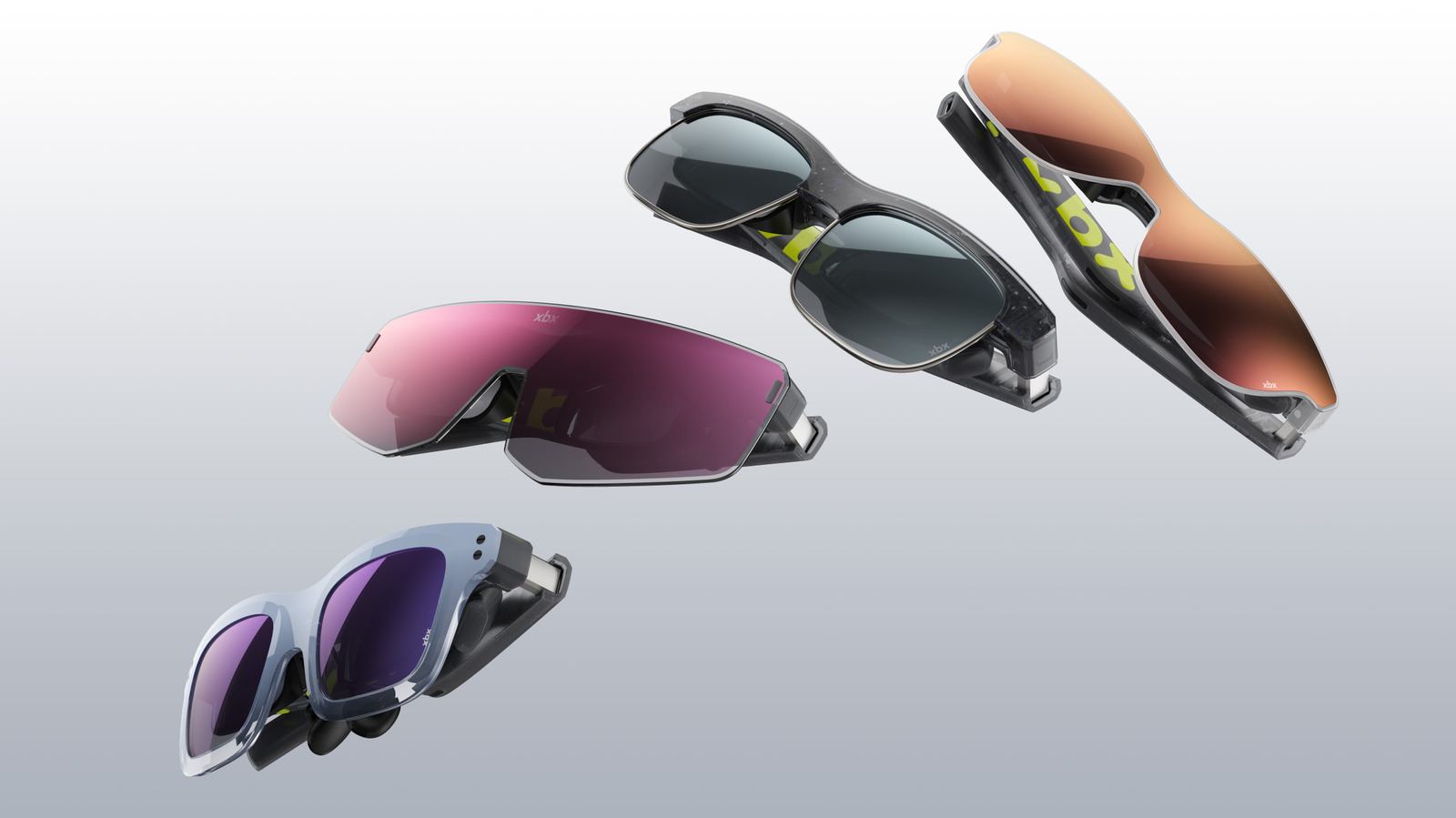
Xreal has launched its budget-friendly X by Xreal a01+ AR glasses for $299, targeting gamers and movie lovers who want a portable, big-screen experien
Read Full Story at Engadget →Why This Matters
The launch of Xreal’s a01+ AR glasses at $299 challenges the assumption that high-end augmented reality requires premium pricing, signaling a potential inflection point for mainstream AR adoption. By prioritizing lightweight design and media-focused features over camera integration, the glasses redefine consumer expectations for portable immersive displays.
Background Context
Consumer AR glasses have historically struggled to balance performance, comfort, and cost—a trifecta that has kept the category niche despite years of hype. Early adopters often faced trade-offs like heavy form factors or limited use cases, while high-end models priced above $1,000 limited market penetration. Xreal’s prior iterations, like the Air 2, laid groundwork for modularity, but the a01+ marks a deliberate pivot toward casual users.
What Happens Next
Industry watchers will likely gauge whether the a01+’s lack of a camera limits its appeal as AR evolves beyond media consumption, or if its HDR10 and 120Hz displays set a new standard for entry-level immersive tech. Competitors may accelerate cost-cutting in OLED panels, while app developers could prioritize screen mirroring optimizations for lightweight wearables. Long-term, this could pressure tech giants to revisit their own AR strategies.
Bigger Picture
The a01+ reflects a broader shift toward "utility-first" AR, where practicality trumps gimmicks—a trend mirrored in Apple’s Vision Pro emphasis on productivity. As silicon costs drop and Micro-OLED production scales, we may see a democratization of spatial computing, with glasses becoming as common as smartwatches within a decade. Yet regulatory scrutiny around wearables’ potential for distraction or misuse could emerge as a counter-trend.






