XREAL releases $299 AR glasses in the US
XREAL launched its a01 Plus AR glasses in the US for $299, featuring a light shield and 120Hz displays. This sub-$300 price point lowers the barrier to entry, making augmented reality accessible to ma
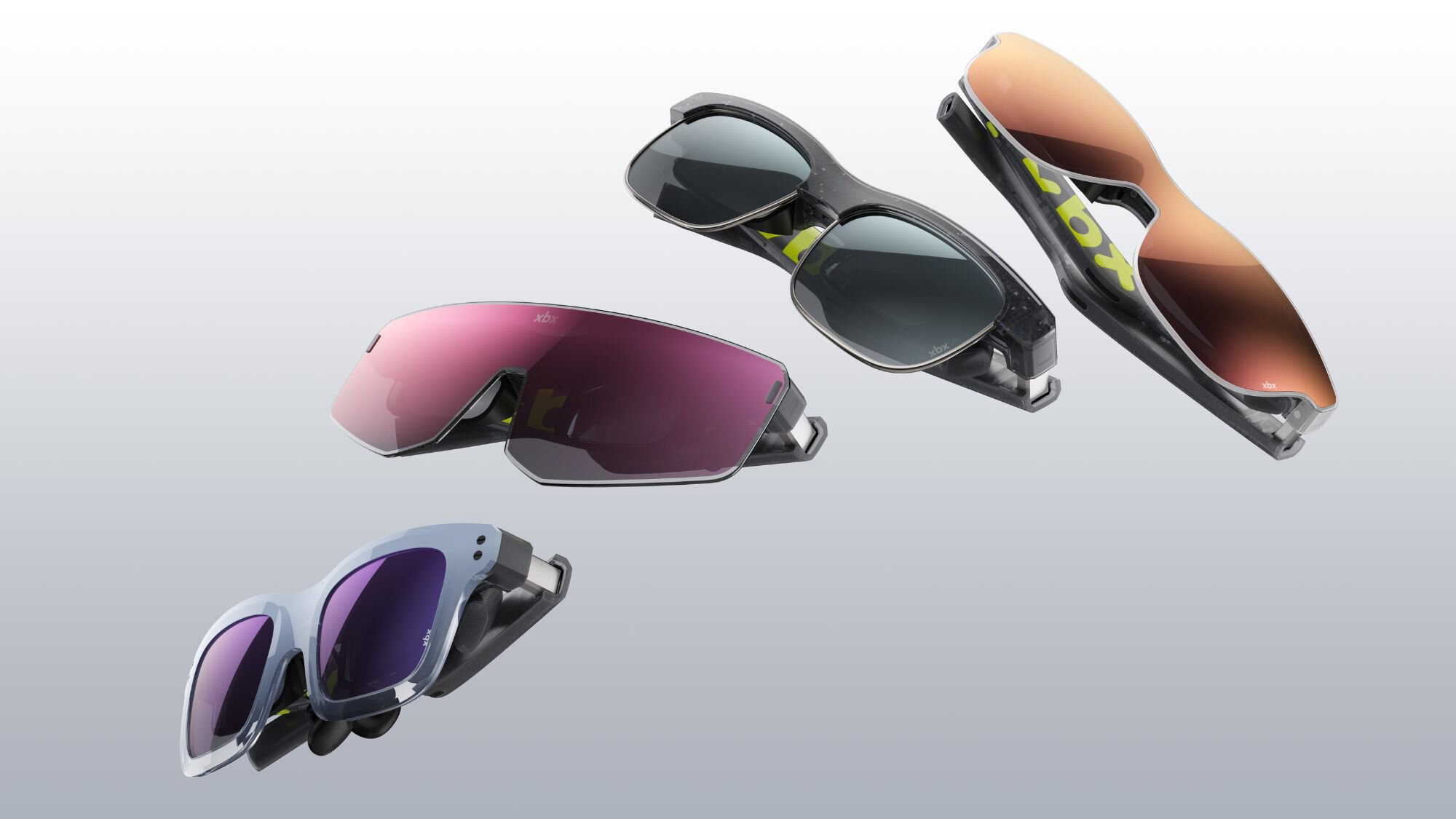
XREAL has officially launched its a01 Plus augmented reality glasses in the United States, marking a significant shift in accessibility for immersive
Read Full Story at Android Authority →Why This Matters
The arrival of XREAL’s a01 Plus AR glasses at under $300 marks a pivotal moment for consumer-grade augmented reality, signaling that the technology may soon transition from niche experimentation to mainstream adoption. By slashing the price point while maintaining 120Hz displays—a feature typically reserved for higher-end devices—XREAL is challenging the long-held assumption that premium AR experiences must come at a premium cost.
Background Context
Augmented reality has long been constrained by the "chicken-and-egg" dilemma: developers hesitate to build for a market too small to justify investment, while consumers hold off because of limited compelling content. Early AR glasses from companies like Microsoft and Magic Leap often cost $1,000 or more, catering primarily to enterprise and developer audiences. XREAL’s prior models, while innovative, struggled to break into the mass market due to their $500–$800 price tags.
What Happens Next
If XREAL’s pricing strategy succeeds, competitors like Meta, Apple, and Snap may accelerate their own budget-friendly AR offerings, intensifying price wars in the wearables space. The real test will be whether the a01 Plus can drive enough developer and consumer interest to create a self-sustaining ecosystem, particularly in gaming, productivity, and social applications. Watch for early adopter feedback on comfort, battery life, and software support in the coming months.
Bigger Picture
This price breakthrough aligns with a broader trend in tech: the democratization of once-exclusive hardware through economies of scale and refined manufacturing. Just as smartphones evolved from luxury devices to ubiquitous tools, AR glasses are now following a similar trajectory—provided the software ecosystem matures quickly enough to justify the hardware investment.