Yale study reveals 'Medicare for All' could save $1 trillion, 114,000 lives
A Yale study indicates that a "Medicare for All" system could save the U.S. $1 trillion and prevent 114,000 deaths annually. The findings, which have not yet been peer-reviewed, could impact upcoming…
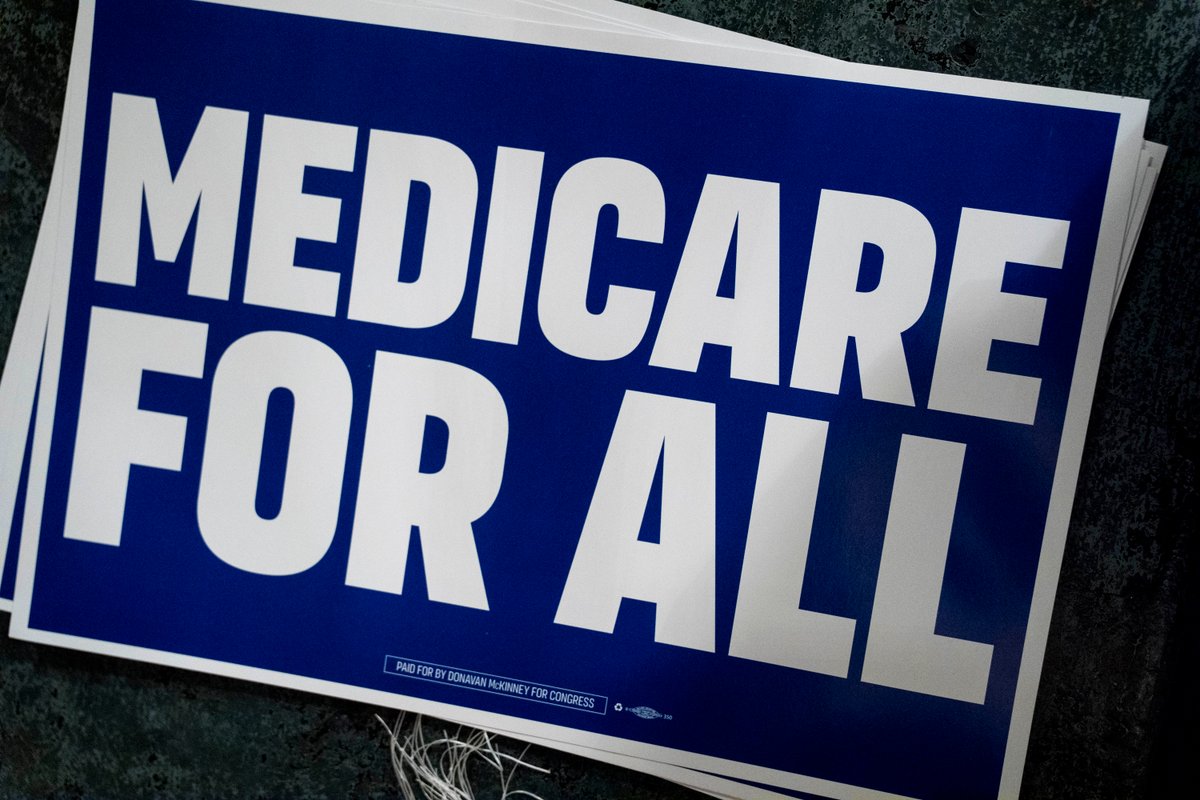
A new study from Yale University suggests that implementing a "Medicare for All" system in the United States could save the nation $1 trillion and prevent 114,000 deaths each year. The findings have garnered attention from political leaders, particularly Senator Bernie Sanders, who has long advocated for a universal, single-payer healthcare model. However, it is important to note that the study has not yet undergone peer review, which raises questions about its conclusions.
This study comes at a time when healthcare reform is a hot topic in American politics. Rising healthcare costs, coupled with persistent calls for universal coverage, have intensified debates about the effectiveness of the current system. Many Americans struggle with high medical expenses, and the COVID-19 pandemic has highlighted the vulnerabilities in the existing healthcare framework. The Yale study aims to provide quantitative backing for a system that could potentially address these issues by simplifying healthcare access and reducing administrative costs.
The research indicates that a single-payer system could drastically cut costs by streamlining payment processes and eliminating private insurance overhead. Currently, the U.S. spends more on healthcare than any other country, yet millions remain uninsured or underinsured. Proponents argue that a universal system would not only improve health outcomes but also lead to a more equitable distribution of care. Critics, however, worry about the financial implications of transitioning to such a model and the potential for increased taxes.
Looking ahead, the study's findings could influence future legislative efforts surrounding healthcare reform. If the results hold up under peer review, they may provide a significant boost to proponents of Medicare for All. As the 2024 elections approach, healthcare will likely be a key issue. Political leaders may use this research to bolster their arguments for a more inclusive health system, potentially reshaping the national conversation about healthcare access and affordability in the years to come.
Read Full Story at Scientific American →