Zambian president wins re-election as courts block legal challenges
Zambia’s president won re-election, but the country’s courts remain closed, blocking legal challenges. This suspension of justice undermines democratic accountability and threatens the legitimacy of …
Zambian President Hakainde Hichilema has been declared the winner of the August 13 presidential election by the Electoral Commission of Zambia, securing a second term in office. The official results show that Hichilema defeated his closest challenger, Brian Mundubile, who received 38 percent of the vote. This declaration marks a critical juncture for the nation’s democratic processes, setting the stage for a potential legal battle. Mundubile, representing the National Reconciliation Party for Unity and Prosperity, has publicly stated his intention to contest the outcome. He vowed that his party would not relent in the face of any obstacles, signaling that the political dispute is far from over. The announcement has intensified scrutiny on the electoral integrity and the mechanisms available for political redress in one of Africa’s key democracies. The tension is palpable as the country navigates the delicate post-election period, with the legitimacy of the result now hanging in the balance of upcoming legal proceedings.
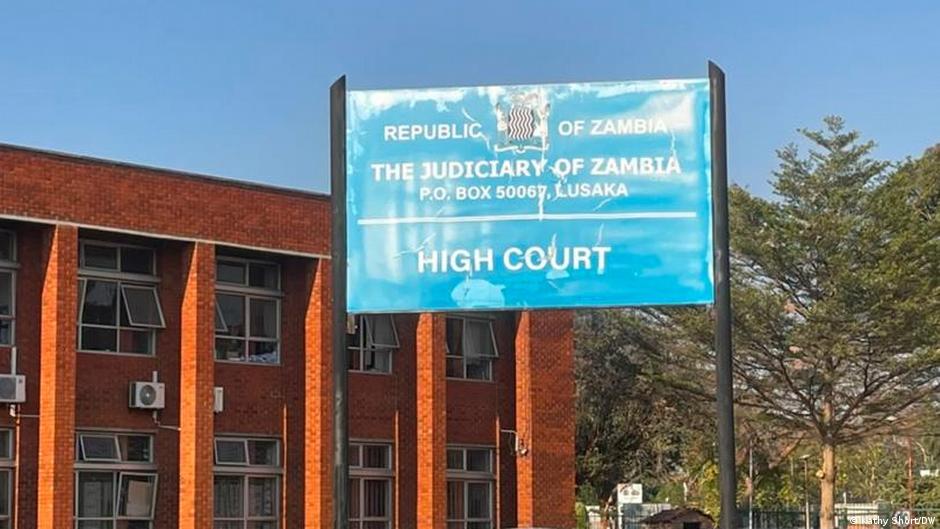
The controversy has deepened significantly because Zambia’s courts have remained closed since August 24, a move officials justify by citing urgent security concerns. This indefinite closure has sparked widespread alarm among legal experts and opposition figures, who argue that it effectively blocks access to judicial safeguards during a crucial window for election disputes. The Law Association of Zambia has demanded the immediate restoration of court operations, emphasizing that security measures must not undermine judicial independence or constitutional rights. Arnold Kaluba, the president of the Law Association, stressed that any such measures must be lawful, proportionate, and respectful of the judiciary’s autonomy. The Human Rights Commission of Zambia has echoed these concerns, with chairperson Pamela Towela Sambo warning that disrupting judicial operations threatens fundamental rights, including access to fair trials and legal remedies. She cautioned that delays in justice increase the risk of arbitrary detentions and leave citizens without effective recourse, thereby eroding public trust in the rule of law.
Adding to the complexity, Zambia’s Chief Justice Mumba Malila acknowledged on August 25 that he received documents described as a presidential election petition through his private email address. Malila characterized this method of submission as highly irregular, especially given that the courts are currently inaccessible for formal legal procedures. Despite the irregularity, he referred the documents to the Constitutional Court to determine whether they constitute a formally filed petition. This distinction is vital because receiving documents via email does not automatically confirm that a legal challenge has been officially lodged under the law. The situation raises serious questions about how election-related cases can be properly filed and processed when the primary venues for such actions are shut down. It creates a procedural vacuum that leaves both the opposition and the electorate in uncertainty regarding the next steps in the legal challenge.
The presidency has firmly rejected suggestions that the court closures were designed to prevent or interfere with challenges to the election results. Clayson Hamasaka, the chief communications specialist for President Hichilema, described the security measures as intelligence-led and preventive in nature. This defense attempts to separate the administrative decision to close courts from the political implications of the election dispute. However, the timing of the closures, coinciding precisely with the release of election results and the opposition’s announcement of a challenge, continues to fuel skepticism. As the Constitutional Court evaluates the validity of the emailed petition, the nation watches closely to see whether the judiciary can maintain its independence amidst political pressure. The outcome will not only determine the fate of this election but will also set a precedent for how future democratic disputes are handled in Zambia and potentially across the region. The coming weeks will test the resilience of Zambian institutions and their ability to uphold the rule of law during periods of intense political contention.
Read Full Story at DW World →