NASA invites students to propose energy solutions for aircraft emissions
NASA's 2026-2027 Design With a University Middle School Design Challenge invites students to propose new energy systems for aircraft, addressing rising fuel consumption and emissions in the National …
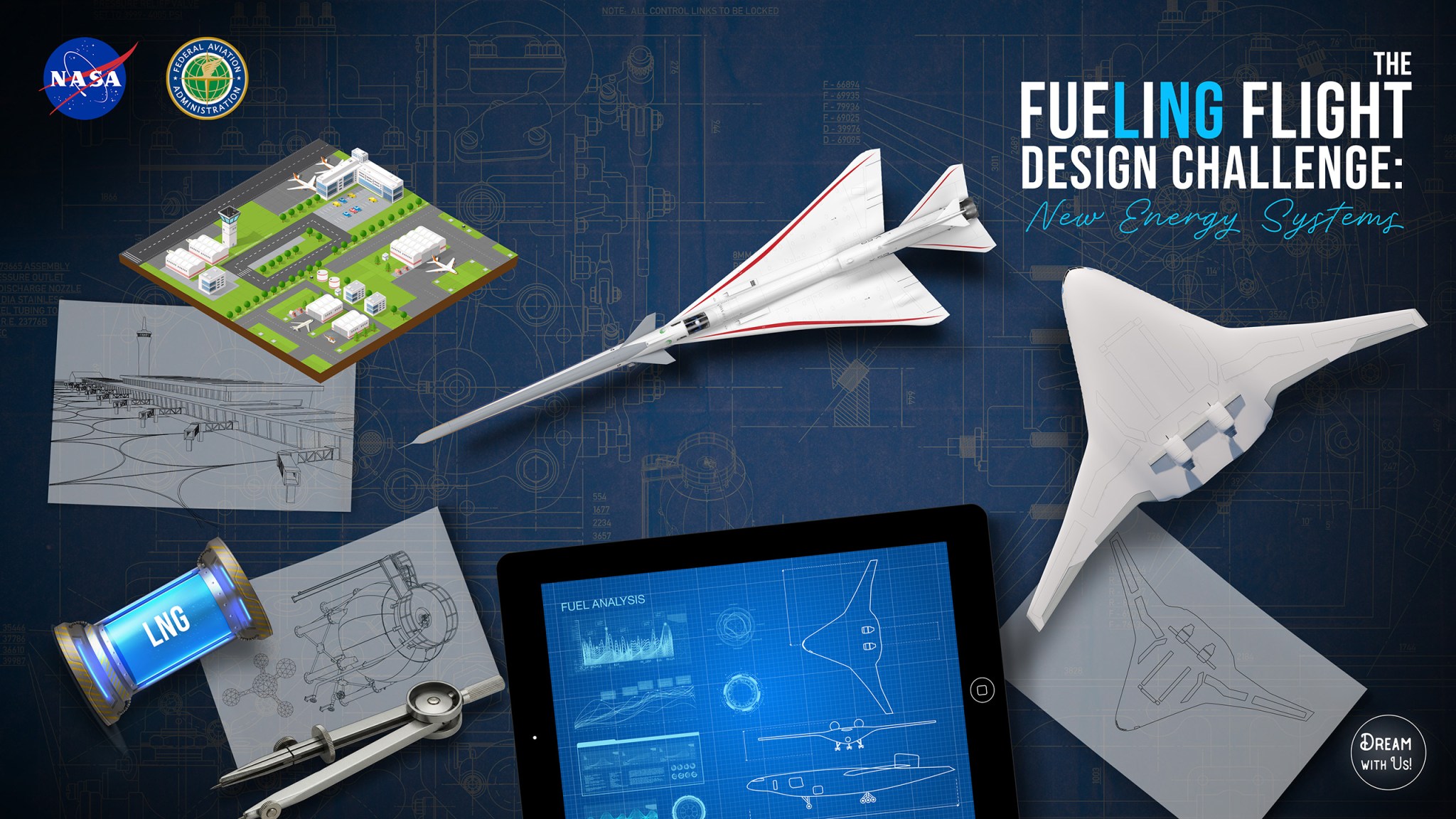
NASA and its partners have launched the 2026‑2027 Design With a University (DWU) Middle School Design Challenge, inviting students nationwide to create new energy systems for aircraft. The competition, titled “Fueling Flight Design Challenge: New Energy Systems,” opens on Sept. 30 and runs through the spring semester, with finalists presenting prototypes at a NASA‑hosted showcase in Houston.
The challenge comes as the United States’ National Airspace System sees a surge in commercial, cargo and unmanned flights. More aircraft mean higher fuel consumption and greater emissions, pressuring regulators to find cleaner power sources. NASA, the Federal Aviation Administration, leading universities and industry partners have been developing hybrid‑electric and hydrogen concepts for years, but they need fresh ideas and public support. Engaging middle‑schoolers helps build a pipeline of talent and sparks early interest in sustainable aviation.
Students will work with mentors from NASA’s Aeronautics Research Mission Directorate and university engineering departments. They will receive a curriculum that covers basic aerodynamics, energy storage and safety standards. Judges will evaluate entries on creativity, feasibility and environmental impact. Past winners have gone on to internships at aerospace firms and have earned scholarships for further study. This year, NASA expects to receive over 1,000 submissions, reflecting growing awareness of climate goals among educators and families.
The competition will culminate in a virtual awards ceremony in May, followed by a live exhibition at the Johnson Space Center. Winners will receive cash prizes, mentorship opportunities and the chance to test their concepts in NASA’s wind tunnels. Organizers hope the challenge will accelerate research into low‑carbon propulsion and inspire the next generation of engineers. By involving young learners now, NASA aims to ensure that future aircraft are safer, quieter and greener, aligning with the agency’s broader climate‑action roadmap.
Read Full Story at NASA →