Ancient Vietnamese skeletons suggest new origins for syphilis and yaws
Ancient skeletons found in Vietnam, dating back 3,500 years, suggest that diseases like yaws may have transmitted from mother to child, challenging the belief that syphilis originated in Europe in th…
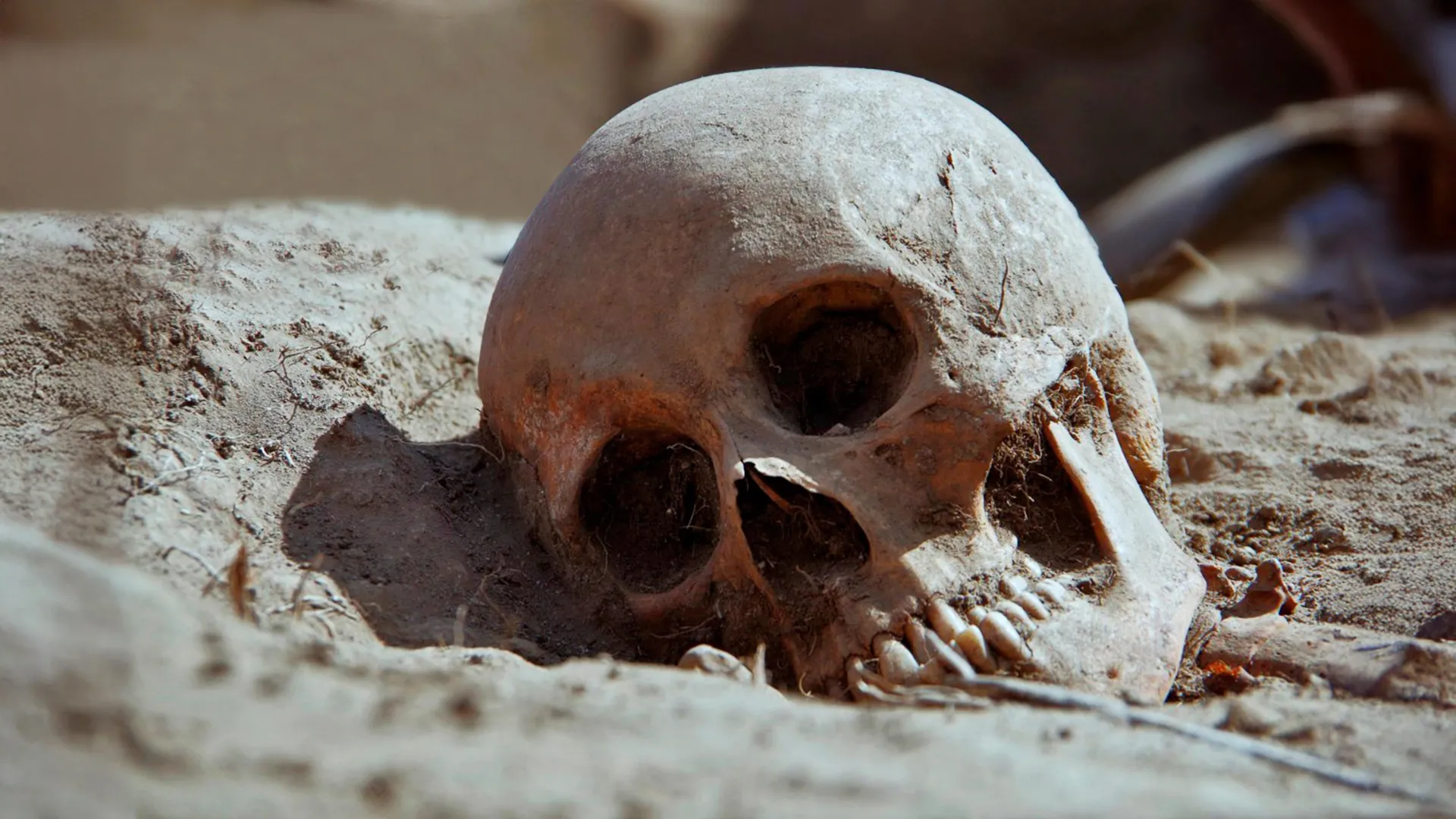
Ancient skeletons discovered in Vietnam are challenging long-held beliefs about the origins and transmission of syphilis. The 3,500-year-old remains, found in a burial site, suggest that diseases like yaws may have been transmitted from mother to child long before the emergence of syphilis as we know it today. This finding raises questions about how ancient infections have been interpreted and may complicate the ongoing debate about syphilis’s origins.
Historically, syphilis was thought to have originated in Europe in the late 15th century, likely brought back by explorers. However, the new evidence from Vietnam indicates a potential for much older roots for similar infections. Researchers have long debated the transmission methods of syphilis and its relatives, often focusing on sexual transmission. This discovery shifts the narrative, suggesting that vertical transmission—where diseases pass from mother to offspring—has been a factor for millennia, which complicates the timeline of these diseases.
The research team, led by experts in paleopathology, analyzed DNA from the skeletons. They found markers indicative of treponemal infections, a group of diseases that includes both syphilis and yaws. Their findings emphasize that the relationship between these diseases is more intricate than previously understood. The study also highlights the importance of genetic analysis in uncovering the history of human diseases, which can alter how we view public health today.
Looking ahead, this discovery could shape future research on the evolution of infectious diseases. As scientists delve deeper into ancient pathogens, they may uncover more about the social and environmental factors that contributed to disease transmission. Understanding the origins of syphilis and its relatives could inform modern treatment and prevention strategies, especially in regions where these diseases remain prevalent. This research not only redefines our understanding of ancient health but also has implications for how we address similar diseases in contemporary society.
Read Full Story at ScienceDaily →