Choose Language
Select a language for news translation.
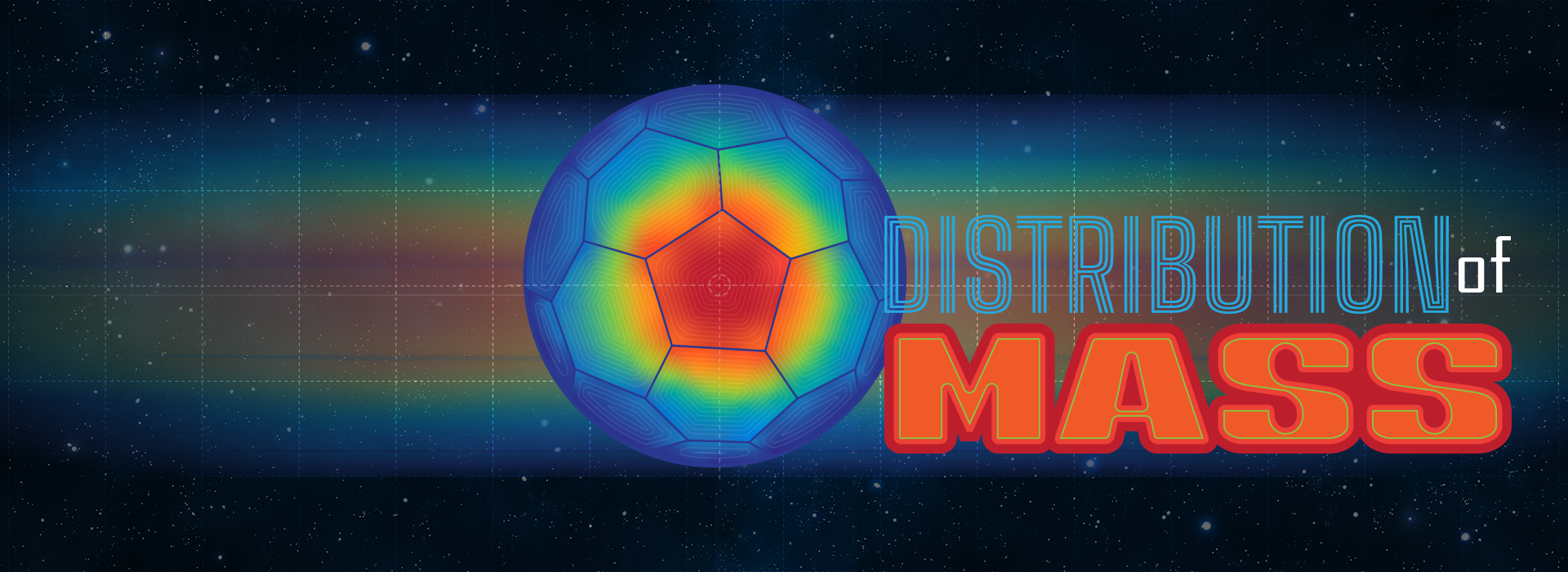
This article is for students grades 5-8. Mass distribution affects everything from galaxy shapes to aircraft design to planetary rotation. It’s used to map sta…

The TRAPPIST-1 system, located about 41 light years from Earth, has been a focal point of much exoplanetary discussion—mainly because it has seven confirmed pl…

New simulations reveal that the moons of Uranus may retain traces of giant planets.

Astronomers have investigated a puzzling binary star system in which two stars that may have formed together now show dramatically different chemical compositi…
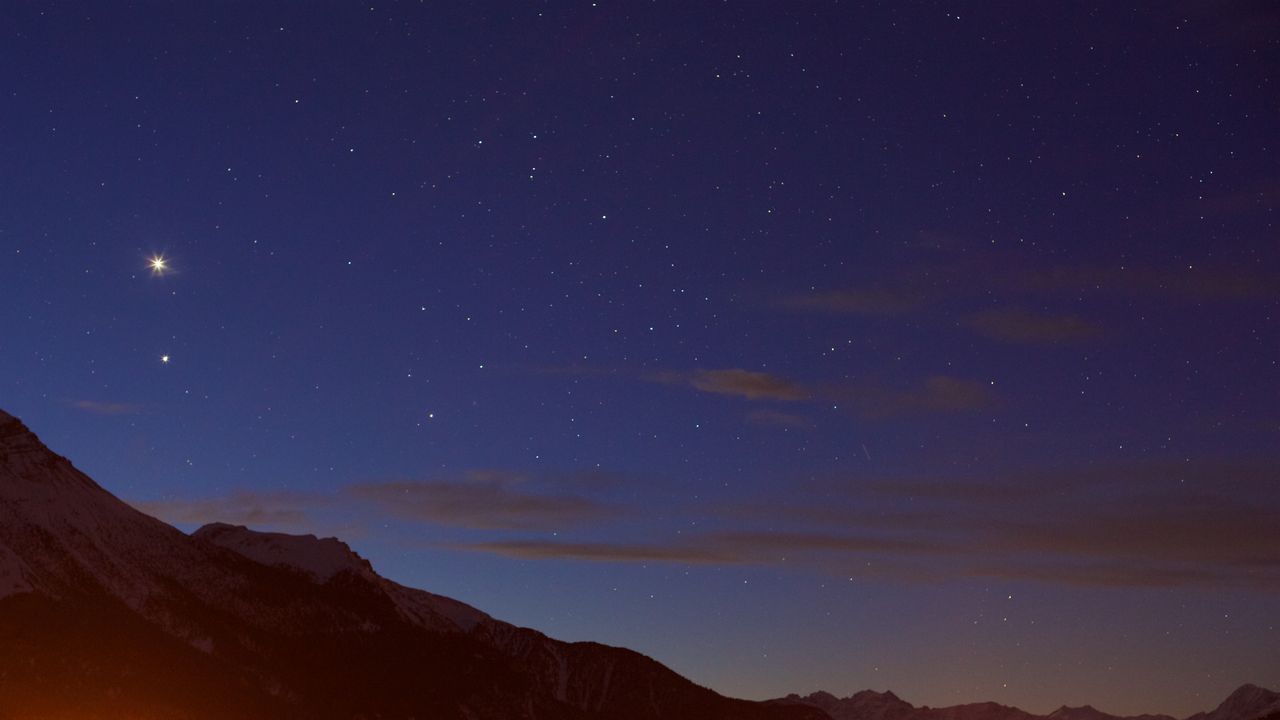
A close conjunction of the two brightest planets in the night sky will take place over several evenings, with the best time to look being June 9-11.
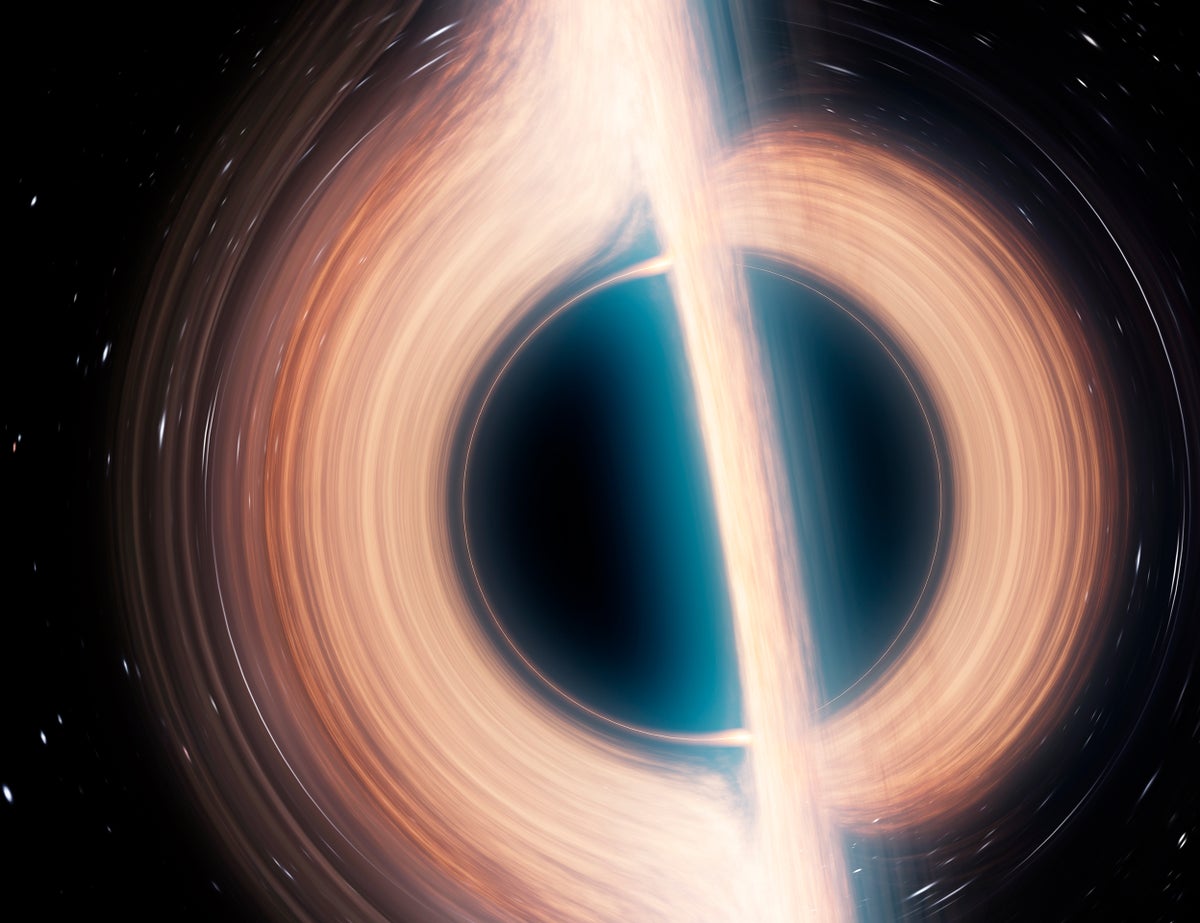
Giant black holes may be the universe’s best planet makers Planets might exist in the least likely place you’d imagine—around the outskirts of supermassive bl…
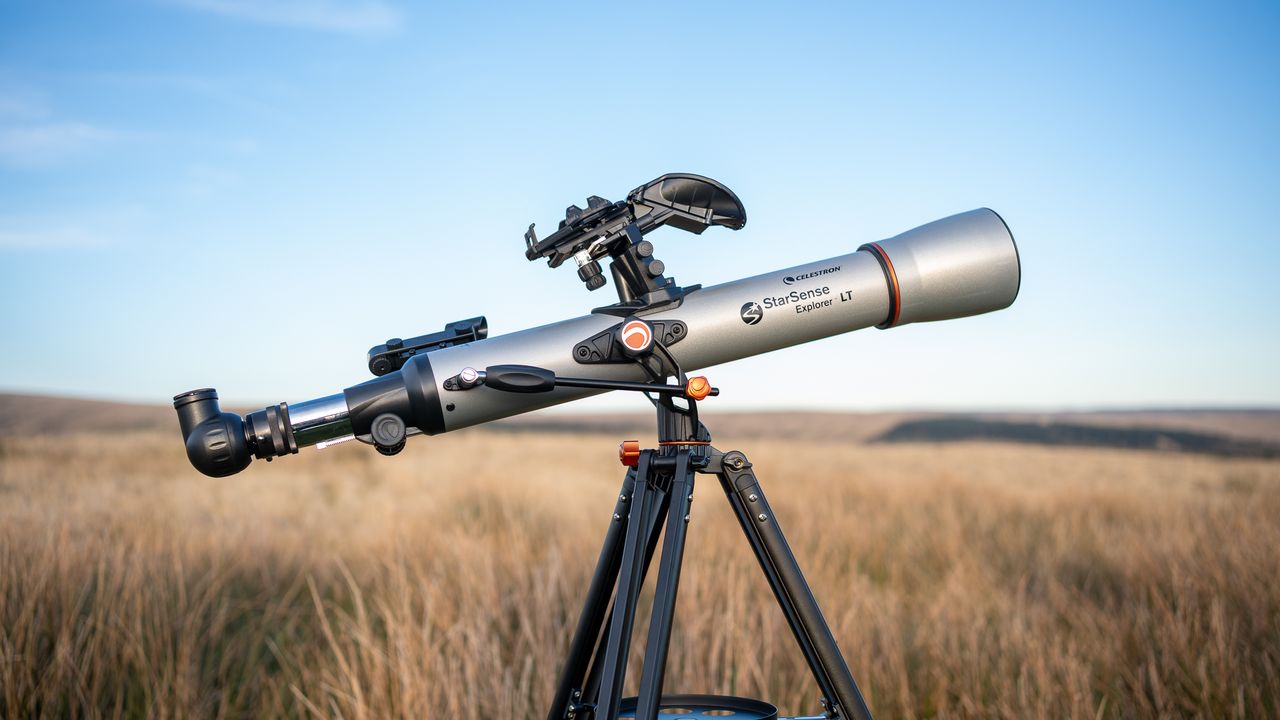
From lunar detail to planets and bright deep-sky objects, we test what the Celestron StarSense Explorer LT 70AZ can actually show beginners and kids.
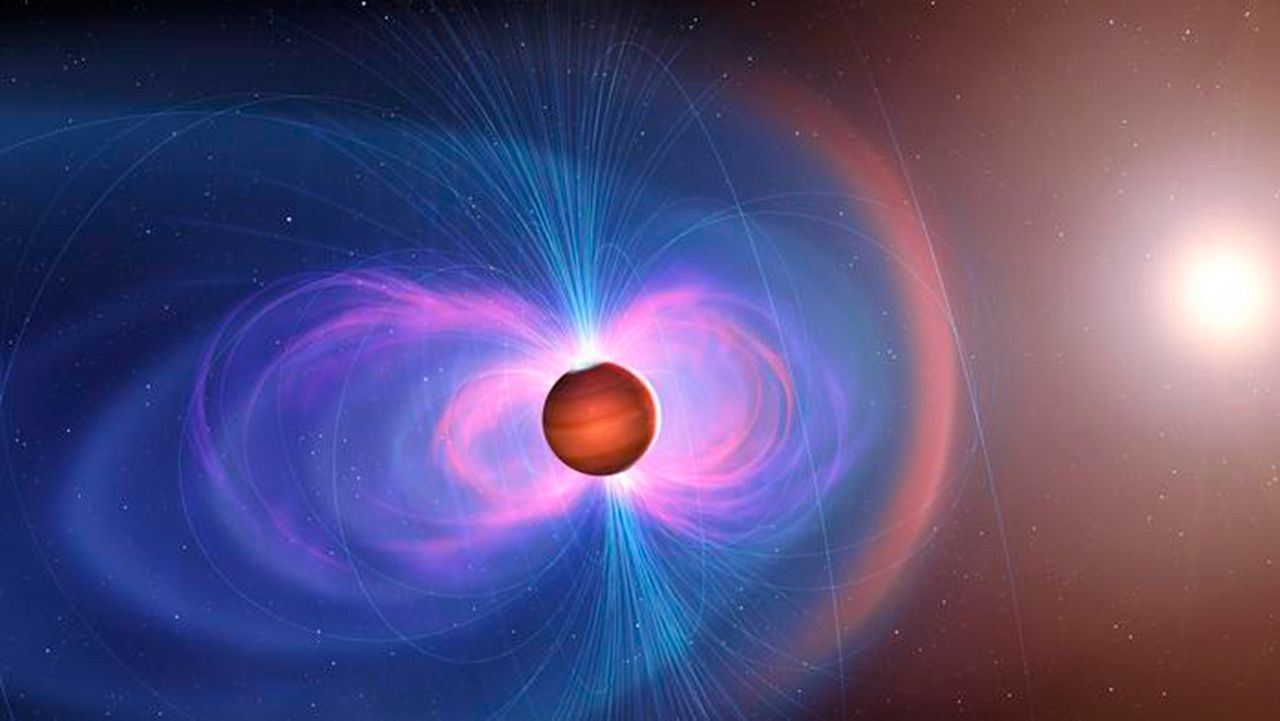
Scientists accidentally discover magnetic fields around 7 distant planets

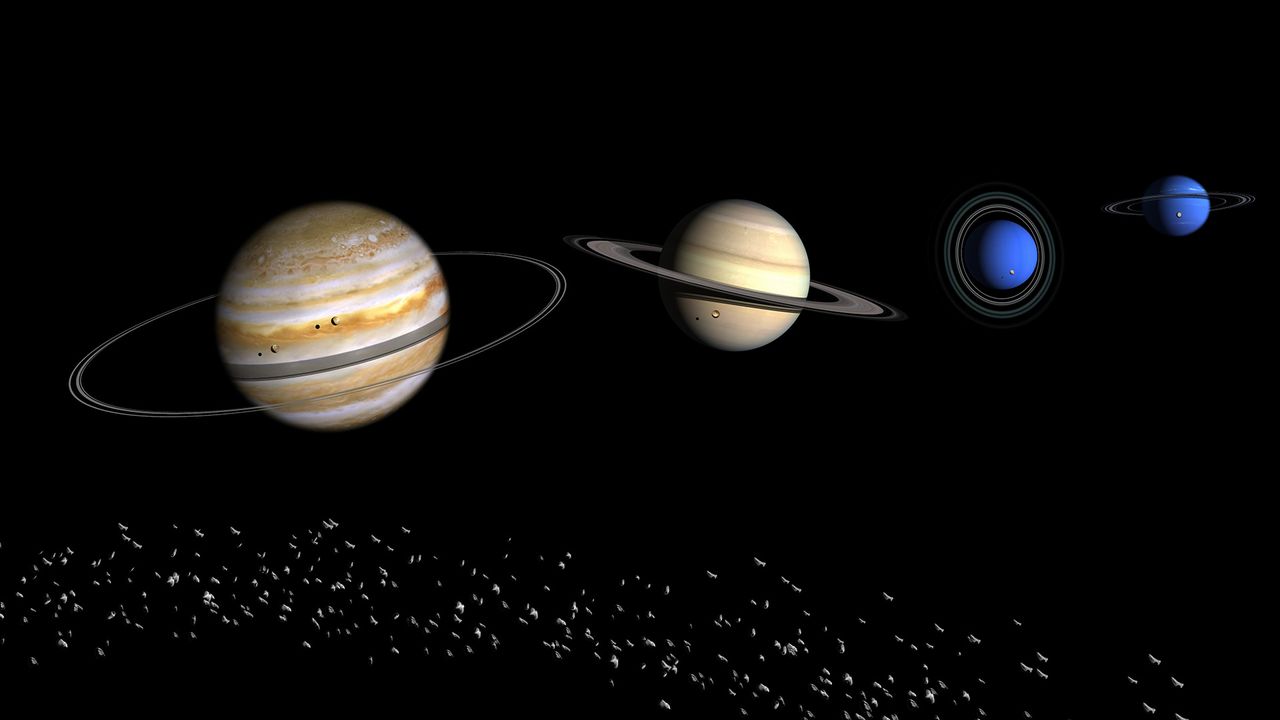
Our solar system has two ice giants, Uranus and Neptune, but there may have been a third. According to a new study published in the journal Icarus, this extra …
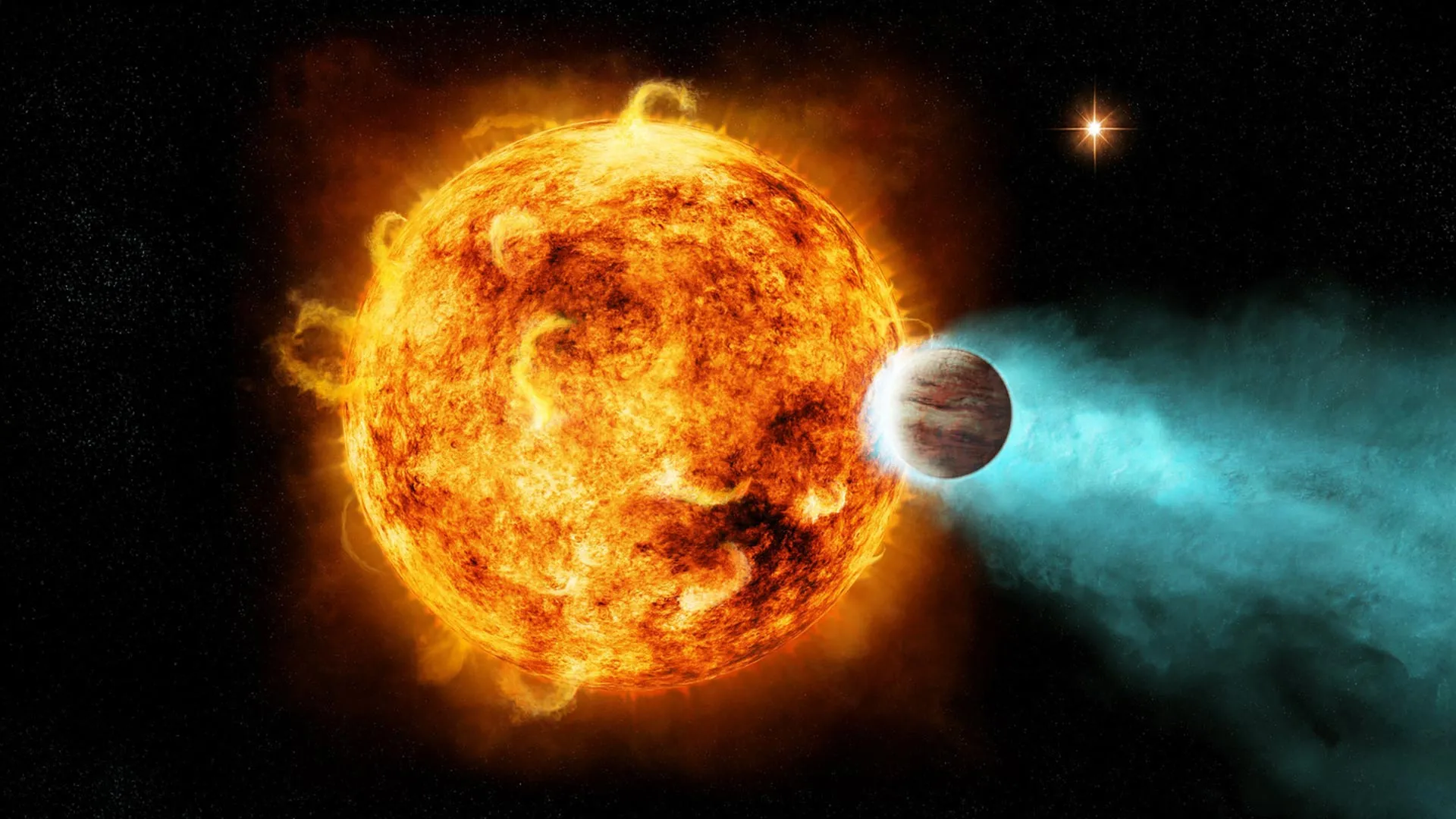
NASA’s Roman Space Telescope could revolutionize the search for alien worlds by discovering around 100,000 exoplanets—far more than all previous missions combi…
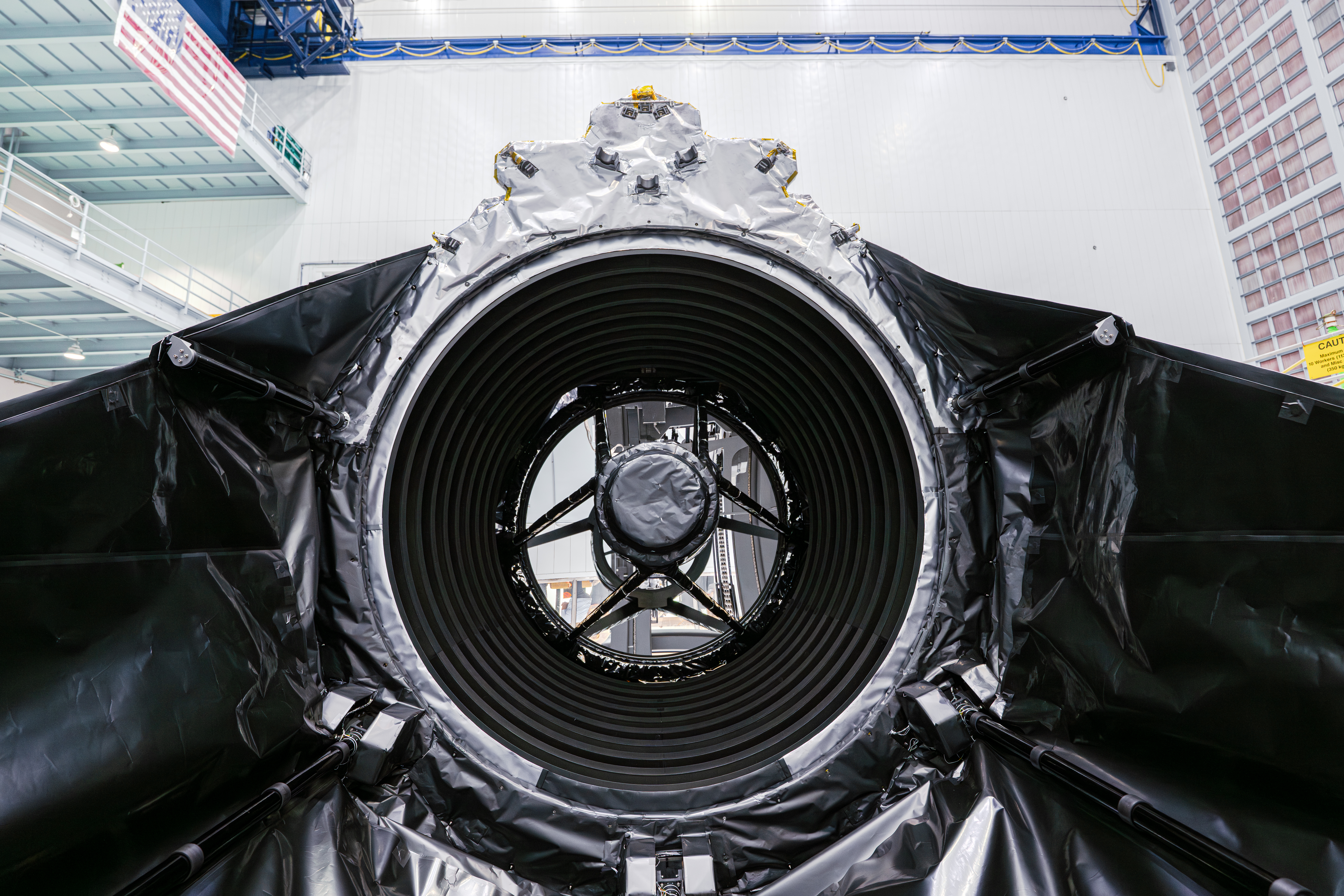
NASA engineers completed final inspection of the Nancy Grace Roman Space Telescope's 7.9-foot (2.4-meter) primary mirror, polished to one-millionth of an inch …