Scientists discover plume driving East African Rift's geological splitting
A massive plume from deep within the Earth is driving geological activity along the East African Rift, where the continent is gradually splitting apart. This discovery enhances understanding of tecto…
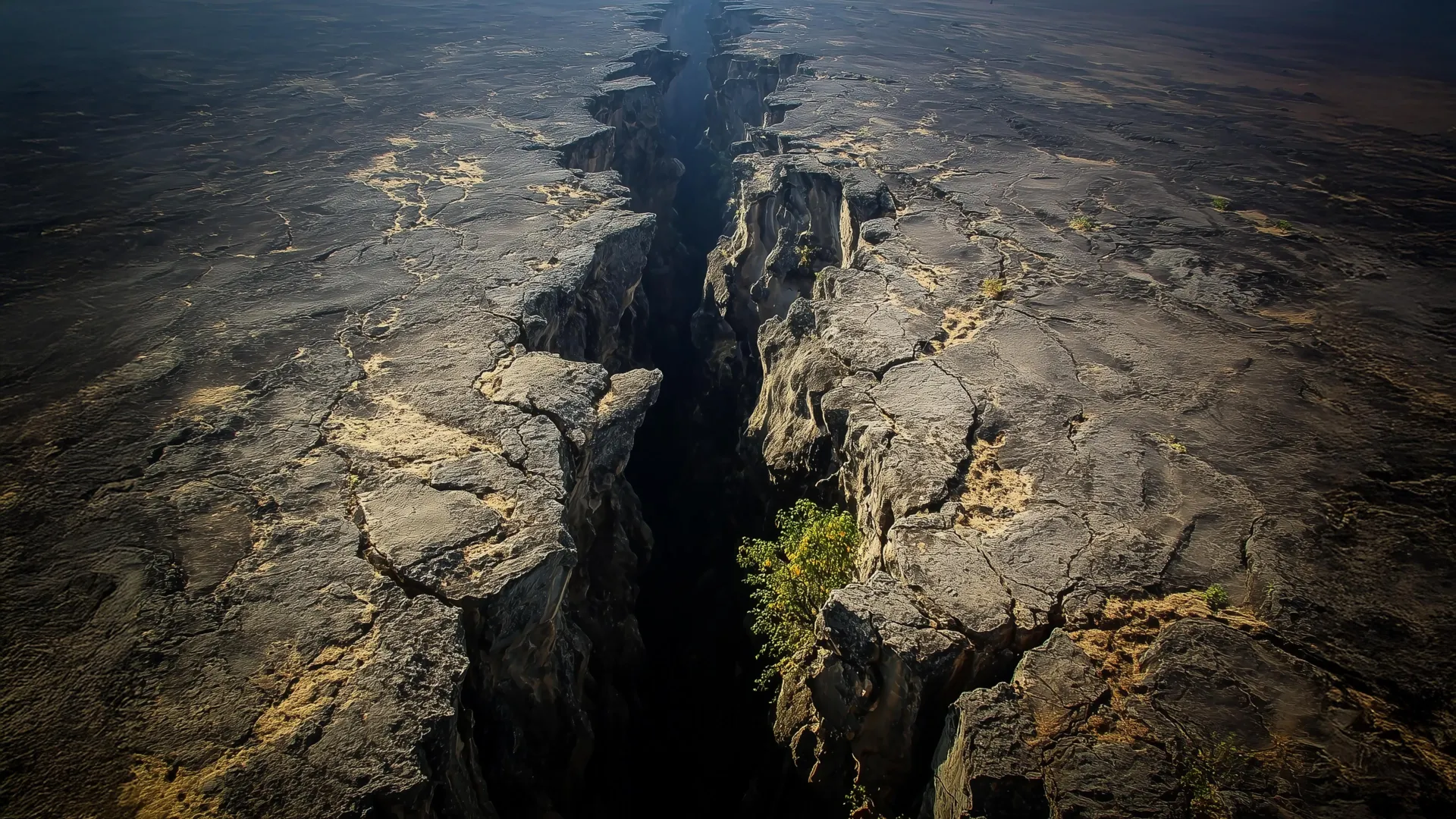
A massive plume rising from deep within the Earth is contributing to the geological activity along the East African Rift, a region where the continent is slowly splitting apart. Researchers made this discovery using advanced imaging techniques that revealed the plume’s size and its impact on the surrounding tectonic plates. This finding adds a new layer of understanding to the complex interactions that shape the Earth's surface.
The East African Rift is a significant geological feature stretching over 3,000 kilometers from the Afar Triangle in Ethiopia to Mozambique. It has long intrigued scientists due to its unique geological processes and history. Recent studies have highlighted how both deep mantle forces, like the newly identified plume, and shallower geological activities, such as volcanic eruptions and earthquakes, work together to drive the rift's expansion. The urgency of this research is underscored by the ongoing tectonic activity in the region, which poses risks to local communities and ecosystems.
The plume is estimated to extend hundreds of kilometers into the mantle, significantly influencing the geological landscape. Initial analysis suggests that the plume is not only responsible for uplifting the East African Plateau but also contributes to volcanic activity in the region, including notable volcanoes like Mount Kilimanjaro and Mount Nyiragongo. This understanding is critical as it could help predict future geological events and their potential impact on the population living in close proximity to the rift.
Moving forward, scientists aim to study the plume's behavior and its interplay with surface processes more closely. Understanding these dynamics will be vital for assessing geological hazards and could guide infrastructure development in the region. As the East African Rift continues to evolve, this research holds implications not only for geology but also for the communities and economies reliant on the land in this tectonically active area.
Read Full Story at ScienceDaily →