NASA showcases stunning Perseids meteor shower view from Perseus
NASA's Astronomy Picture of the Day for August 18, 2026, features the impressive Perseids meteor shower visible from Perseus, enhanced by minimal lunar glare. This annual event captivates skywatchers…
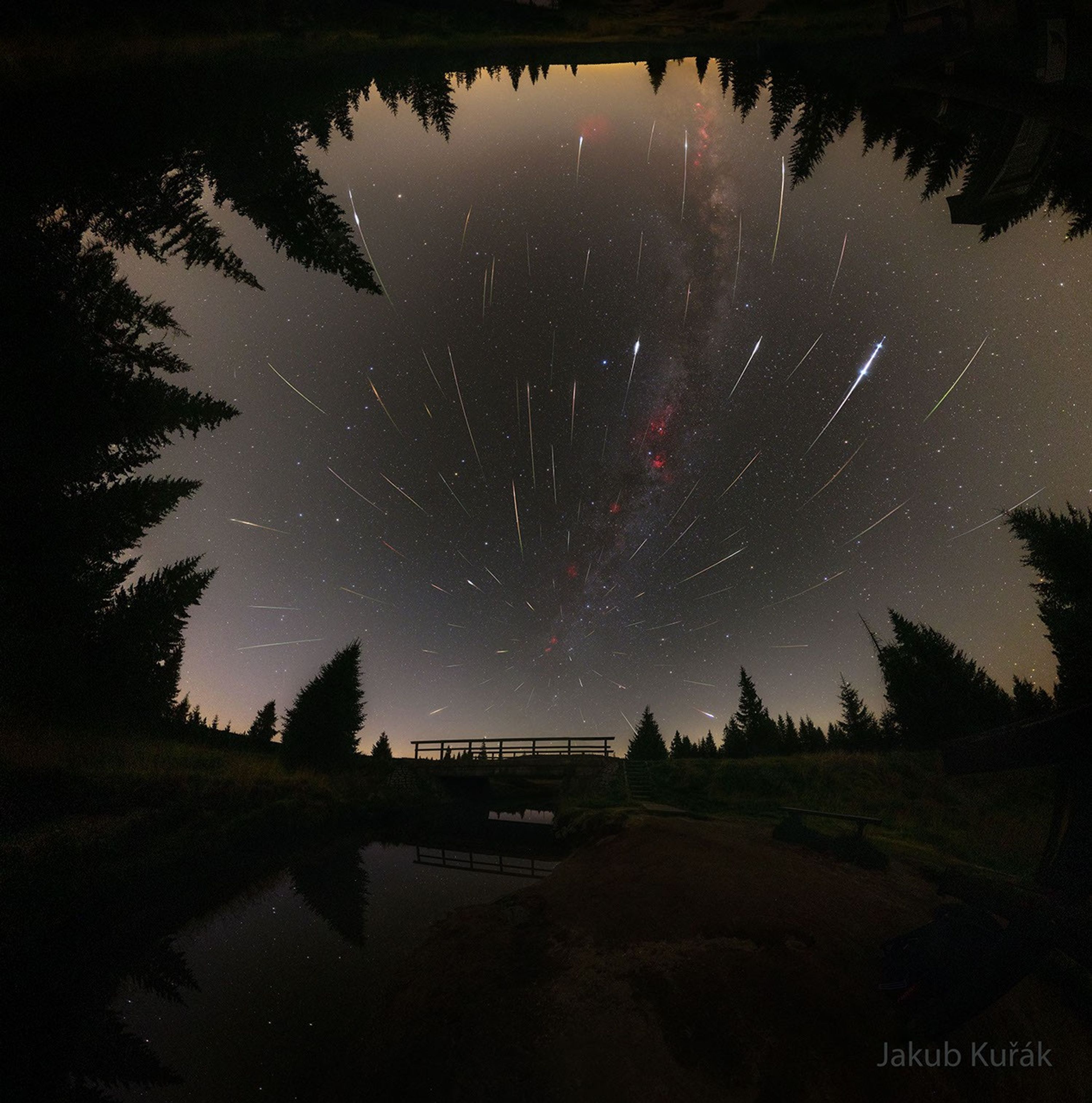
NASA has highlighted the Perseids meteor shower in its Astronomy Picture of the Day (APOD) for August 18, 2026. The striking image showcases the celestial event as seen from the constellation Perseus. This year’s display was particularly impressive, drawing the attention of skywatchers around the world.
The Perseids, one of the most popular meteor showers, occur annually in August as Earth passes through the debris left by the Swift-Tuttle comet. This year's viewing conditions were favorable because the Moon's brightness was minimal, allowing for clearer visibility of the meteors. Astronomers noted that the reduced lunar glare significantly enhanced the experience for stargazers, making it easier to spot the shooting stars.
Typically, the Perseids can produce up to 100 meteors per hour at their peak, depending on conditions. The shower is known for its bright and fast meteors, which often leave glowing trails in the night sky. This year, many observers reported seeing multiple meteors streaking across the sky in rapid succession during the peak nights of the event. Enthusiasts took to social media to share their experiences and images, further fueling interest in this annual phenomenon.
Looking forward, the Perseids will continue to attract attention for years to come. As interest in astronomy grows, events like the Perseids serve as a reminder of the vast universe we inhabit. They offer a chance for people to connect with nature and experience the wonder of the cosmos. The next major meteor shower is just around the corner, keeping the excitement for stargazing alive.
Read Full Story at NASA →