Energy Transfer Sues to Weaken Pennsylvania Clean Streams Law
Energy Transfer is suing to weaken Pennsylvania’s Clean Streams Law after a major jet fuel spill. If successful, the case could reduce oversight on pipelines and increase risks to water safety.
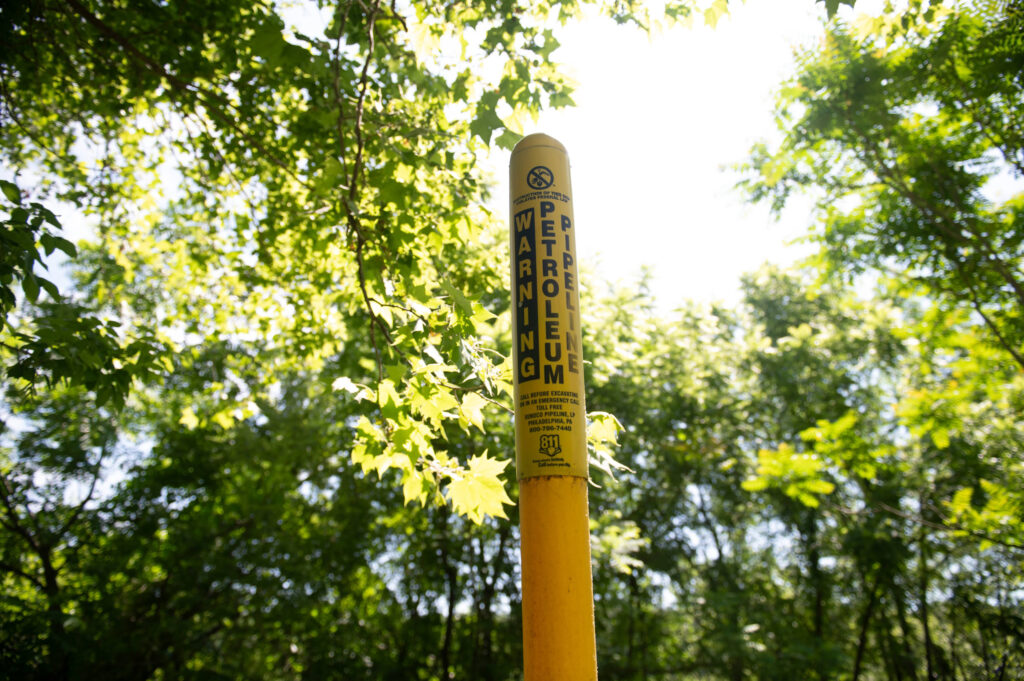
Energy Transfer, the Dallas‑based pipeline operator, filed a lawsuit in April asking Pennsylvania’s Commonwealth Court to strike down parts of the state’s Clean Streams Law after a 2023 jet‑fuel spill polluted the drinking water of a suburban Philadelphia community. The company claims the law imposes “unreasonable” restrictions on its operations and seeks to have the court declare the law or portions of it unconstitutional.
The Clean Streams Law, enacted in 1935, protects surface and groundwater from pollution by regulating discharges and setting standards for hazardous substances. Energy Transfer’s jet‑fuel spill, which released more than 10,000 gallons of fuel into a local water source, triggered a criminal investigation by the Pennsylvania Office of the Attorney General and a civil suit by the city of Upper Darby. The company argues that the spill and subsequent cleanup costs are the result of “unforeseen circumstances” and that the law’s penalties are too punitive for the industry.
Energy Transfer’s move comes amid growing scrutiny of the pipeline sector after a series of leaks and spills across the United States. The company’s lawyers cite precedents where courts have narrowed the scope of environmental statutes to protect commercial interests. If the Commonwealth Court sides with the company, it could weaken enforcement of the Clean Streams Law, potentially opening the door for more aggressive pipeline expansion without the same level of water‑safety oversight.
The next phase will see the court hearing arguments from both sides over the coming months. Environmental groups and local residents are urging the court to uphold the law, arguing that it is essential to prevent future contamination. Meanwhile, Energy Transfer is preparing to appeal if the decision goes against it, which could bring the case into higher state courts or even the U.S. Supreme Court. The outcome will have significant implications for how Pennsylvania regulates water‑polluting activities and could set a precedent for other states with similar laws.
Read Full Story at Inside Climate News →