Gary, Indiana residents lose power for 13 days after severe storms
Residents in Gary, Indiana, have been without power for 13 days due to severe storms and tornadoes, affecting around 3,000 homes. This situation emphasizes the need for improved infrastructure and em…
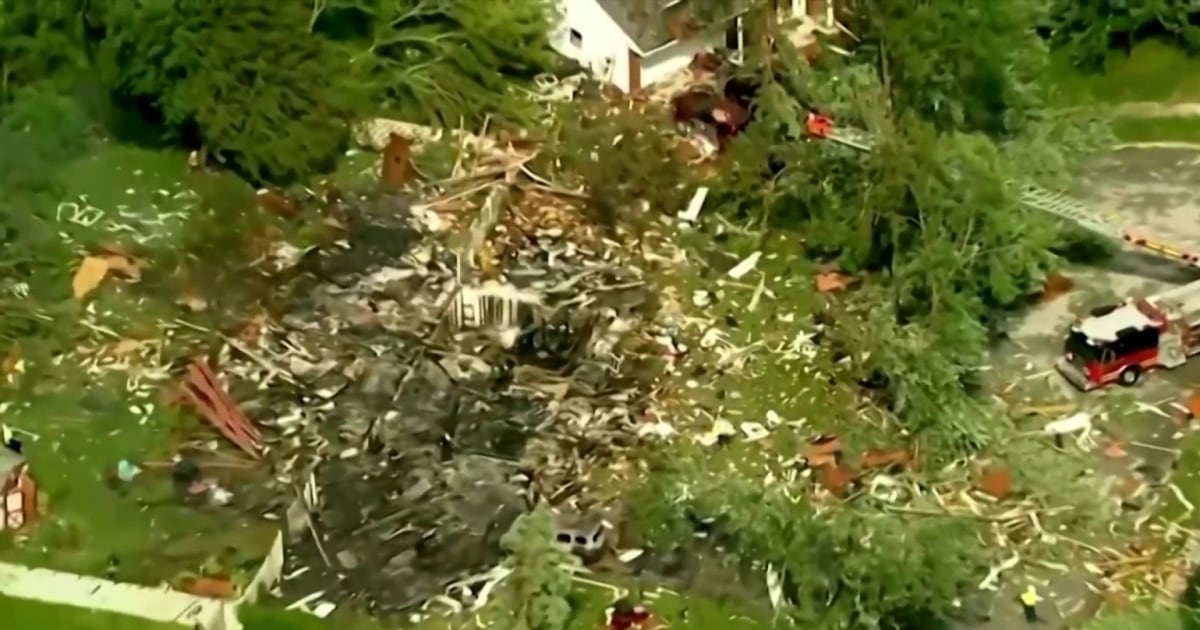
Residents in Gary, Indiana, have been without power for 13 days following severe storms and tornadoes that struck the area on August 11. The storms caused significant damage to infrastructure, leaving thousands without electricity in the sweltering heat of August. Local officials and utility companies have been working around the clock to restore power, but challenges remain as many homes and businesses were heavily damaged.
This power outage is particularly concerning as it highlights the vulnerability of communities to extreme weather events. The storms that hit Gary were part of a broader pattern of severe weather experienced across the Midwest this summer. Climate change has been linked to an increase in the frequency and intensity of such storms, prompting discussions about the need for improved infrastructure and emergency preparedness. Residents are frustrated, not only by the prolonged outage but also by the difficulties in accessing basic necessities like food and water.
As of now, local authorities report that about 3,000 homes are still without power. Utility crews are working diligently to restore service, but reports of downed lines and damaged substations have complicated their efforts. Community organizations are stepping in to provide aid, setting up cooling centers and distributing supplies to those in need. The local government has also been coordinating with state resources to expedite repairs and support affected residents.
Looking ahead, the situation underscores the importance of disaster preparedness and infrastructure resilience. As climate-related events become more common, Gary and similar communities may need to reconsider their emergency response strategies. Residents will likely continue to advocate for better utility services and infrastructure investment to prevent such extended outages in the future. The recovery from this disaster will take time, but it may also serve as a catalyst for long-term changes in policy and planning.
Read Full Story at NBC News →