Typhoons Koinu and Lidia, Storm Kilo Form in Pacific Simultaneously
Three tropical cyclones—Typhoons Koinu and Lidia, and Tropical Storm Kilo—are simultaneously forming in the Pacific, with Koinu threatening Taiwan and Lidia approaching Mexico. This unusual activity …
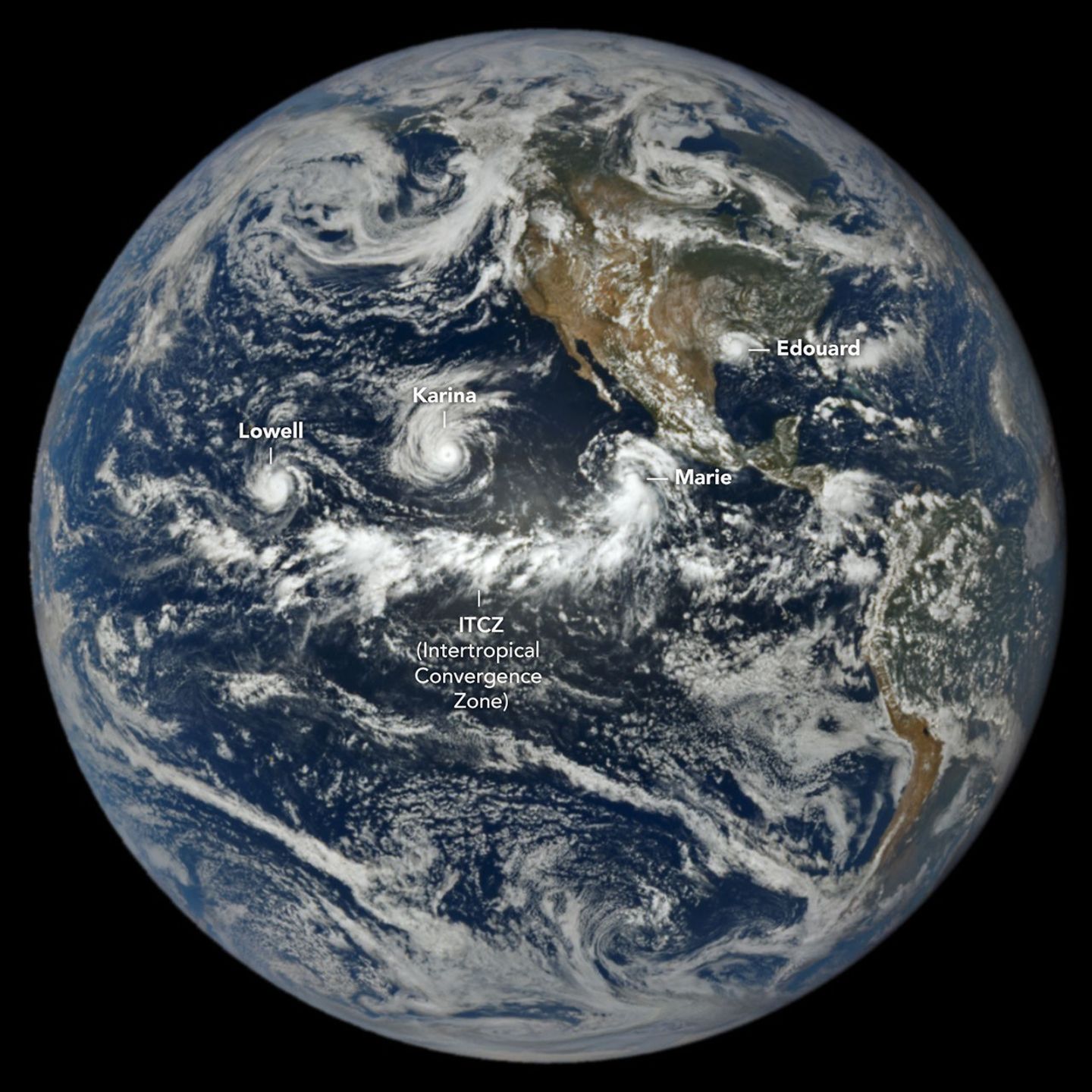
The Pacific Ocean is currently experiencing a rare event, with three tropical cyclones forming simultaneously. This meteorological occurrence includes Typhoon Koinu, Typhoon Lidia, and Tropical Storm Kilo, all of which are churning in various parts of the region as of mid-October 2023.
This surge in activity comes as the Atlantic remains unusually calm, a stark contrast that highlights the dynamic nature of tropical storm patterns. Ocean temperatures in the Pacific have been higher than average, providing the fuel needed for storm development, while the Atlantic’s cooler waters may be inhibiting cyclogenesis. The Pacific region typically sees more tropical storms during this time of year, but the simultaneous presence of three major systems is notable and reflects the current atmospheric conditions.
Typhoon Koinu is the strongest of the trio, with winds reaching 130 mph as it approaches Taiwan, prompting the island to prepare for potential landfall. Typhoon Lidia is also packing a punch as it moves towards the Mexican coast, threatening heavy rains and strong winds. Meanwhile, Tropical Storm Kilo is less intense but still poses risks to smaller islands in its path. The National Oceanic and Atmospheric Administration (NOAA) has issued warnings and advisories in affected areas, urging residents to stay alert.
The presence of these storms raises concerns about their impact on local economies, infrastructure, and public safety. As climate change continues to influence weather patterns, the frequency and intensity of such storms may increase, making preparedness crucial. The next few days will be critical as these systems develop further, and monitoring efforts will be essential to mitigate potential damage and protect communities in the path of these storms.
Read Full Story at NASA →