Researchers develop AI that detects bladder cancer signs five years early
Researchers have created an AI tool that detects hidden signs of bladder cancer up to five years before diagnosis, identifying 85% of cases in a study of nearly 70,000 patients. This advancement coul…
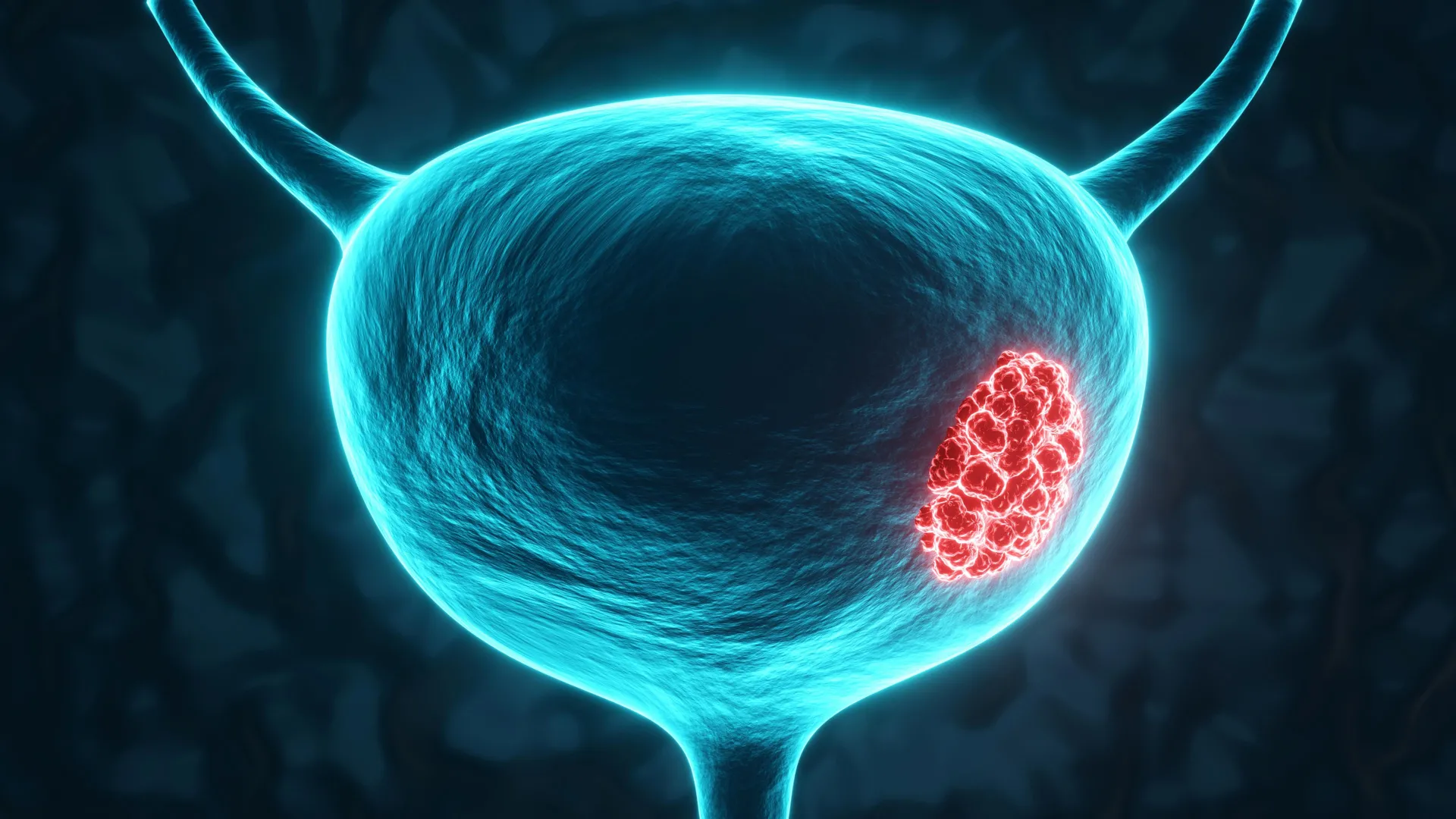
Scientists have developed an artificial intelligence tool that can uncover hidden warning signs of bladder cancer up to five years before a formal diagnosis. The tool identified 85% of cases in a major study involving nearly 70,000 patients, showcasing its potential to revolutionize early detection methods in oncology.
Bladder cancer is the sixth most common cancer in the United States, with more than 80,000 new cases diagnosed each year. Conventional screening methods often fail to detect the disease in its early stages, leading to more advanced diagnoses and invasive treatments. The urgency for better detection methods has grown as the healthcare community faces rising cancer rates and an aging population. This AI tool comes at a crucial time when healthcare systems are exploring innovative technologies to improve patient outcomes and reduce costs associated with late-stage cancer treatments.
The AI technology works by analyzing medical imaging and test data to detect subtle patterns that human doctors might miss. In the study, researchers trained the algorithm on vast datasets, allowing it to learn and identify risk factors associated with bladder cancer. The promising results indicate that earlier detection could lead to less invasive procedures and treatments, improving the quality of life for patients. Experts are optimistic about the implications of this technology, which could extend beyond bladder cancer to other cancers as well.
Looking ahead, researchers plan to refine the AI tool and conduct further studies to validate its effectiveness in diverse populations. If successful, this technology could be integrated into routine screenings, offering a proactive approach to cancer detection. Early intervention is critical in improving survival rates, and advancements like this could change how healthcare providers manage bladder cancer and potentially save lives.
Read Full Story at ScienceDaily →