COP31 pledges decline 70%, dropping from $100 billion to $30 billion
At COP31 in Baku, climate-finance pledges dropped by over 70%, plummeting from $100 billion to $30 billion, leaving developing nations without essential funding to combat climate change. This signifi…
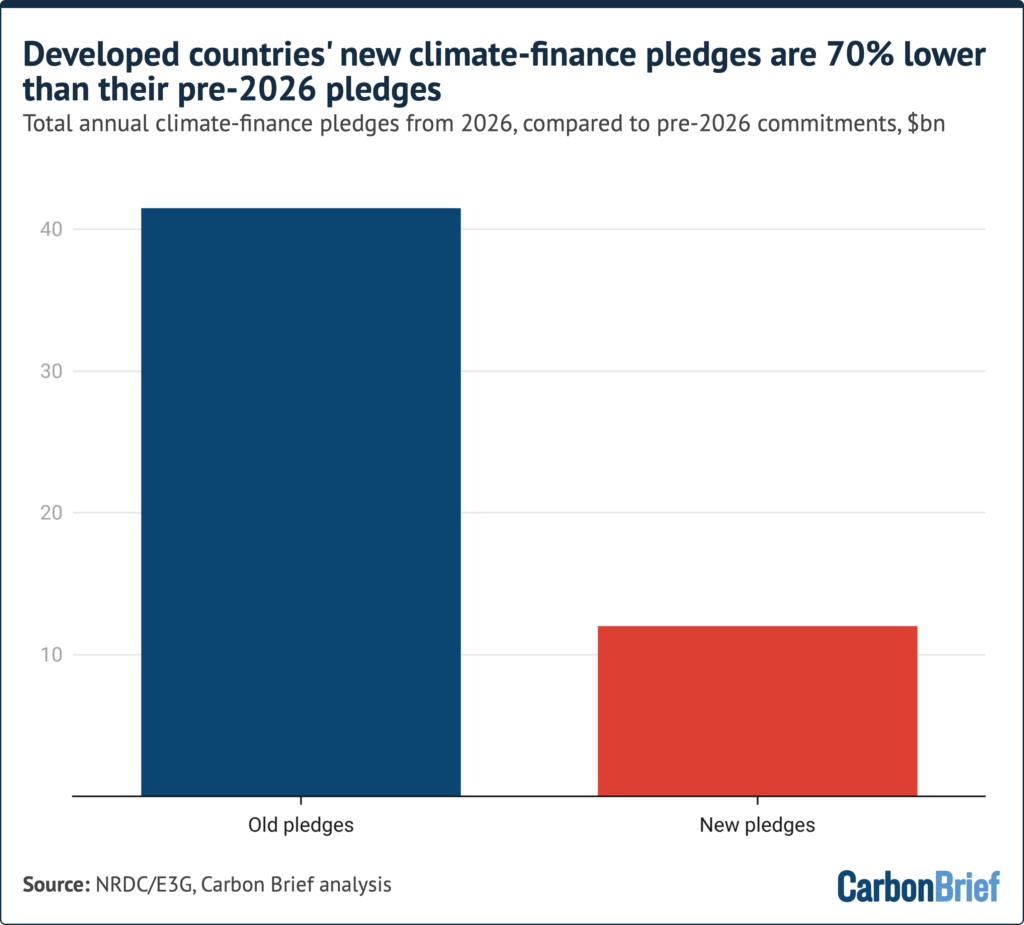
At COP31 in Baku, the world’s climate‑finance pledges dropped by more than 70%. The International Climate Alliance reported that public funding commitments for developing countries fell from about $100 billion last year to just $30 billion in the latest round. The shortfall means that the $100 billion a year that the Paris Agreement said would be needed to help poorer nations adapt and reduce emissions is now far from being met.
The shortfall matters because climate change is already hitting the world’s most vulnerable economies. Rising sea levels, droughts, and extreme weather are forcing countries in Africa, South Asia and the Pacific to spend billions on disaster relief and infrastructure. Without reliable funding, these nations risk falling deeper into debt or losing the ability to invest in clean technology. The Paris Agreement set a target of $100 billion a year, but the current pledges cover only about a third of that need.
Why the drop? Several factors converged. Global economic uncertainty and high inflation have tightened national budgets, making governments less willing to commit new funds. Many donor countries also face domestic political pressure to cut spending on foreign aid. In addition, the 2023 debt crisis in several developing economies has made lenders wary of extending new loans. The climate‑finance track at COP31 also suffered from a lack of a clear, enforceable mechanism to turn pledges into payments, which made many governments hesitant to sign on.
What happens next? The UN Secretary‑General called for a “Climate Finance Reset” at the next UN Climate Conference, urging richer nations to step up commitments and to create a binding framework that translates pledges into actual transfers. Several NGOs have drafted proposals for a climate‑finance trust fund that would be funded by a small levy on global carbon emissions. The next major meeting of finance ministers will decide whether these ideas move forward. If richer countries fail to act, developing nations will have to rely on private investment and innovative financing, which could be slower and less predictable than the public aid that was promised.
Read Full Story at Carbon Brief →