COP31 in Turkey attracts record 92,000 delegates for climate discussions
Over 92,000 individuals have registered for COP31 in Antalya, Turkey, setting a new record for attendance at a climate summit and reflecting heightened global engagement in climate policy. The confer…
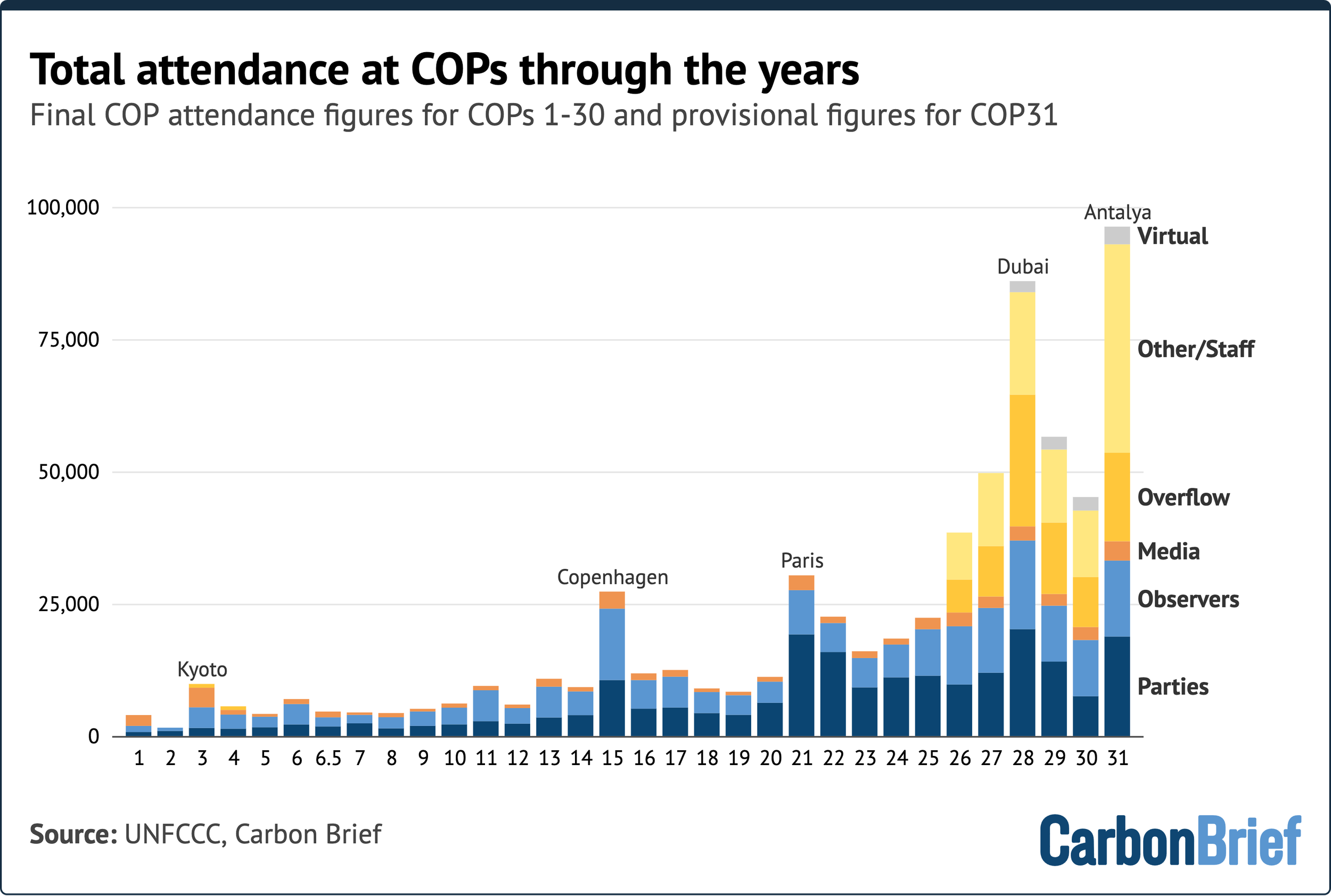
More than 92,000 individuals have registered to attend the upcoming United Nations Climate Change Conference, known as COP31, scheduled to take place in Antalya, Turkey. This massive turnout is poised to set a new historical record for attendance at a major climate summit, surpassing previous high-water marks set in cities like Dubai and Glasgow. The sheer scale of the gathering highlights the growing intensity of global engagement with climate policy, as governments, corporations, and civil society groups converge to negotiate the next steps in the fight against rising temperatures. The registration numbers suggest that interest in the outcomes of these talks is not diminishing, but rather accelerating, even as the urgency of the scientific consensus intensifies.
The location of the summit in Turkey carries significant geopolitical weight, as the country serves as a pivotal bridge between the Global North and the Global South. Turkey’s presidency of the conference places it in charge of facilitating dialogue among nations with vastly different economic realities and historical responsibilities for carbon emissions. This context is crucial because the conference will likely focus on operationalizing the financial commitments made by wealthy nations to support developing countries in their transition to renewable energy and adaptation to climate impacts. The influx of delegates reflects a broader trend where climate diplomacy has moved from the periphery of international relations to its center, influencing trade agreements, energy security strategies, and foreign aid distribution.
Key figures from the European Union, the United States, China, and major African and Latin American blocs are expected to play central roles in shaping the final text. The primary objective of COP31 is to drive forward the "Global Stocktake," a mechanism designed to assess collective progress toward the goals of the Paris Agreement. Negotiators will face the difficult task of reconciling immediate political pressures with long-term environmental necessities. For instance, the debate over fossil fuel phase-downs is expected to remain contentious, with industrial nations pushing for accelerated timelines while major producers like Saudi Arabia and Russia advocate for a more gradual approach that protects their economic interests. The presence of over 90,000 registered attendees means that every corridor and side event will be a battleground for influence, lobbying, and public messaging.
The outcome of these negotiations will have tangible effects on global markets and regulatory frameworks in the years to come. Success at COP31 would likely involve securing new pledges for loss and damage funds, which help vulnerable nations cope with the physical consequences of climate change, such as floods and droughts. It would also require progress on technology transfer, ensuring that clean energy innovations developed in the West are accessible to the rest of the world. Failure to reach a consensus could deepen the divide between nations, potentially leading to fragmented regional climate policies rather than a unified global strategy. As the summit approaches, the focus shifts from the spectacle of the crowd to the substance of the deals, where the true measure of global cooperation will be tested.
Read Full Story at Carbon Brief →