As US midterm elections loom, Trump's campaign tactics are becoming increasingly unusual, and expensive
It's neither a joke nor fake news but a real report from earlier this week: Donald Trump has backed down. On Monday, the US president announced that a series of advertisements aired in September prom…
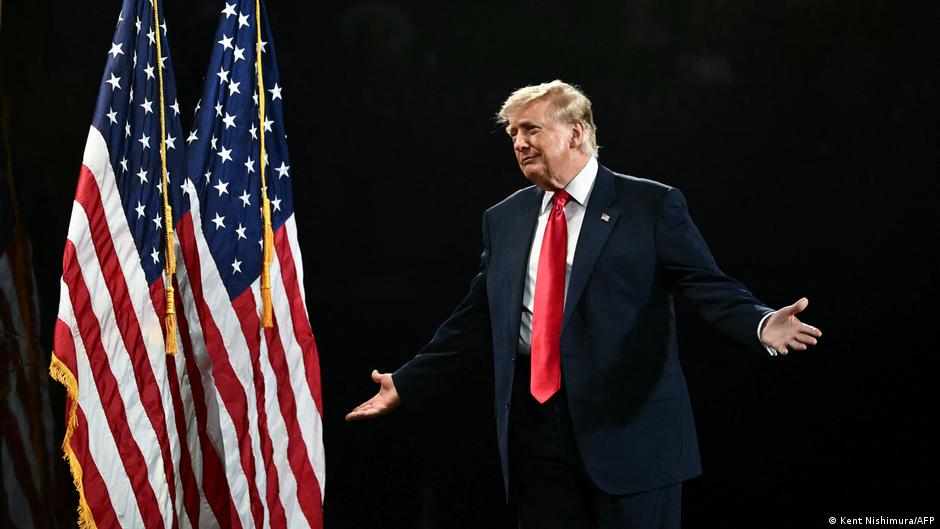
It's neither a joke nor fake news but a real report from earlier this week: Donald Trump has backed down. On Monday, the US president announced that a series of advertisements aired in September promoting him and his administration would no longer be funded with taxpayer money .
"The radical Left is upset with the fact that I am taking ads, which I consider to be a positive promotion for our great USA, and paying for them with USA money," Trump wrote on his platform Truth Social.
He went on to claim that funding partisan ads with public money was a "rather standard thing to do," before adding that future ads would be paid with money raised from donations.
The ads themselves have caused some controversy in the United States . They ran in September between popular shows such as Saturday Night Live and football games, marked with the line: "paid for by the US government" — that is, paid with tax dollars.
The commercials showed scenes such as when US troops captured Venezuelan President Nicolas Maduro earlier this year but they mostly consisted of images and videos of Trump himself, along with combative messages that he would "expel the warmongers" or "throw off the sick political class," and ensure that the US did not become a communist state.
To view this video please enable JavaScript, and consider upgrading to a web browser that supports HTML5 video
Political opponents and a series of NGOs responded to the campaign with sharp criticism. Not only does US law prohibit the use of taypayer funds for political advertisements, but the ads also appeared shortly before the midterms — elections held near the midpoint of a president's four-year term.
On Tuesday, the US broadcasting network CBS reported that, according to contracting records, the US Department of Homeland Security had paid an agency $20 million (€17.9 million) for a "national media campaign."
Read Full Story at DW World →