Scientists discover bats' unique immune system protects against viruses
Scientists have found that over 500 species of vesper bats possess a unique immune system with two distinct sets of antibody genes, allowing them to carry viruses without getting sick. This discovery…
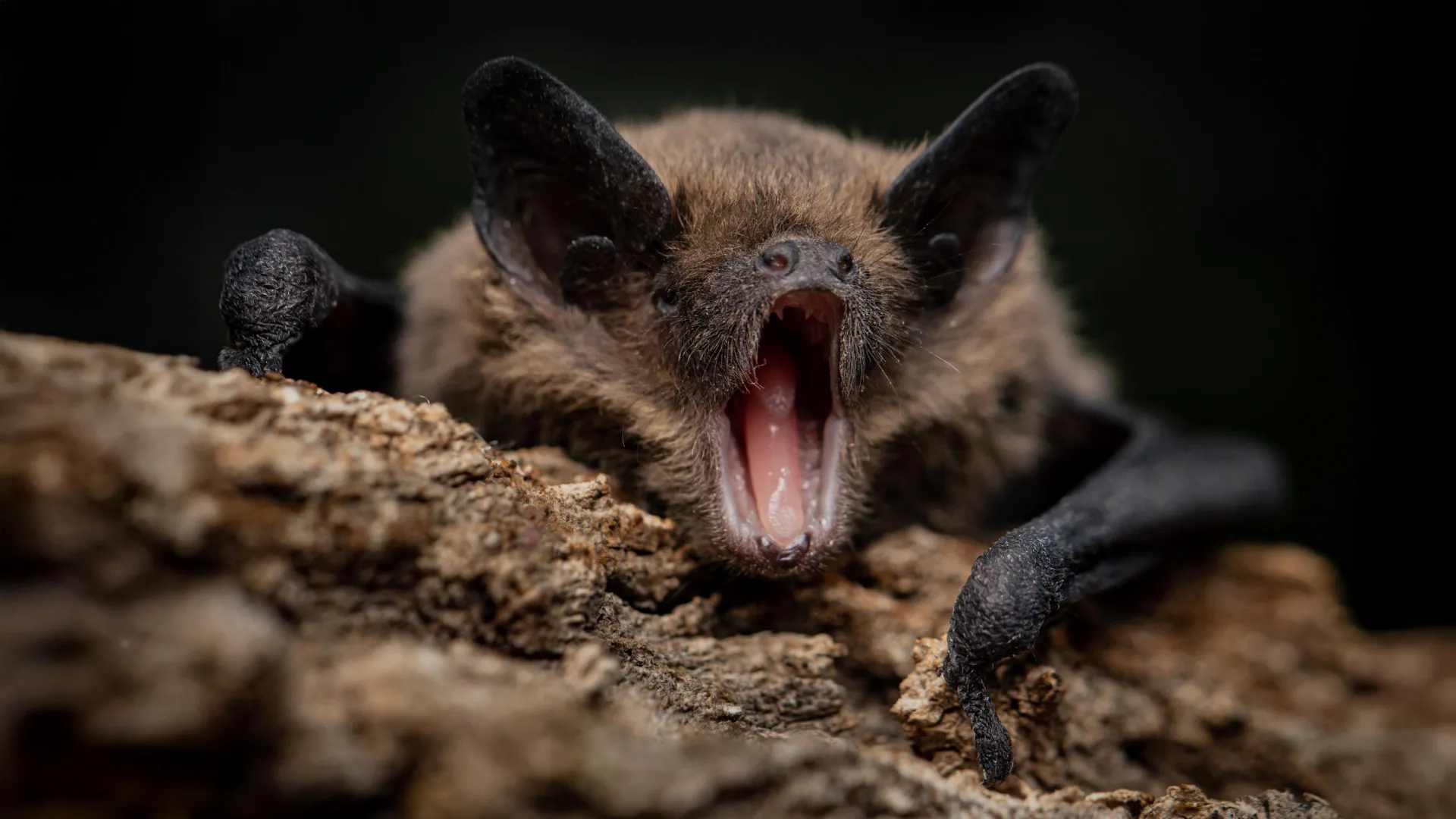
Scientists have discovered that over 500 species of vesper bats possess two distinct sets of antibody genes, a unique immune system not previously identified in mammals. This finding could shed light on how bats endure a wide variety of viruses without suffering severe illness. The research was published recently in a leading scientific journal and represents a significant advancement in understanding bat immunity.
Bats are known carriers of numerous viruses, including coronaviruses and rabies, and are often implicated in the transmission of zoonotic diseases to humans. This study is particularly timely given the ongoing global health concerns surrounding viral outbreaks linked to wildlife. The ability of bats to harbor these pathogens without apparent harm has long puzzled scientists. Understanding their immune system could provide critical insights into viral evolution and potential strategies for disease prevention in humans.
The researchers examined the genomes of several bat species and found an unexpected dual antibody gene arrangement. This genetic configuration allows bats to produce a wider array of antibodies, enhancing their ability to fight off infections. The discovery raises important questions about the evolutionary advantages this immunity may confer, as well as how it relates to the bats' ecological role in their environments.
Moving forward, this research may inform public health strategies and wildlife conservation efforts. By understanding how bats tolerate viruses, scientists may develop new ways to bolster human immune responses or create vaccines. Additionally, this knowledge could help mitigate the risk of future pandemics by improving our understanding of how viruses jump from wildlife to humans. The implications of this study extend beyond bats, potentially reshaping how we view the relationship between wildlife and infectious disease.
Read Full Story at ScienceDaily →