How to see the 2026 ‘blood moon’ eclipse this week
You need to see the ‘blood moon’ lunar eclipse this week This near-total eclipse will be visible from the Americas, Africa and Europe—here’s how to see it By Jackie Flynn Mogensen edited by Claire …
This near-total eclipse will be visible from the Americas, Africa and Europe—here’s how to see it
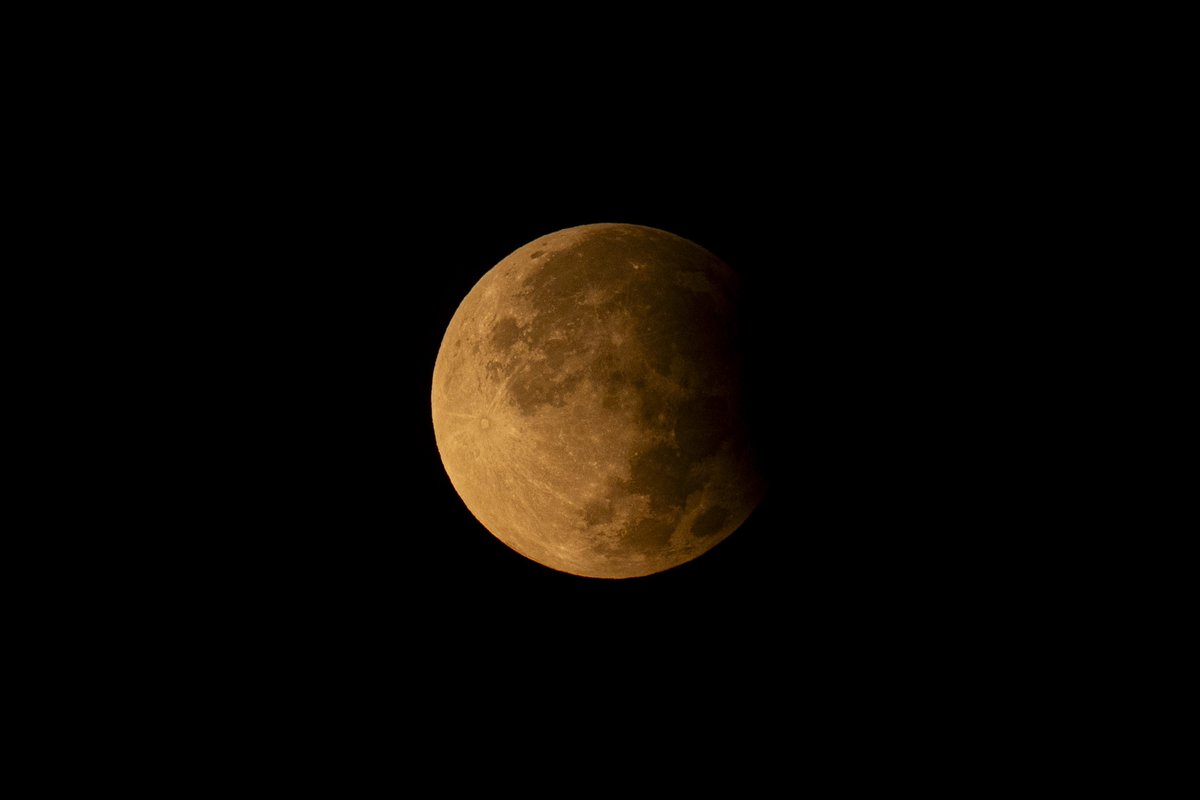
Sky-gazers who were disappointed not to catch the total solar eclipse this month have a consolation prize. This week people in the Americas, Africa and Europe can expect to see a near-total lunar eclipse in which Earth’s umbra —the shadow cast when the sun is blocked by our planet—will cover 96.3 percent of the moon.
The display will kick off at around 9:23 P.M. EDT on Thursday. But the show will truly begin at around 10:34 P.M. EDT that night. At that point, the moon will start to slip into Earth’s dark umbral shadow.
The moment of greatest eclipse will occur at around 12:13 A.M. EDT on August 28 (which happens to be Scientific American ’s 181st birthday). Then our natural satellite is expected to become an “almost blood moon,” turning a reddish hue. The spectacle will be at least somewhat visible from any place in the U.S. except for certain areas of Alaska, according to NASA.
If you're enjoying this article, consider supporting our award-winning journalism by subscribing . By purchasing a subscription you are helping to ensure the future of impactful stories about the discoveries and ideas shaping our world today.
A lunar eclipse occurs when Earth passes directly between the sun and the moon. Because of how light bends and filters around our planet , blue light is scattered away, while red light reaches the moon, hence the “blood moon” monicker.
To see the eclipse, go outside to a safe, dark space at around 10:34 P.M. EDT on Thursday, when the moon will begin to cut into Earth’s umbra. Your eyes will need around 30 minutes to become accustomed to the dark.
This week’s lunar eclipse follows a total lunar eclipse in March and will be the second and last lunar eclipse of the year. But if you miss it, more celestial events are coming in 2027.
Read Full Story at Scientific American →