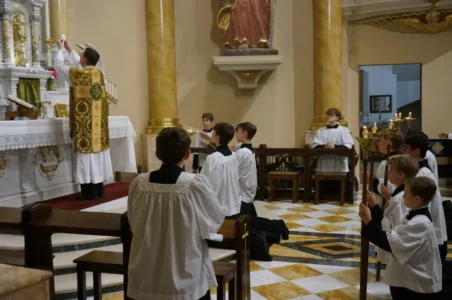
Bishop Robert Innes condemns UK assisted suicide bill as unnecessary
A senior British bishop has condemned the proposed assisted dying legislation as morally wrong and unnecessary, emphasizing that the UK already has a comprehensive palliative care system. This critic…
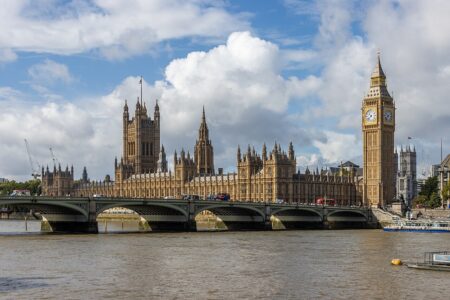
A senior British bishop has publicly condemned the proposed assisted dying legislation currently facing a vote in Parliament, labeling the bill as both morally wrong and fundamentally unnecessary. This latest intervention adds significant weight to the growing opposition from the Church of England, signaling that religious leaders are intensifying their efforts to influence lawmakers before a final decision is reached. The criticism comes at a pivotal moment in the legislative process, where every voice carries potential sway over the conscience of undecided MPs. By framing the issue as one of societal harm rather than just theological disagreement, the bishop aims to broaden the appeal of the opposition beyond traditional religious circles to include those concerned with social welfare and patient safety.
The debate over assisted suicide has dominated British political discourse for months, driven by high-profile campaigns from patient advocacy groups and changing public attitudes toward end-of-life care. Supporters argue that the current laws deny terminally ill individuals the dignity of choosing how and when to die, causing them unnecessary suffering in their final days. However, religious leaders and disability rights advocates counter that legalizing assisted dying creates a slippery slope where vulnerable people may feel pressured to end their lives to avoid being a burden on families or the state. The bishop’s specific argument that the bill is unnecessary stems from the belief that the UK already possesses one of the world’s most comprehensive palliative care systems. Critics assert that with proper funding and access to pain management, the desire for assisted suicide is often a symptom of untreated suffering or inadequate support, rather than a rational choice made in a vacuum. This perspective challenges the core premise of the bill, suggesting that the solution lies in improving healthcare infrastructure rather than changing the law on euthanasia.
The timing of this statement is strategic, arriving just as Parliament prepares for its final readings and potential amendments. Previous attempts to introduce similar legislation have failed, but the current bill has gained surprising traction, supported by a significant number of cross-party MPs who see it as a matter of personal freedom and compassion. The Church of England’s General Synod has already expressed deep reservations, and this bishop’s vocal opposition reflects a broader ecclesiastical strategy to educate MPs on the potential long-term consequences of such a law. Data from other jurisdictions, such as Canada and Oregon, shows mixed results regarding patient protection and the prevalence of assisted deaths, fueling the debate. The bishop’s use of the word unnecessary is particularly pointed, as it implies that the government is rushing to solve a problem that does not exist if healthcare resources were allocated correctly. This argument seeks to shift the burden of proof back onto the bill’s sponsors, forcing them to justify why palliative care is insufficient for those who seek assisted dying.
As the vote approaches, the political stakes are rising, with both sides mobilizing their supporters to lobby key decision-makers. The outcome will likely hinge on whether MPs prioritize individual autonomy or the protection of vulnerable groups. If the bill passes, it will mark a historic shift in British law and society, potentially leading to similar debates in other common law countries. If it fails, proponents vow to continue their campaign, arguing that the issue will not go away. The bishop’s intervention serves as a reminder that this is not merely a legal technicality but a profound ethical question about the value of life and the role of the state in death. The coming weeks will test the resilience of the current opposition and the determination of the reformers, with the final vote set to define the UK’s stance on end-of-life choices for years to come. The pressure is now on Parliament to reconcile these deeply held but conflicting values in a way that respects both the dignity of the dying and the safety of the vulnerable.
Read Full Story at Crux Now →