James O'Hanlon's book claims Eurasian jays can lie, challenging animal intelligence views.
Biologist James O'Hanlon's book suggests that animals, like the Eurasian jay, may possess the ability to lie, indicating a deeper level of consciousness and social awareness than previously recognize…
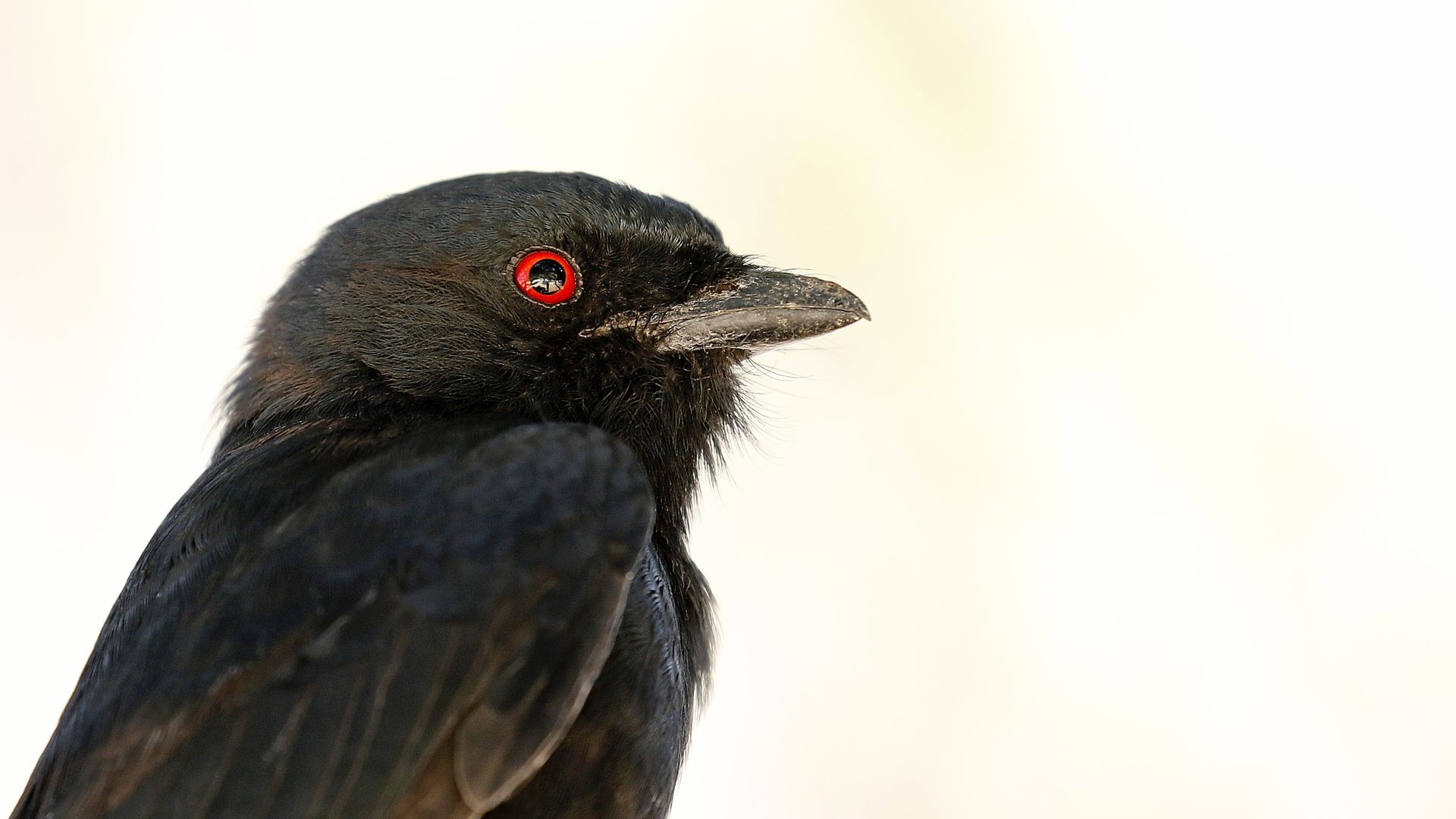
Biologist James O'Hanlon has sparked conversations about animal deception with his new book, "Liars, Cheats and Copycats," which explores whether some animals can actually lie. O'Hanlon focuses on the behaviors of various species, highlighting instances where animals seem to mislead others for their own benefit. This inquiry into animal behavior raises questions about the complexities of communication in the animal kingdom.
The question of whether animals can lie is significant because it challenges traditional views of intelligence and social structures in non-human species. For years, researchers have debated the cognitive abilities of animals, often attributing human-like qualities to only a select few, such as primates or dolphins. However, O'Hanlon's research suggests that deception may be more widespread, occurring in species like birds, particularly the Eurasian jay. This bird has been observed hiding food from other jays, indicating an understanding of others' perceptions and intentions.
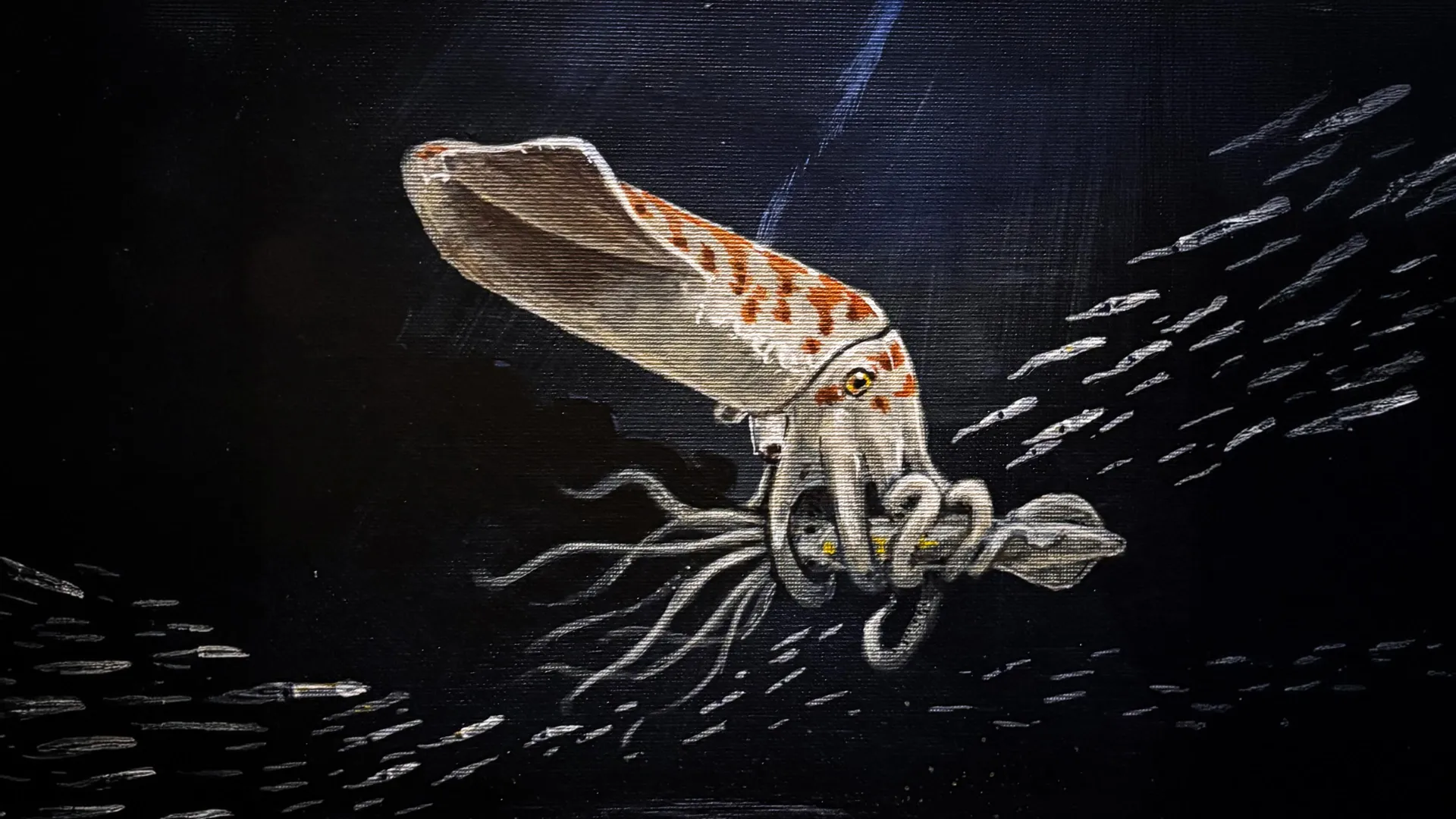
O'Hanlon's work builds on previous studies that document various forms of deception in animals, from the mimicry of certain insects to the strategic hunting techniques of wolves. These behaviors can enhance survival and reproductive success, reflecting an evolutionary advantage. By providing evidence of deception in animals, O'Hanlon invites us to reconsider the moral and ethical implications of how we view non-human intelligence.
As research continues, the implications of O'Hanlon's findings could reshape our understanding of animal behavior. If animals can indeed lie, it suggests a level of consciousness and social awareness previously thought to be unique to humans. This could lead to further studies on animal cognition and how it influences interactions within and between species. Understanding these dynamics may also affect how we approach conservation efforts and animal welfare, emphasizing the need for a deeper appreciation of the lives of non-human creatures.
Read Full Story at Live Science →