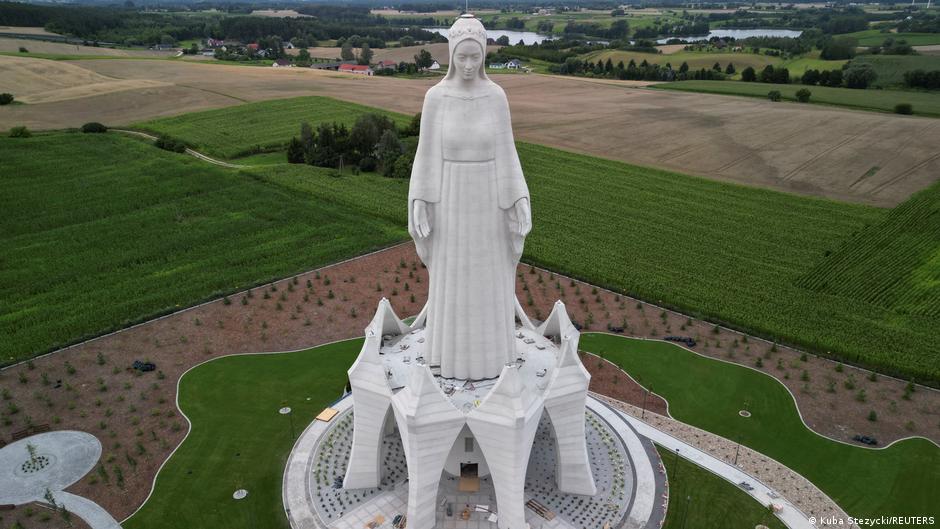
Christian nationalists promote pluralism while framing Christians as persecuted
Christian nationalists in the U.S. profess support for religious pluralism while promoting a narrative of Christian persecution that helps mobilize politically engaged voters. This contradiction enab…
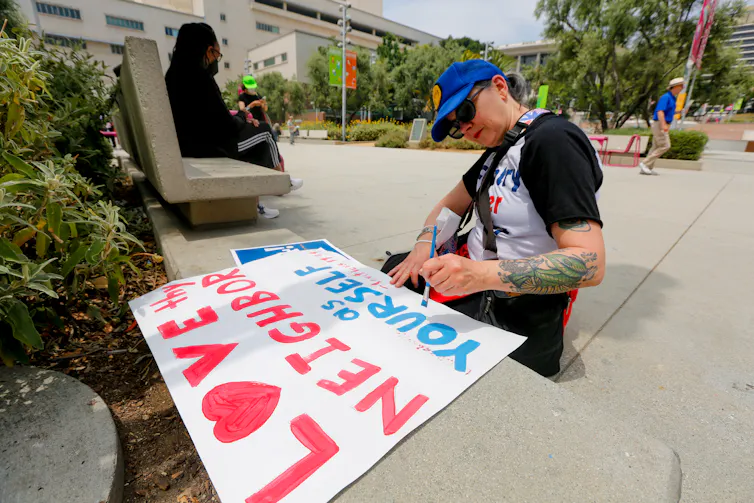
Christian nationalists in the United States often claim to support religious pluralism while simultaneously cultivating a pervasive narrative that Christianity faces an existential threat from secular forces and minority religious groups. This contradiction is not accidental but serves as a core mechanism for maintaining political cohesion and mobilizing voters who feel culturally displaced. Recent analysis by political scientists highlights how this dynamic allows leaders to preach tolerance in public forums while privately reinforcing boundaries that exclude those who do not fit their specific vision of a Christian America. The result is a political movement that thrives on the tension between stated ideals of inclusion and the lived reality of perceived persecution, creating a powerful engine for electoral engagement that remains resilient despite criticism from mainstream religious denominations and civil rights advocates.
This phenomenon has gained significant traction in recent years as demographic shifts and cultural changes have altered the social landscape of the country. As the share of white Evangelicals declines and younger generations become less religiously affiliated, Christian nationalist leaders have increasingly framed these trends as evidence of a deliberate plot to erase Christian influence from public life. They point to legal challenges involving prayer in schools, debates over LGBTQ+ rights, and the growing visibility of Muslim and Jewish communities as proof that Christian values are under siege. This framing resonates deeply with believers who interpret secular progress as moral decay, allowing political actors to transform cultural anxiety into political capital. The endorsement of religious pluralism by some within this movement is often superficial, serving more as a rhetorical shield against accusations of bigotry than as a genuine commitment to equal treatment for all faiths.
The persistence of these beliefs is further explained by the way Christian nationalists define the boundaries of their community. By emphasizing a shared identity rooted in religious tradition and national heritage, they create a sense of belonging that appeals to those who feel marginalized by contemporary culture. Political scientists note that this strategy is particularly effective in rural and suburban areas where traditional social structures are perceived to be weakening. The movement’s leaders often cite historical precedents and biblical mandates to justify their stance, arguing that protecting Christian interests is necessary for the preservation of democracy itself. This narrative is reinforced through media ecosystems that amplify stories of religious discrimination, real or imagined, while downplaying instances where Christian nationalists have opposed the rights of other religious groups. Consequently, the professed support for pluralism is frequently drowned out by louder, more emotive messages about threat and survival.
Looking ahead, the influence of Christian nationalism is likely to remain a defining feature of American politics, particularly as upcoming elections bring these cultural tensions to the forefront. The movement’s ability to adapt its messaging while maintaining its core appeal suggests that it will continue to shape policy debates on education, family law, and religious freedom. As demographic trends continue to shift, the pressure on Christian nationalist leaders to reconcile their rhetoric of inclusion with their exclusionary practices may intensify. However, the emotional resonance of their narrative ensures that they will retain a dedicated base of supporters who view their struggle as a defense of foundational American values. Understanding this dynamic is crucial for anyone seeking to grasp the deeper currents driving political polarization and the ongoing battle over the nation’s cultural identity.
Read Full Story at Religion News Service →