NASA reveals vibrant image of Tarantula Nebula using multiple telescopes
NASA unveiled a new image of the Tarantula Nebula, combining data from multiple telescopes to showcase its vibrant structures and colors. This nebula is crucial for studying star formation and galaxy…
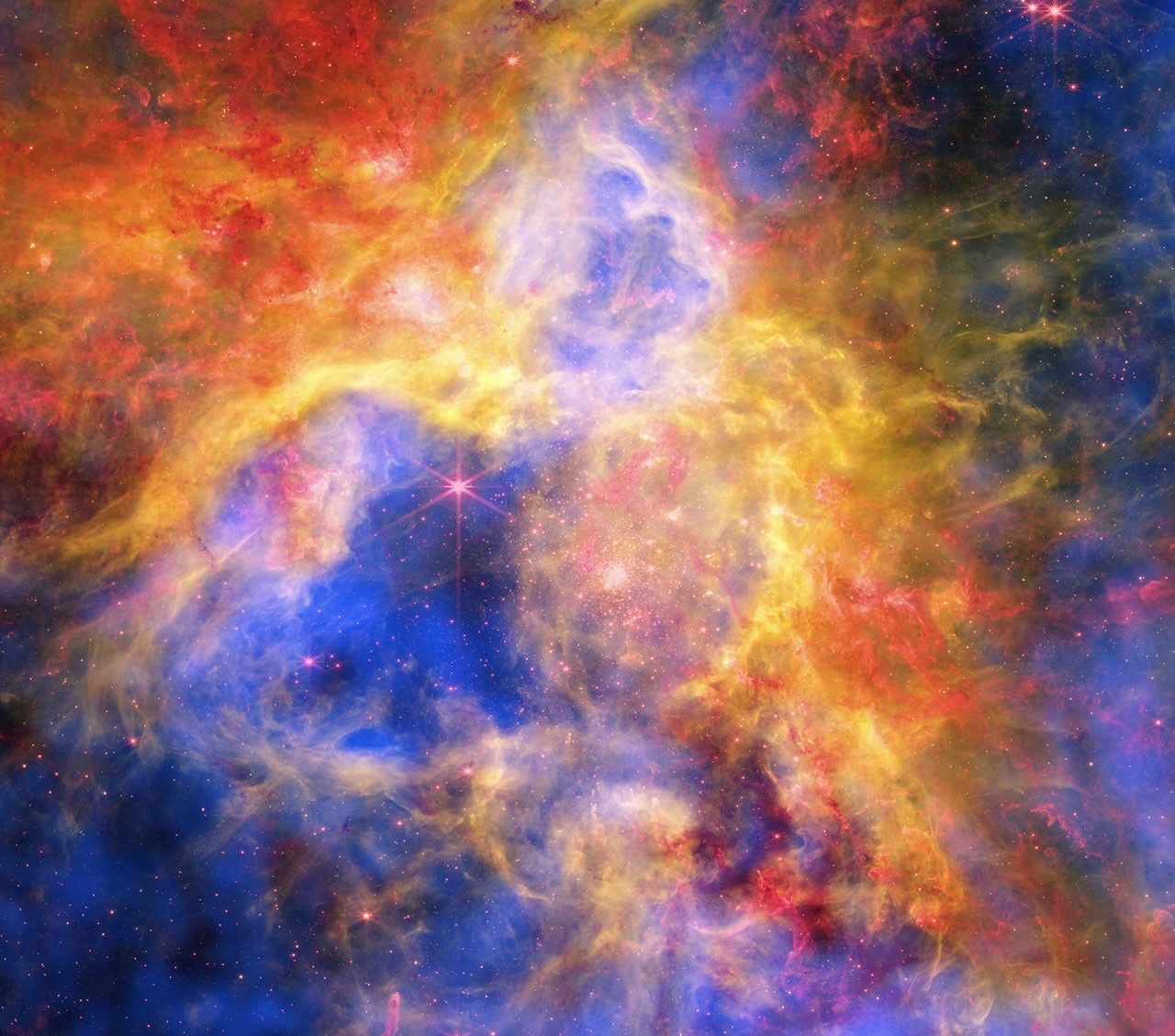
NASA has released a stunning new image of the Tarantula Nebula, combining data from its Chandra X-ray Observatory, James Webb Space Telescope, and Hubble Space Telescope. This vibrant view showcases the nebula's intricate structures and vivid colors, capturing the attention of astronomers and the public alike. The image was unveiled on August 11, 2026, and represents a collaborative effort to better understand this remarkable stellar nursery located about 160,000 light-years from Earth in the Large Magellanic Cloud.
The significance of this release lies in the Tarantula Nebula's status as one of the most active regions of star formation known to scientists. By studying it, researchers hope to gain insights into the processes that lead to star formation and the evolution of galaxies. The nebula is home to some of the most massive stars in the universe, and understanding their lifecycle could shed light on the chemical enrichment of the cosmos. This effort aligns with NASA’s broader goals of enhancing our knowledge of the universe and our place within it.
The new image reflects data from multiple wavelengths of light, highlighting different aspects of the nebula's structure. X-rays from Chandra reveal high-energy processes occurring in the region, while infrared observations from Webb show dense clouds of gas and dust. Hubble’s optical data provides detailed views of the star clusters and their surroundings. Together, these observations create a comprehensive picture of an area where new stars are born, and they emphasize the collaborative power of modern astronomy.
Looking ahead, scientists will continue to analyze the data from the Tarantula Nebula to unlock more secrets of star formation. This research is critical for understanding not just our galaxy, but also the broader universe. As technology advances and more telescopes are launched, the potential for new discoveries in cosmic evolution and the formation of celestial bodies remains vast. The Tarantula Nebula serves as a compelling reminder of how much we have yet to learn about the universe's wonders.
Read Full Story at NASA →