Study reveals feces fueled evolution of complex animals during Cambrian explosion
A study published in "Nature" suggests that feces played a crucial role in the evolution of complex animals during the Cambrian explosion by enriching ancient ecosystems with nutrients. This finding …
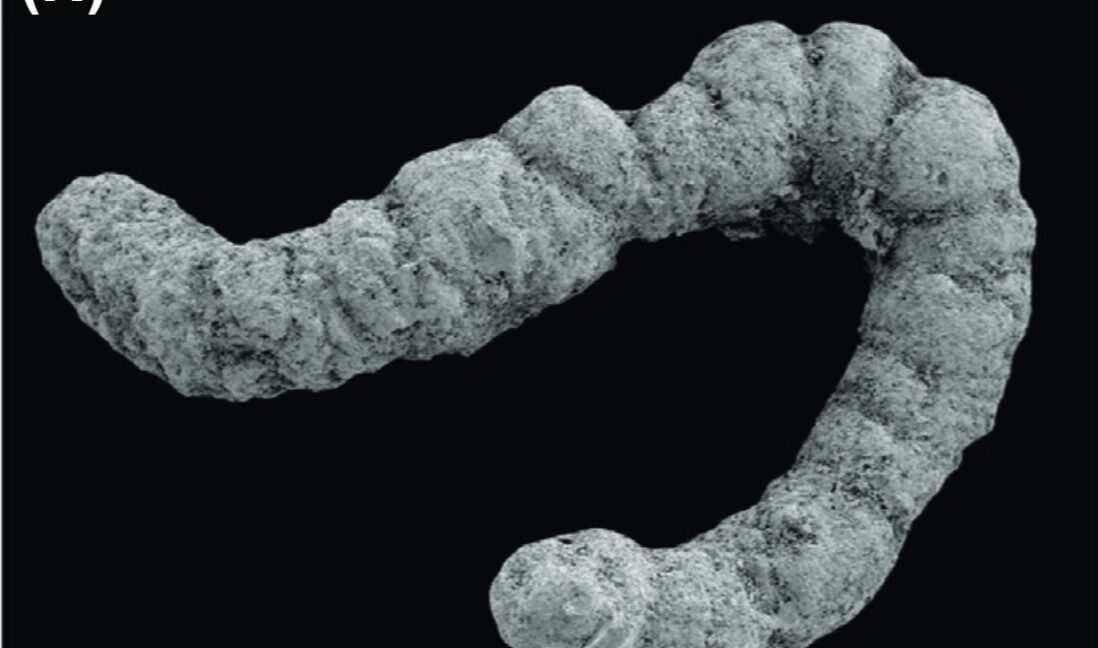
In a recent study published in the journal "Nature," researchers suggest that the evolution of complex animals may have been significantly influenced by the presence of feces in ancient ecosystems. This finding sheds light on the intricate relationship between waste and biodiversity during the Cambrian explosion, a period roughly 541 million years ago when most major animal groups first appeared in the fossil record.
The study posits that the organic matter found in feces could have acted as a catalyst for the rapid diversification of life. Prior to this, the oceans were mostly populated by simple organisms. The buildup of nutrients from waste created an environment rich in resources, allowing more complex organisms to thrive. This research is timely as scientists continue to explore the environmental factors that drove evolutionary changes on Earth, particularly in the context of climate change and biodiversity loss today.
Researchers analyzed sediment samples from ancient marine environments, looking for chemical signatures of fecal matter. Their findings indicate a significant increase in nutrient levels correlating with the emergence of complex animals. This suggests that waste was not merely a byproduct of life but played a critical role in shaping ecosystems. The implications could extend beyond paleontology, influencing how we understand nutrient cycling in modern ecosystems and its importance for maintaining biodiversity.
Moving forward, the study invites further research into the role of waste in other periods of evolutionary history. Understanding these dynamics could provide valuable insights into how current environmental changes might affect species evolution today. It also underscores the need to consider the broader ecological impacts of waste management in contemporary environments, where nutrient cycling is vital for sustaining healthy ecosystems.
Read Full Story at Ars Technica →