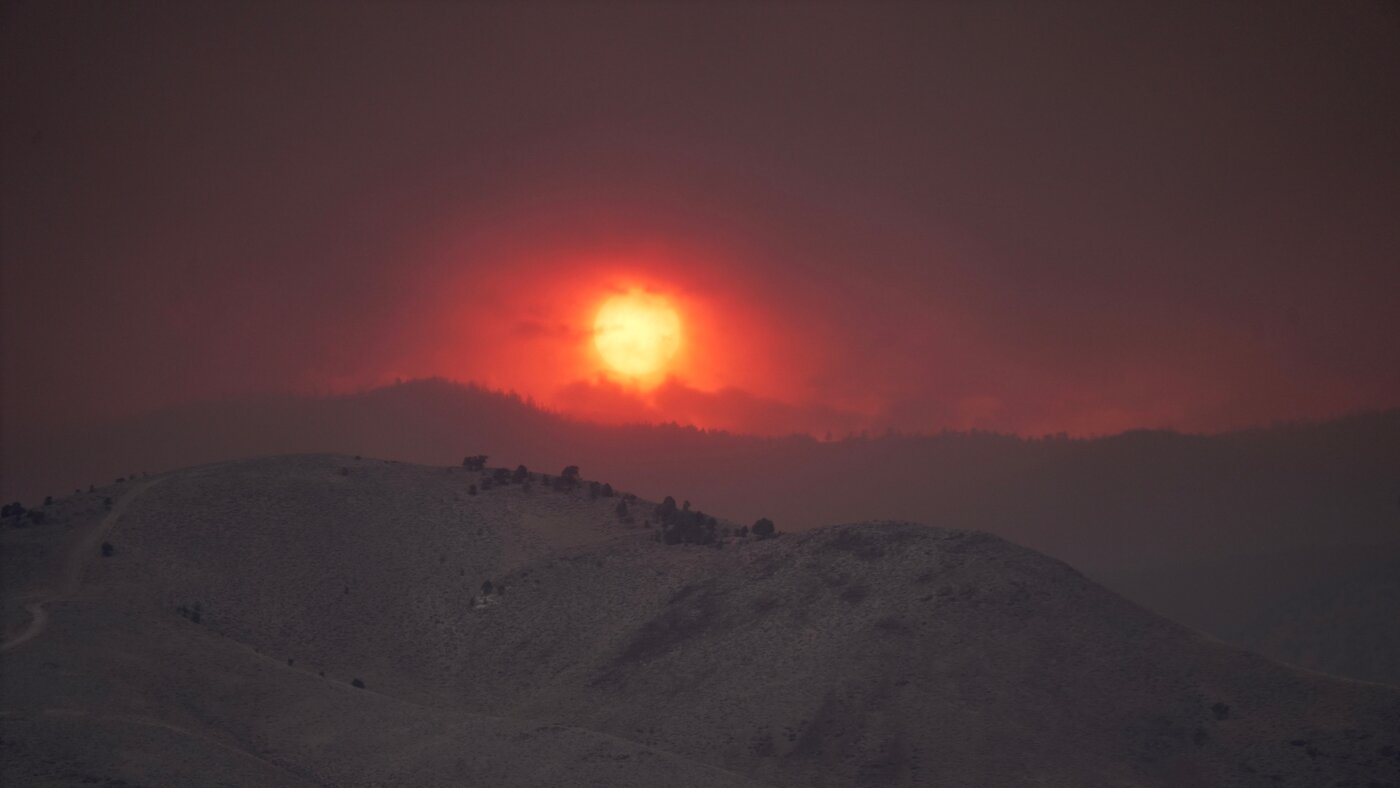
Po River at 30-year low disrupts Italy's northern irrigation
The Po River’s 30-year low water levels threaten irrigation for 40% of Italy’s rice, corn, and wheat—critical crops for Europe’s food supply. Without rain and with climate-driven drought worsening, fa

Northern Italy’s Po River, the country’s longest, is drying up fast, putting crops and irrigation at risk, officials warned Friday. Water levels have
Read Full Story at Phys.org →Why This Matters
The Po River’s unprecedented drought isn’t just an Italian crisis—it’s a continental warning. With nearly half of Italy’s arable land at risk, the collapse of irrigation systems could ripple through global grain markets, where Europe already balances precariously between self-sufficiency and reliance on imports. The stakes extend beyond food prices: Italy’s farming sector, a $30 billion industry, fuels Mediterranean gastronomy and cultural identity, making this a test case for how climate change will reshape even the most storied agricultural landscapes.
Background Context
Northern Italy’s agricultural heartland has relied on the Po for millennia, but its waters are now a symptom of a deeper paradox. Decades of groundwater extraction, Alpine glacial retreat, and poorly regulated irrigation have hollowed out the river’s resilience, even as the Po Valley’s monoculture farming—dominated by water-intensive crops like rice and corn—locked the region into a high-stakes dependency. Meanwhile, Italy’s glacial meltwater, historically a buffer during dry spells, is dwindling faster than projected, leaving policymakers scrambling to adapt to a reality their predecessors never designed for.
What Happens Next
The next planting season will reveal whether Italy’s farmers can pivot to drought-resistant crops or whether emergency rationing becomes permanent. EU agricultural policies, already strained by the Ukraine war’s grain disruptions, may face a reckoning over subsidies that favor water-hogging staples. Meanwhile, regional governments are racing to enforce "water rationing" laws that could spark legal battles between industrial users and smallholders—a preview of the conflicts likely to erupt across Southern Europe as climate pressures intensify.
Bigger Picture
This drought is a bellwether for Europe’s breadbasket regions, where the intersection of climate change and industrial agriculture is accelerating collapse. Similar pressures are mounting in Spain’s Ebro Delta and France’s Beauce plain, where aquifers are depleting at alarming rates. The Po River crisis underscores a critical truth: Europe’s food security is no longer a given, and the solutions—whether technological, policy-driven, or cultural—will demand a level of coordination and sacrifice that current systems are not built to deliver.