BLM's documentation error raises concerns for Wyoming's oil and gas leases
A documentation error by the Bureau of Land Management has sparked concern among Wyoming residents and environmentalists about the management of recent oil and gas lease sales. This oversight raises …
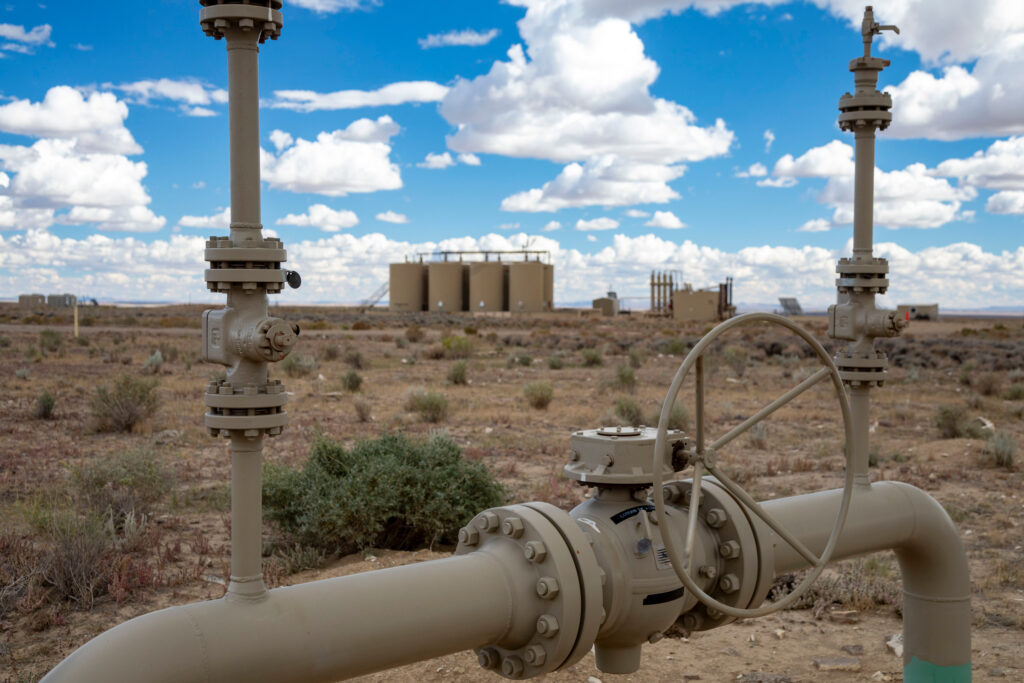
A mistake in federal documents has raised concerns among Wyoming residents and environmentalists regarding recent oil and gas lease sales in the state. The Bureau of Land Management (BLM) announced in July that it was offering public land for lease to fossil fuel companies, but errors in the documentation have led to questions about the government's ability to manage the push for energy production under President Donald Trump's "energy dominance" agenda.
This situation emerges as the BLM has been under scrutiny for its role in promoting fossil fuel extraction on public lands. The Trump administration's policies have emphasized maximizing domestic energy production, often at the expense of environmental protections. Critics argue that the push for leasing public lands has been hasty and poorly managed, risking both environmental damage and the livelihoods of local communities. The recent error has intensified these worries, suggesting a lack of oversight in a system already criticized for prioritizing industry interests over ecological and community concerns.
Residents in Wyoming, a state heavily reliant on the oil and gas industry, are particularly anxious. Many fear that mismanagement could lead to environmental degradation, including potential impacts on air and water quality. Environmental groups have also expressed alarm, stating that these oversights could undermine public trust and lead to further harm to already vulnerable ecosystems. The BLM's error has prompted calls for greater transparency and accountability in the leasing process.
Moving forward, the BLM is expected to address the mistakes and clarify the leasing process. Local residents and environmental advocates will likely continue to monitor the situation closely. The outcome could influence future energy policies and set a precedent for how federal agencies manage public lands. With ongoing debates about climate change and energy production, the implications of this incident may resonate beyond Wyoming, affecting national discussions on fossil fuel development and environmental stewardship.
Read Full Story at Inside Climate News →