Europe prepares for rare total solar eclipse, attracting 500,000 tourists
Europe is set to experience its first total solar eclipse in over 25 years, attracting nearly half a million tourists to optimal viewing locations in Spain and Portugal. This rare event not only offe…
Millions of people across Europe are preparing to witness a rare astronomical event as the continent braces for its first total solar eclipse in over twenty-five years. The moon will pass directly between the Earth and the sun, casting a shadow that will completely block the sun’s disk for a brief but spectacular interval. This celestial alignment is not just a scientific curiosity but a major cultural moment, drawing nearly half a million tourists to specific viewing zones. These travelers are converging on countries like Spain and Portugal, where the path of totality is widest and the weather conditions are most favorable. The anticipation has turned quiet coastal towns into bustling hubs of activity, with hotels fully booked and local businesses reporting record sales. For many, this is a once-in-a-lifetime opportunity to see the sun’s corona, the faint outer atmosphere that is usually washed out by the sun’s glare. The event represents a convergence of science, tourism, and public wonder that has not been seen in the region since the last major eclipse in 1999.
The significance of this eclipse extends far beyond the immediate visual spectacle. It marks a return of total solar eclipses to Western Europe after a long hiatus, breaking a quarter-century drought for such dramatic celestial events. Total solar eclipses are rare for any given location because the moon’s shadow is narrow, often less than one hundred miles wide. This specific path cuts across the Atlantic Ocean and lands in Europe, making it accessible to a large population. The last time Europe experienced such a clear view was in August 1999, when crowds gathered in France and the UK. Since then, residents have had to settle for partial eclipses or travel to other continents to see totality. This gap has built up a reservoir of pent-up interest among amateur astronomers and casual observers alike. Social media platforms are buzzing with discussions on safety gear, viewing locations, and historical comparisons. Scientists have used this interval to refine models of the moon’s orbit and to plan long-term studies of solar activity. The timing also coincides with the summer season in the Northern Hemisphere, ensuring long days and generally stable atmospheric conditions, which are crucial for clear viewing.
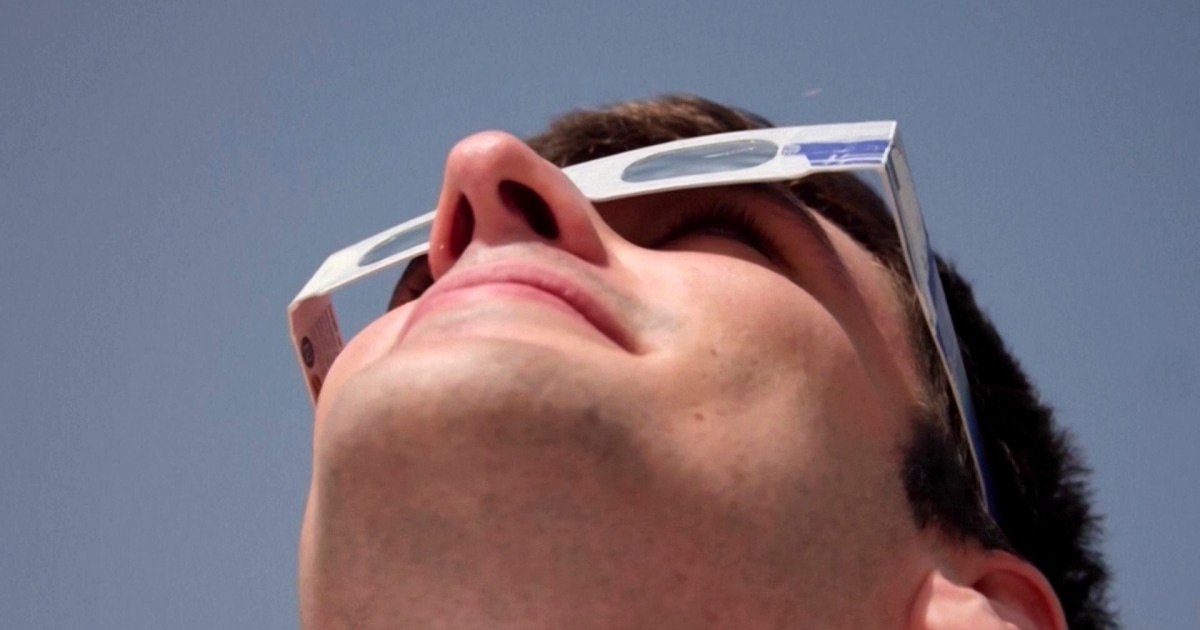
The logistical impact of this event is substantial, with local governments and tourism boards working overtime to manage the influx of visitors. Traffic congestion is expected to be severe in rural areas along the path of totality, prompting authorities to implement special traffic plans and designate overflow parking areas. Hotels and short-term rentals have seen price surges, with some costs tripling compared to normal summer rates. Despite the challenges, the economic boost for small communities is significant. Local vendors are selling eclipse glasses, telescopes, and themed merchandise. Experts warn that looking directly at the sun without proper protection can cause permanent eye damage, so public safety campaigns have intensified. Schools and community centers are hosting educational events to teach proper viewing techniques. The scientific community is also taking advantage of the event, with researchers setting up equipment to study the sun’s corona and the Earth’s ionosphere. Data collected during this brief window will help improve our understanding of solar physics and space weather.
As the date approaches, the focus shifts from preparation to execution. Meteorologists are closely monitoring weather patterns to predict cloud cover, which is the biggest variable in viewing quality. If skies are clear, observers will experience a rapid drop in temperature and a sudden shift in ambient light, mimicking twilight. Birds may stop singing, and insects may begin their evening routines. The total phase will last only one minute and forty-three seconds at the point of maximum eclipse, but the psychological impact is profound. Many witnesses describe a deep sense of awe and a connection to the cosmos. After the moon moves on, the sun will return, and the normal day will resume. However, the memory of the event will linger, reinforcing humanity’s enduring fascination with the sky. For the next total eclipse visible from Europe, residents will have to wait several decades, making this moment uniquely precious. The event serves as a reminder of the predictable yet majestic forces that govern our solar system.
Read Full Story at NBC News →