Expensive flash drives: When and why it's worth paying more
Faster transfers are only part of the story when you're deciding whether a premium flash drive is worth it. Flash drives aren't the first device you think about when considering the current sky-high…
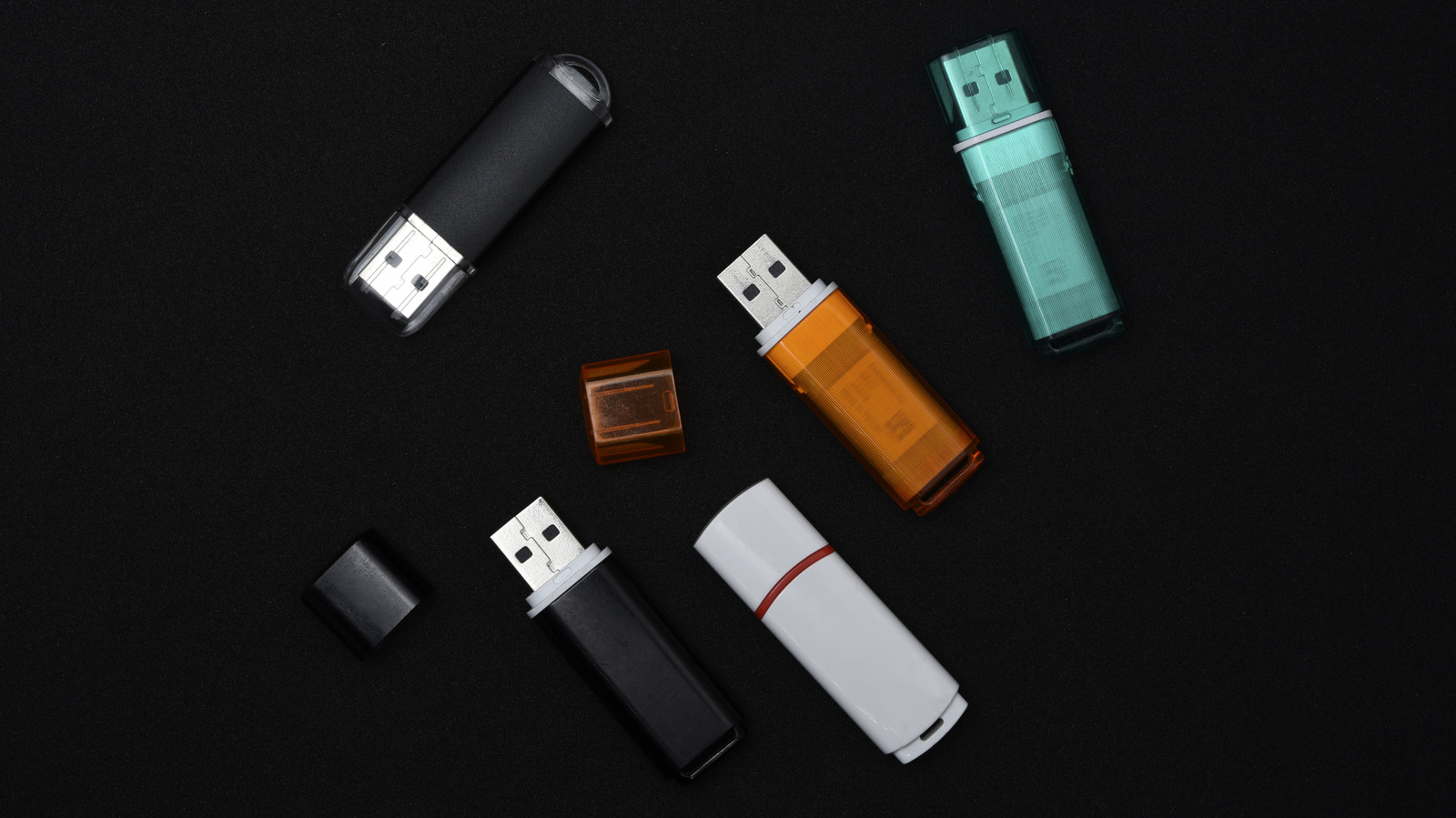
Faster transfers are only part of the story when you're deciding whether a premium flash drive is worth it.
Flash drives aren't the first device you think about when considering the current sky-high cost of RAM and storage, but they've certainly been affected. Thanks to AI and data center demand, NAND flash prices have risen significantly. USB drives haven't absorbed those increases dollar for dollar, but cheap flash memory can no longer be taken for granted either.
That makes the price difference between various flash drives more interesting. While two drives of the same capacity may cost vastly different amounts, usually the extra cost brings something you'll notice: faster transfers, stronger security or hardware better suited to life outside a desk drawer.
Still, expensive doesn't automatically mean better. The trick is figuring out what you're actually paying for.
USB 3.0 was the first major successor to USB 2.0 . It bumped the maximum theoretical transfer speed to 5 Gbps, compared to the earlier standard's 480 Mbps. From there, USB naming got complicated. The two following standards were initially called USB 3.1 and USB 3.2, but everything was retroactively changed to use "Gen" names.
The group behind USB now recommends using the max transfer rate for clarity, instead of "USB 3.2" followed by the generation — these cap out at 5 Gbps, 10 Gbps or 20 Gbps. Thus, if you see "USB 3.2" on a box, it doesn't necessarily indicate how fast that drive will be. You'll need to check the transfer rate elsewhere in the specs.
USB-C doesn't fix this problem either. USB-C is a connector type, not a performance promise , so USB-C devices can run at USB 2.0 speeds. What USB-C can give you is convenience. Having both USB-A and USB-C connectors on a single drive makes it easier to switch between older PCs and newer laptops, tablets or phones without having to carry an adapter around.
It's the actual read and write speeds that count. For example, Kingston rates its DataTraveler Max at up to 1,000 MB/s reads and 900 MB/s writes. In a 10GB transfer test, Tom's Hardware measured Samsung's cheaper Fit Plus at 319.7 MB/s reads and just 58.4 MB/s writes. That gap won't matter much when copying a PDF, but a folder full of 4K video is a different matter.
Read Full Story at Engadget →