Lawmakers introduce SLOTHS Act to ban wild sloth imports in U.S.
Federal lawmakers are set to introduce the bipartisan "SLOTHS Act," which aims to ban the import of wild-caught sloths into the U.S. This legislation seeks to protect sloth populations from the exoti…
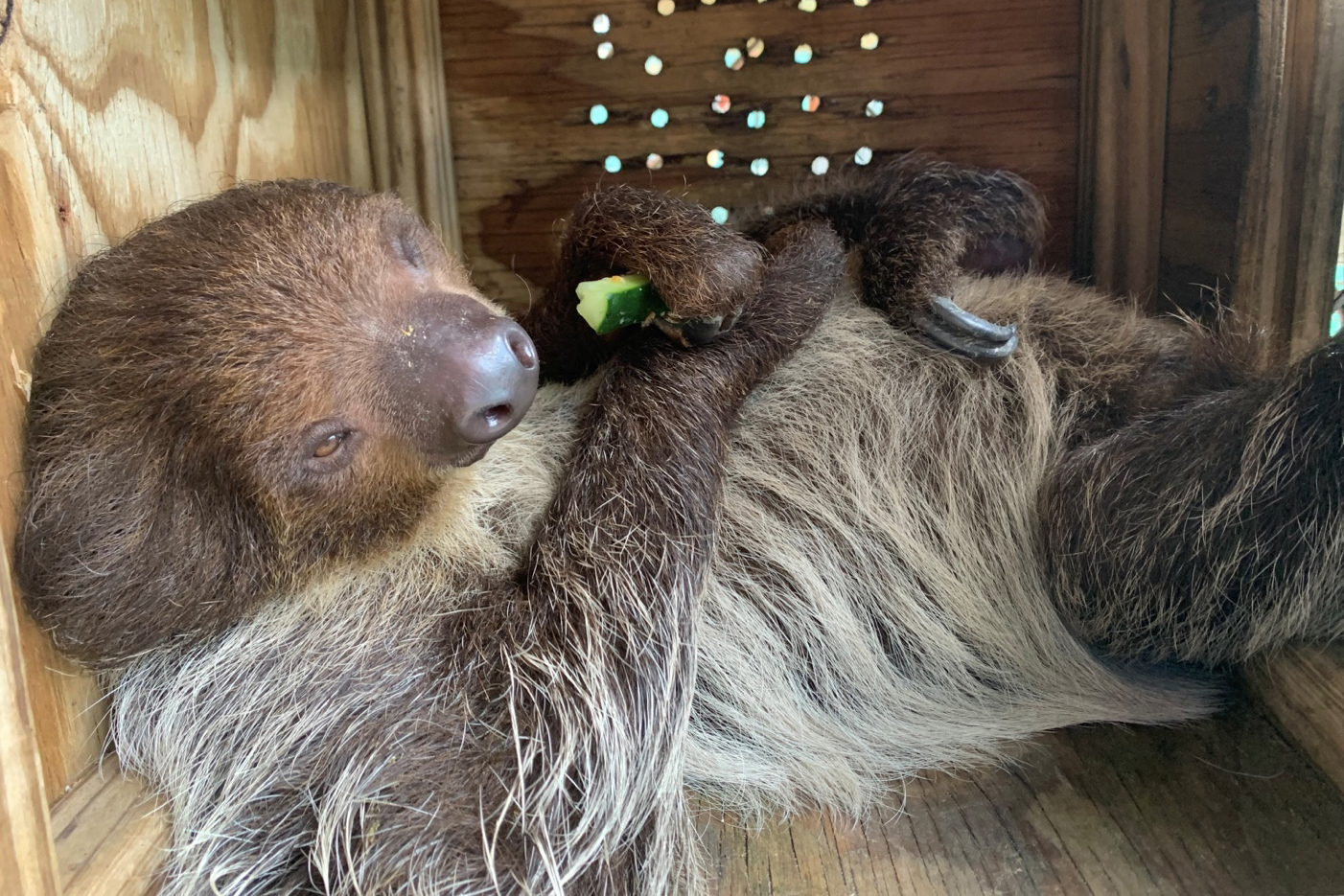
Federal lawmakers will introduce the “SLOTHS Act” on Tuesday, a bipartisan bill that would ban the import of wild‑caught sloths into the United States. The legislation is being led by Representative Maxwell Alejandro Frost, a Democrat from Florida, and co‑sponsored by Representative Laurel Lee, a Republican also from Florida. The measure would prohibit any commercial entry of live sloths taken from their natural habitats, aiming to close a loophole that currently allows the animals to be shipped to U.S. pet markets and zoos.
The proposal comes amid growing evidence that the exotic‑pet trade is a major driver of sloth population declines in Central and South America. Conservation groups estimate that thousands of wild sloths are captured each year, often in Brazil, Costa Rica and Panama, and smuggled through ports in the Gulf of Mexico. The United States is one of the largest destination markets, with imported sloths fetching high prices among hobbyists who claim the animals are low‑maintenance. The trade also spreads parasites and diseases that can threaten native wildlife. In 2022, the U.S. Fish and Wildlife Service reported a 45 percent rise in sloth import permits, prompting calls for stricter regulation.
The SLOTHS Act would amend the Lacey Act to make it illegal to import any sloth that was not bred in captivity, and it would require customs officials to verify the origin of each specimen. The bill has garnered support from the World Wildlife Fund, the Wildlife Conservation Society and several state wildlife agencies, which say the ban would reduce illegal trafficking and give conservationists a stronger legal tool. Opponents, including a small group of exotic‑pet dealers, argue the measure could hurt legitimate breeders and limit consumer choice, but they have not offered evidence that captive‑bred sloths are not linked to wild capture.
If the bill clears the House Energy and Commerce Committee, it will move to a full House vote later this summer and then to the Senate for consideration. A passage would align U.S. policy with the 2023 amendment to CITES that listed the three‑toed sloth as a species needing stricter trade controls. Advocates say the ban could set a precedent for other exotic‑pet imports, reinforcing broader efforts to curb wildlife trafficking and protect biodiversity as climate change intensifies threats to forest habitats.
Read Full Story at Inside Climate News →