American Livestock Lobby Group Cites Climate Change as PR Challenge
Leaked documents reveal the
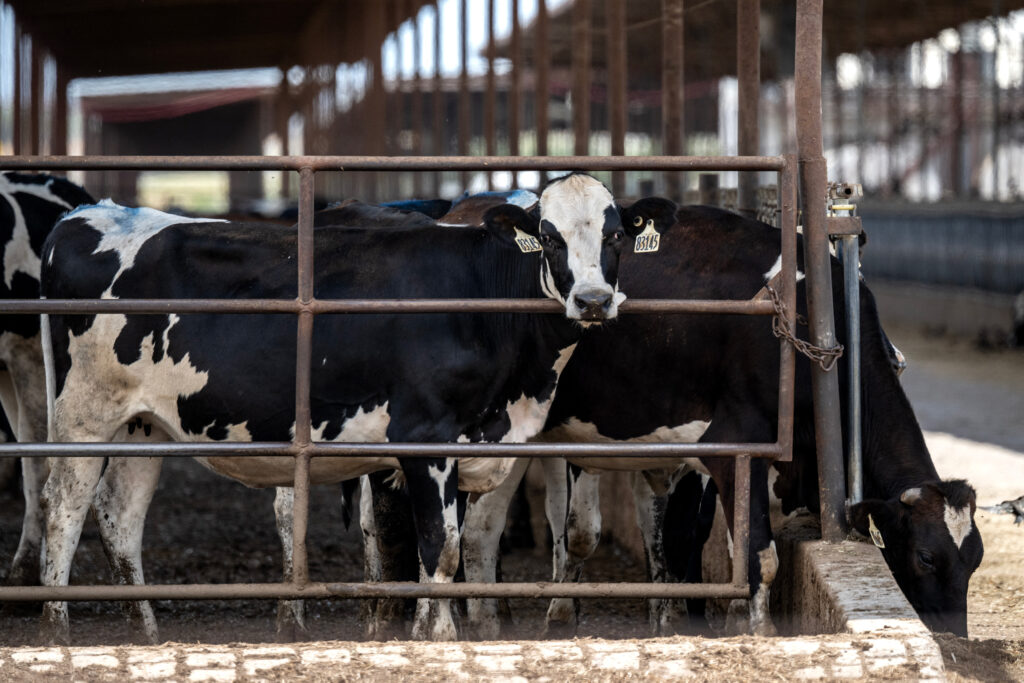
The National Cattlemen’s Beef Association (NCBA) told reporters in a June 2024 briefing that it now sees climate change as a public‑relations challenge rather than a scientific crisis, a stance revealed in an Inside Climate News investigation of the group’s internal strategy documents. The memo, dated March 2023, instructed staff to “reframe climate messaging to protect the industry’s brand” and to allocate more funds to advertising and outreach. The NCBA is the primary lobbying organization for U.S. cattle producers, representing roughly 30,000 farms and accounting for a significant share of the nation’s livestock emissions.
Livestock accounts for about 14 percent of global greenhouse‑gas emissions, mostly methane from cattle and land‑use change for grazing. Over the past decade, investors, retailers and consumers have pressed the industry to cut its carbon footprint. In 2021 the U.S. Environmental Protection Agency proposed tighter rules on methane leaks, and several major fast‑food chains pledged to source “climate‑smart” beef. Facing mounting pressure, the NCBA shifted from outright opposition to regulation toward a strategy that emphasizes brand protection and “sustainability” messaging, according to the leaked documents.
The investigation found the NCBA spent $2.5 million on public‑relations firms in 2023, commissioning a series of videos and a website that highlight “progress” on feed additives that reduce methane. It also hired former EPA officials to advise on “messaging tactics.” In a public statement, the NCBA said it was “committed to responsible climate stewardship” and that its new approach would “align industry interests with environmental goals.” Environmental groups, however, called the move a “distraction” that could stall real policy action. Some ranchers welcomed the shift, saying it could improve the industry’s image and open new market opportunities.
The next steps could shape how U.S. climate policy addresses agriculture. Congressional committees are set to hold hearings on livestock emissions later this year, and lawmakers may scrutinize the NCBA’s PR spending. If the lobbying group continues to treat climate change as a branding issue, critics warn that meaningful regulation could be delayed, leaving the sector vulnerable to consumer backlash and tighter future rules. Conversely, a genuine focus on emission reductions could help the industry stay competitive as the market moves toward greener food choices.
Read Full Story at Inside Climate News →