Flesh-eating screwworms infect 74 pets in Texas, USDA launches control measures
Flesh-eating screwworms have spread to a third state in the U.S., with 74 cases reported among pets and livestock, raising urgent health concerns. The USDA is implementing measures to control the out…
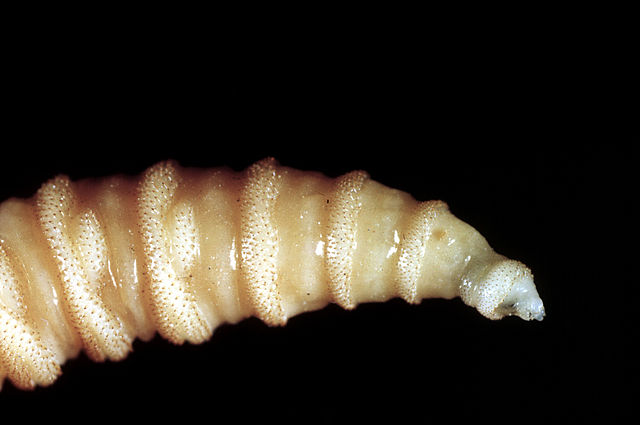
The U.S. Department of Agriculture confirmed on Tuesday that flesh‑eating screwworms have been detected in a third state, expanding the outbreak that began in Texas in June and later spread to Florida. So far, USDA officials have documented 74 cases of infected animals, including dogs, cats and livestock, across the three states. The parasites, which can kill a host in days if untreated, have begun biting pets, prompting urgent warnings from veterinarians.
Screwworms are the larval stage of the Cochliomyia hominivorax fly, a parasite that lays its eggs on open wounds. The hatched larvae feed on living tissue, causing severe tissue loss and often death. The United States eradicated the insect in 1966 using a sterile‑male release program, a success that kept the pest out of North America for decades. Scientists say a combination of warmer temperatures, increased international trade and lapses in surveillance may have created a pathway for the flies to re‑enter the Gulf Coast region. The resurgence threatens a $2 billion‑a‑year livestock industry and raises public‑health concerns because pets can serve as carriers for the larvae to spread to farms.
The USDA has reactivated its sterile‑insect technique, deploying thousands of sterilized male screwworms over the affected counties to curb reproduction. Federal and state animal‑health agencies are conducting door‑to‑door inspections, offering free wound checks, and distributing a pesticide that can be applied to at‑risk animals. Veterinarians urge owners to keep wounds clean, report any unusual lesions, and seek immediate treatment if a fly is seen on a pet. The agency expects the program to take several months to suppress the fly population, but officials warn that continued vigilance will be needed to prevent a wider resurgence.
Read Full Story at Ars Technica →