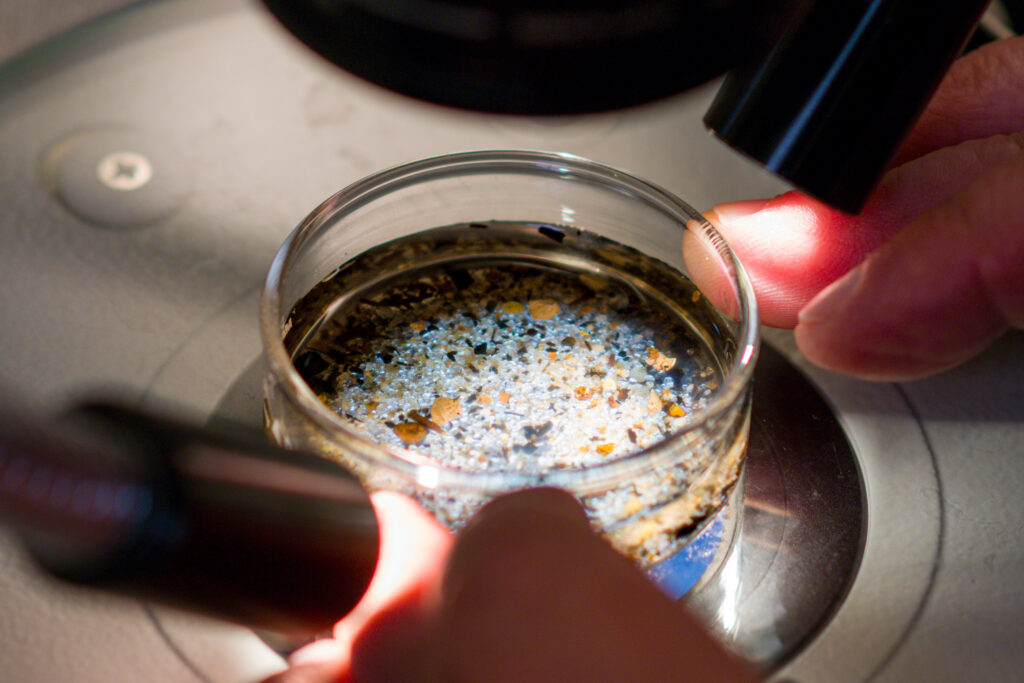
Scientists discover toxic Galerina indica mushrooms in Florida with unique dangers
Scientists have discovered the mushroom Galerina indica in Florida, which contains both psychedelic compounds and potent toxins, posing serious health risks if consumed. This unique combination has n…
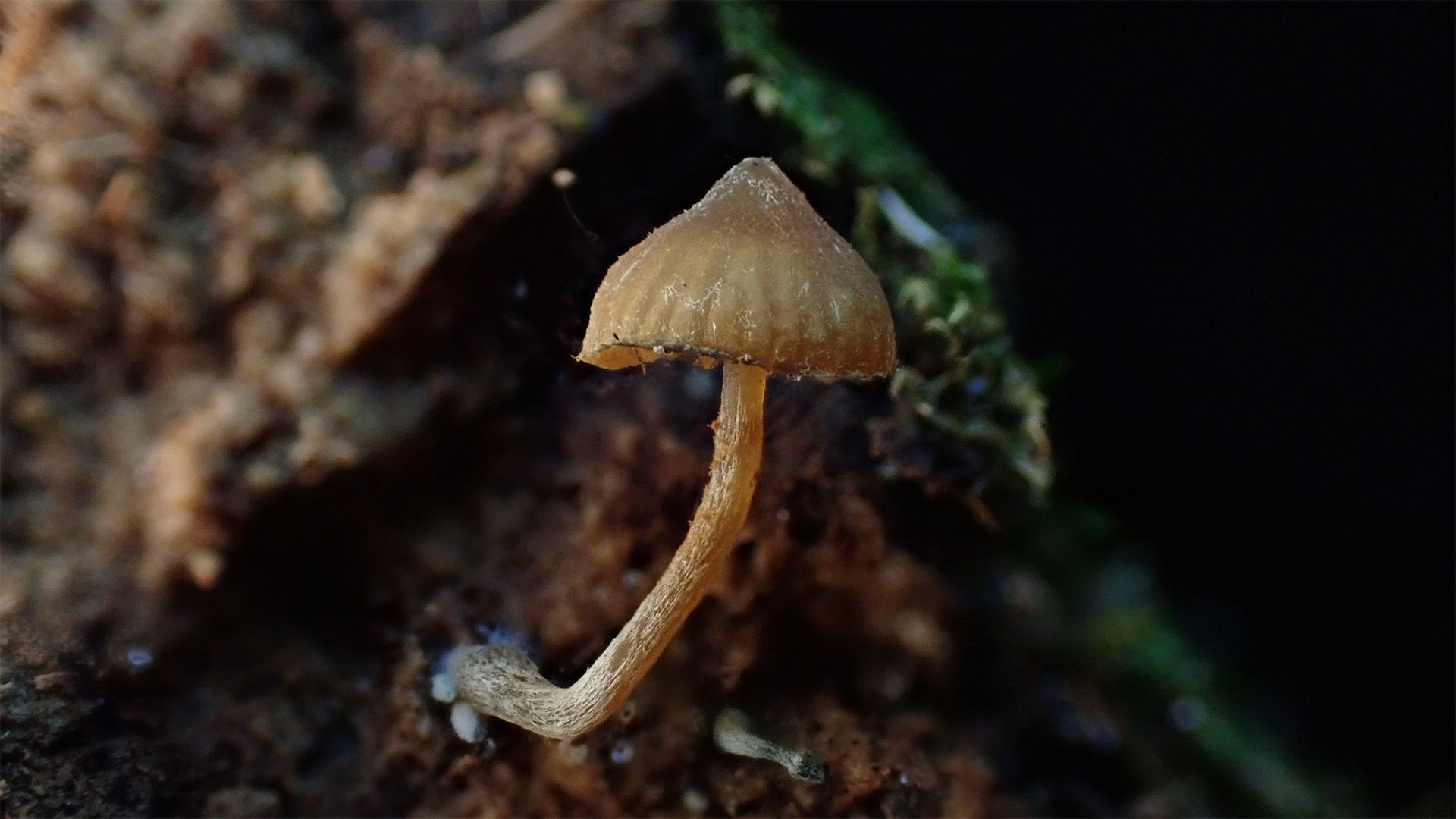
Scientists have identified the mushroom Galerina indica in Florida, which contains a rare combination of psychedelic compounds alongside potent toxins. This discovery has raised alarms among mycologists and health officials due to the potential risks associated with consuming this species.
The findings come at a time when interest in psychedelic substances is surging, fueled by research into their therapeutic benefits. Many people are exploring psychedelics, often without understanding the risks. The presence of Galerina indica complicates this landscape, as it may be mistaken for other, more benign mushrooms. Its dual chemical profile can lead to severe health consequences, including liver failure and death, which makes awareness about its existence critical.
Experts have noted that this specific combination of chemicals has never been documented before, prompting further investigation into its effects. The psychoactive component found in Galerina indica is similar to psilocybin, the active ingredient in "magic" mushrooms, while the toxins are akin to those found in the infamous Amanita phalloides, or death cap mushroom. The potential for accidental ingestion poses a significant risk, especially in areas where foraging for wild mushrooms is popular.
Moving forward, researchers plan to conduct more studies to understand the implications of this discovery. Health departments are likely to increase public awareness campaigns about the dangers of foraging and the specific identification of mushrooms. This situation highlights the importance of educating the public about distinguishing between safe and dangerous species, especially as the popularity of psychedelics continues to rise. Understanding the risks associated with Galerina indica could ultimately save lives.
Read Full Story at Live Science →