Inside Climate News reveals $300 billion aquaculture industry's unsustainable feed practices
Inside Climate News’ podcast exposes the $300 billion aquaculture industry’s reliance on unsustainable fish feed, which drives coastal pollution, worker exploitation, and biodiversity loss. The inves…

Inside Climate News released a new podcast episode titled “Food for Feed” on Tuesday, detailing the hidden workings of the world’s $300 billion aquaculture industry. The episode was produced in partnership with the Outlaw Ocean Project, a nonprofit that investigates oceanic exploitation. It follows the same investigative style that earned the two groups a Pulitzer Prize in 2022 for exposing illegal fishing.
The focus is on fish farms that supply the majority of seafood sold in supermarkets. In the last decade, demand for fish has risen faster than wild stocks can replenish, so producers have turned to farms that grow species such as salmon, tilapia, and shrimp. The new episode shows how the industry’s growth is tied to a global network of feed mills that churn out billions of kilograms of fishmeal and soybean oil each year. It also highlights the environmental toll: large volumes of waste water, antibiotics, and chemicals are released into coastal waters, and the feed itself often comes from unsustainably harvested fish. Workers on the farms face low wages, long hours, and hazardous conditions, while local communities suffer from pollution and loss of traditional fishing rights.
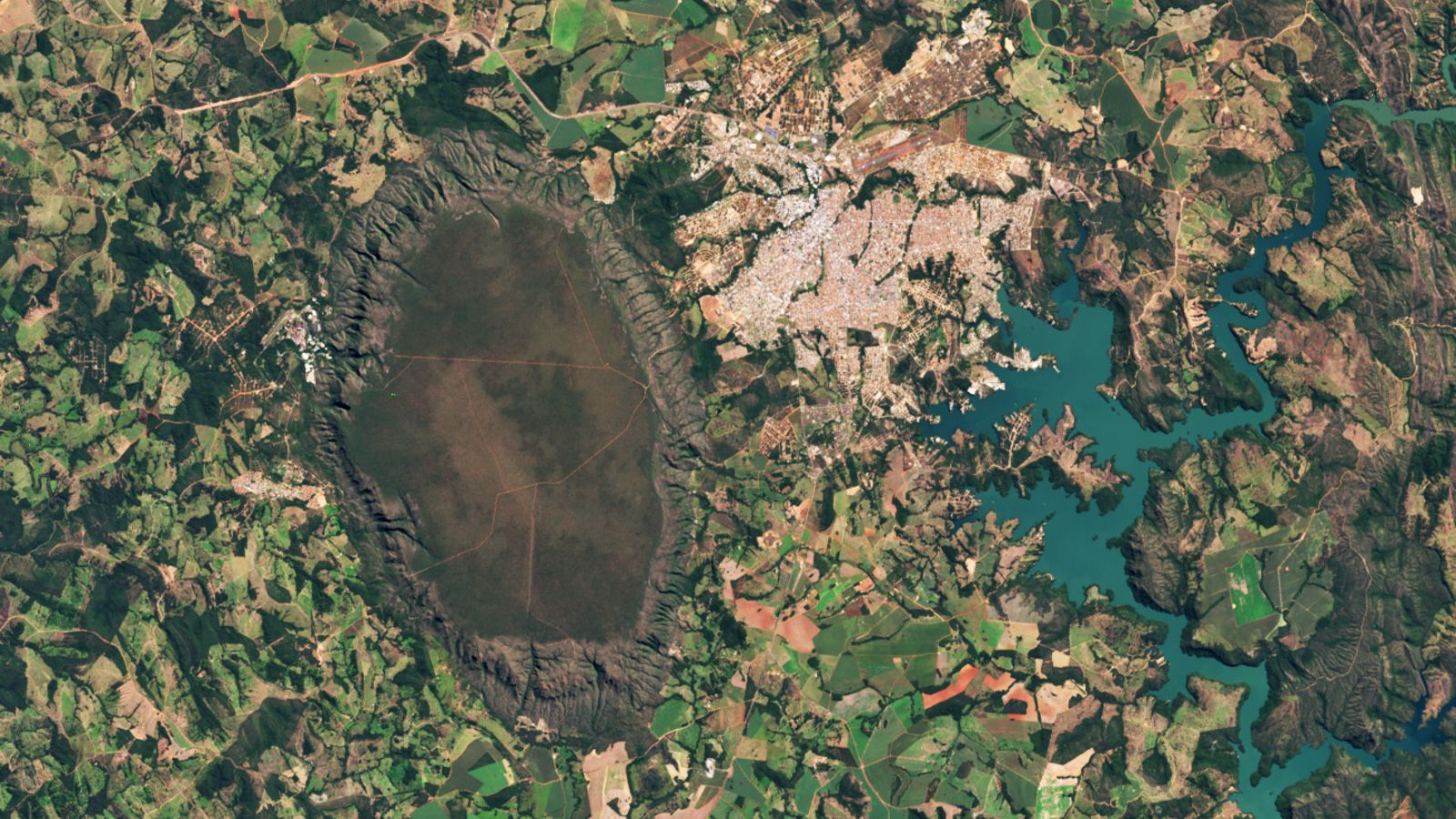
The investigation draws on data from satellite imagery, whistle‑blower testimony, and court filings. It points to a lack of regulation in many countries, and to the fact that most aquaculture operations are owned by multinational corporations that keep their supply chains opaque. The episode urges listeners to consider the carbon footprint of feed production, the biodiversity loss caused by feed fish farms, and the health risks of antibiotic‑laden fish. It also suggests that consumers can push for change by demanding certification labels, supporting local fishers, and reducing overall seafood consumption.
The podcast ends with a call to action for policymakers to tighten oversight of feed production, enforce stricter environmental standards, and protect workers’ rights. It also hints that the Outlaw Ocean Project will continue to monitor the sector, hoping to bring more transparency to the industry’s supply chain. The episode is expected to spark debate among fishery experts, environmental groups, and the seafood industry itself.
Read Full Story at Inside Climate News →