Geologists Say Americas Collided 10-12 Million Years Ago
Geologists found the Americas collided 10 to 12 million years ago, not 5 to 6 million, based on magnetic rock data. This earlier timeline improves seismic hazard maps for millions in Colombia, Ecuado…
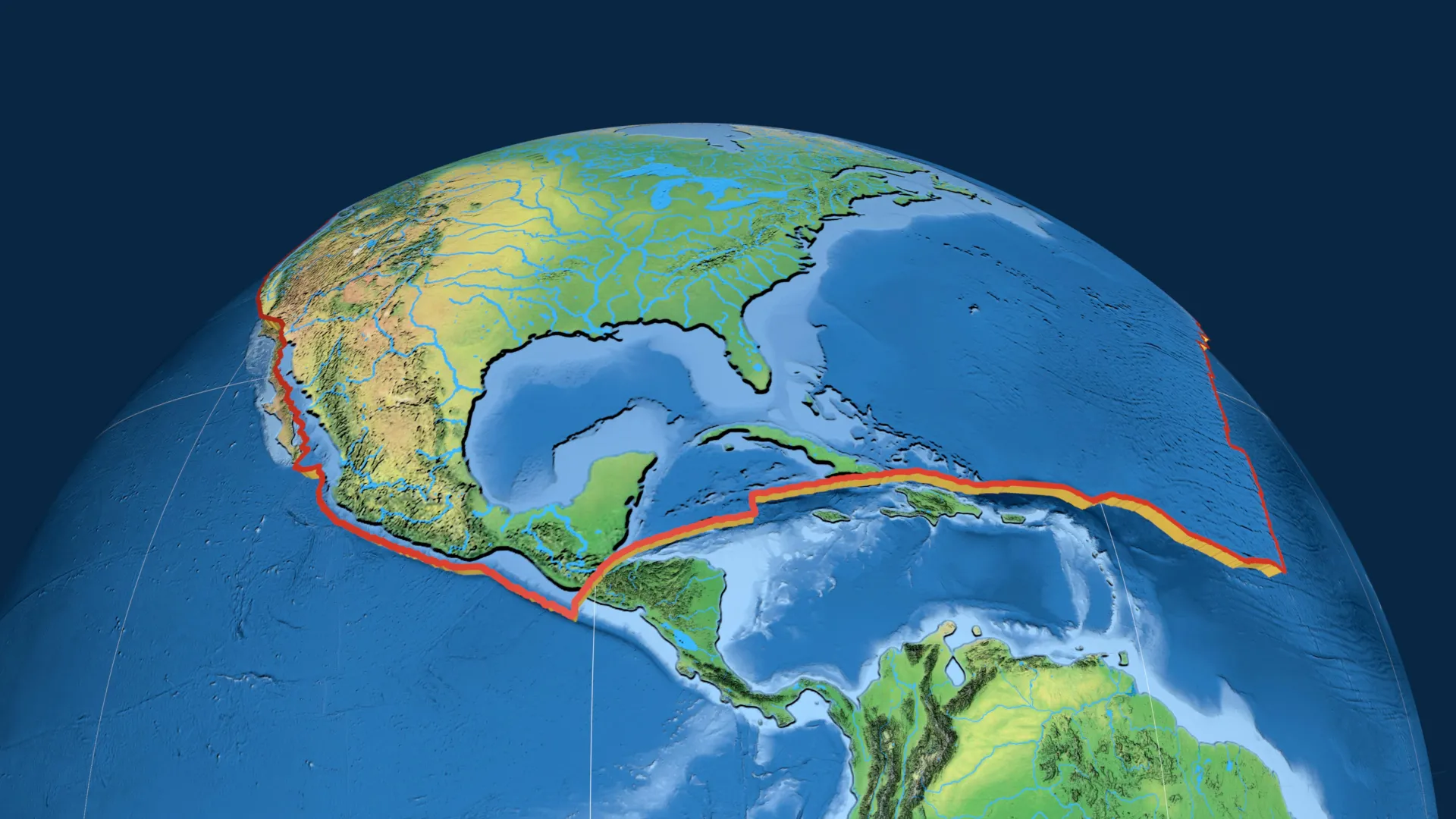
Geologists have found evidence that the collision between the Central and South American plates began earlier than previously thought, based on magnetic signatures in volcanic rocks from Colombia. The study, published in the journal *Geology*, shows that the most intense tectonic deformation had already weakened by the late Miocene, around 10 to 12 million years ago. Earlier models placed the peak of the collision closer to 5 to 6 million years ago, when the Andes rose rapidly and the Caribbean plate was still drifting.
The timing of continental collisions matters for more than academic curiosity. It shapes how we understand mountain building, the distribution of mineral resources, and the patterns of earthquakes and volcanic eruptions. The Andes are one of the world’s most active tectonic zones, and their history informs seismic hazard maps for millions of people in Colombia, Ecuador, and Peru. If the collision began earlier, it suggests that the crustal stresses and magma supply that feed volcanoes and earthquakes have been operating for a longer period than models had assumed.
The team used paleomagnetic analysis to read the ancient magnetic fields recorded in basaltic lava flows. By measuring the direction and intensity of the magnetic fields trapped in the rocks, the researchers could estimate when the rocks cooled and solidified. The data revealed a shift in the magnetic signature that coincides with the late Miocene, indicating a slowdown in deformation after a period of intense plate convergence. Dr. Luis Torres, a lead author from the University of Antioquia, explained that the findings "redefine the timeline of Andean uplift and the associated volcanic activity." The study also compared Colombian data with samples from the western Andes and the Caribbean plate, strengthening the case for an earlier collision.
Next steps will involve expanding the survey to other parts of the Andes and the Caribbean. Geologists plan to collect more samples from the Venezuelan and Ecuadorian ranges to see if the early collision signal is regional or local. The new timeline may prompt revisions of seismic risk assessments and guide future exploration for hydrocarbons and minerals. As the story of the Americas’ tectonic past unfolds, scientists will keep refining the models that help protect communities and manage resources in a dynamic landscape.
Read Full Story at ScienceDaily →