Google built a camera-based tool to estimate body fat more accurately than wearables
Most of us have a weight problem. According to the NIH , almost 3 out of 4 American adults (73.1%) are either overweight or obese. But getting the full picture of your body composition is a whole lot…
Affiliate links on Android Authority may earn us a commission. Learn more.
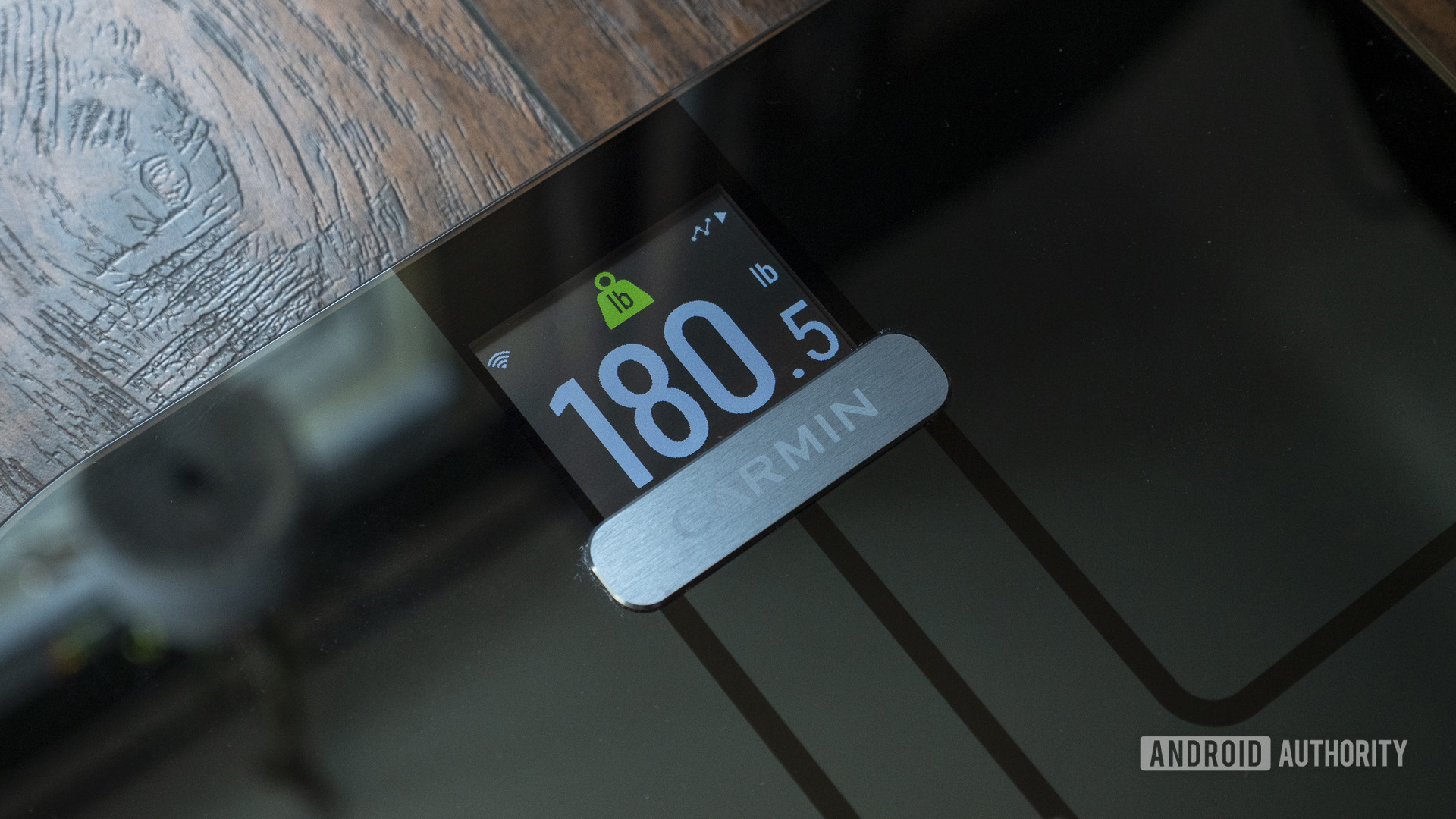
Most of us have a weight problem. According to the NIH , almost 3 out of 4 American adults (73.1%) are either overweight or obese. But getting the full picture of your body composition is a whole lot more complicated than just stepping on a scale , and some of the most accurate ways to assess how and where we carry fat rely on complicated X-ray analysis. Some Google researchers have been working an easier way to offer that same sort of insight, using little more than the cameras on our phones.
PhotoScan is Google Research’s system for estimating body composition by using AI to analyze a series of 2D images of your body. First, Google trained the system using some of the data from those actual X-ray scans (a technique called dual-energy X-ray absorptiometry, or DXA), measuring both overall body fat levels, as well as ratios between core and waist/leg fat (A/G ratio), and organ and subcutaneous fat (V/S ratio).
Combining that with body data from MRI scans, and then further fine-tuning it with a fresh set incorporating actual photos from smartphone cameras, the team’s ultimate model demonstrated the ability to visually estimate body fat with a higher degree of accuracy than the measurements taken with tools like the bioelectrical impedance analysis (BIA) sensor on wearables. More than that, it showed high accuracy at estimating those A/G and V/S ratios, which BIA sensors can’t even attempt.
Beyond just attempting to offer insight into body composition, Google Research also wanted to see how PhotoScan results might be able to predict conditions like insulin resistance. That’s been a very visible focus of Google’s lately, like we see with the upcoming Insulin Resistance Trends in Health Guardian on the Pixel Watch .
While the research looks pretty sound, it’s one thing to announce that you’ve got a non-invasive, affordable new way to give users some of these useful body composition data points. But then you’ve also got to convince users to share a bunch of potentially unflattering photos with the PhotoScan tool, and even with the most robust privacy policy in the world, that could be a big ask. Then there’s still the biggest problem of all: Even after showing them this data, how do you get users to actually make the serious diet and lifestyle changes they need?
That’s a very different, much more difficult issue, but hopefully tools like PhotoScan will ultimately make it easier to at least put us in a position to start addressing it. Right now Google isn’t sharing any plans to turn PhotoScan into an actual product, but we wouldn’t be surprised to see this tech pop up some day as a future Google Health offering.
Thank you for being part of our community. Read our Comment Policy before posting.
Read Full Story at Android Authority →