House passes bill freezing changes to federal science grant-making process
The House passed a stopgap bill to freeze changes to the federal science grant-making process, responding to concerns that proposed reforms could politicize funding. This legislation aims to protect …
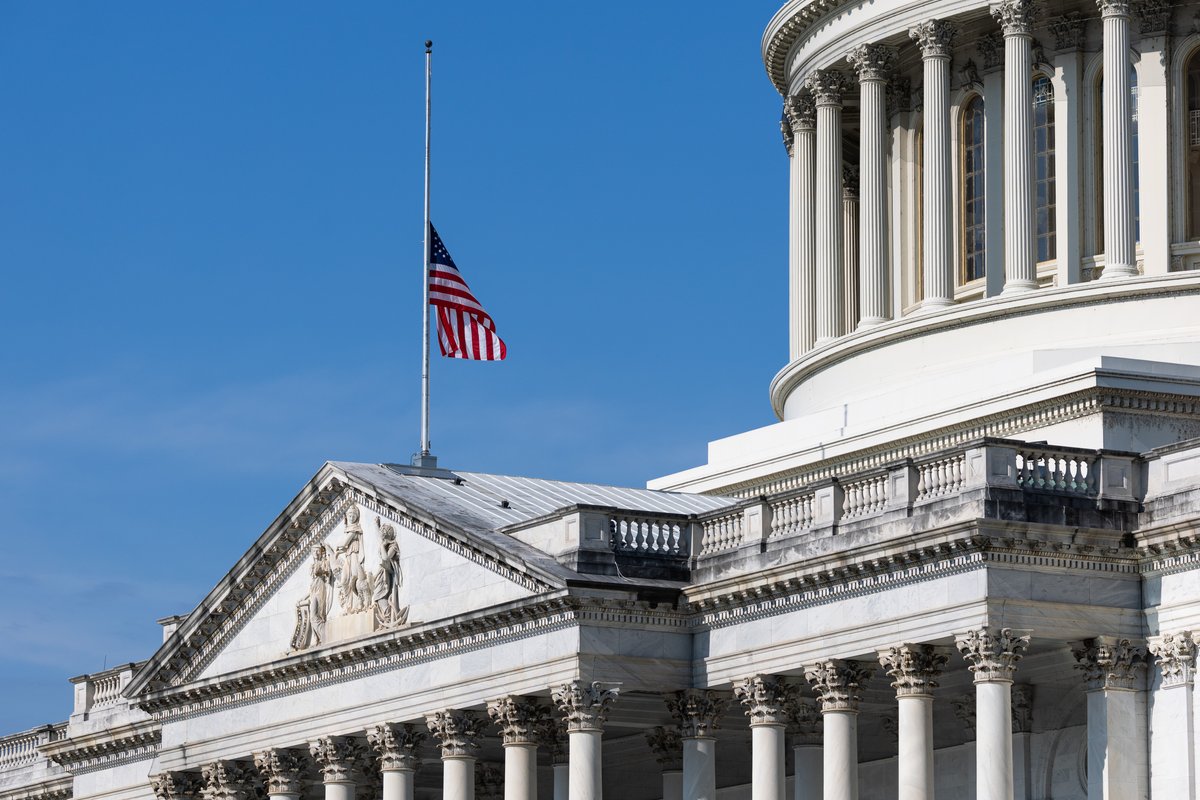
The House of Representatives passed a stopgap bill on Wednesday that halts proposed changes to the federal science grant-making process. The legislation emerged after widespread criticism from the scientific community, which argued that the changes would undermine the integrity and independence of scientific research funding.
The proposed changes aimed to shift control of science funding from established peer-review systems to appointed bureaucrats. This sparked significant backlash from researchers and advocacy groups, who warned that such a move could politicize funding decisions and stifle innovation. The scientific community emphasized that independent peer review is crucial for ensuring that funding is allocated based on merit and scientific rigor, rather than political agendas.
The stopgap bill is part of a broader effort to protect federal research funding amidst ongoing debates over the budget. The urgency to maintain the current system is particularly pronounced as the U.S. grapples with challenges like climate change, public health crises, and technological competition. In the fiscal year 2023, federal science research received approximately $200 billion, highlighting the importance of maintaining a transparent and accountable funding process.
Looking ahead, the legislation will need to pass in the Senate before becoming law. If enacted, it will ensure that the scientific community retains influence over how research grants are awarded. This matter is significant not only for scientists but also for the public, as the outcomes of funded research have far-reaching implications for health, safety, and technological advancement. The ongoing debate will likely shape the future of science funding and its role in addressing critical national and global issues.
Read Full Story at Scientific American →