Study finds 30,000 abandoned Pennsylvania wells leak 20% of state methane
Inside Climate News and the Post-Gazette mapped over 30,000 abandoned Pennsylvania wells, revealing that nearly 10% of those drilled since 1859 remain standing. This data is critical because these le…
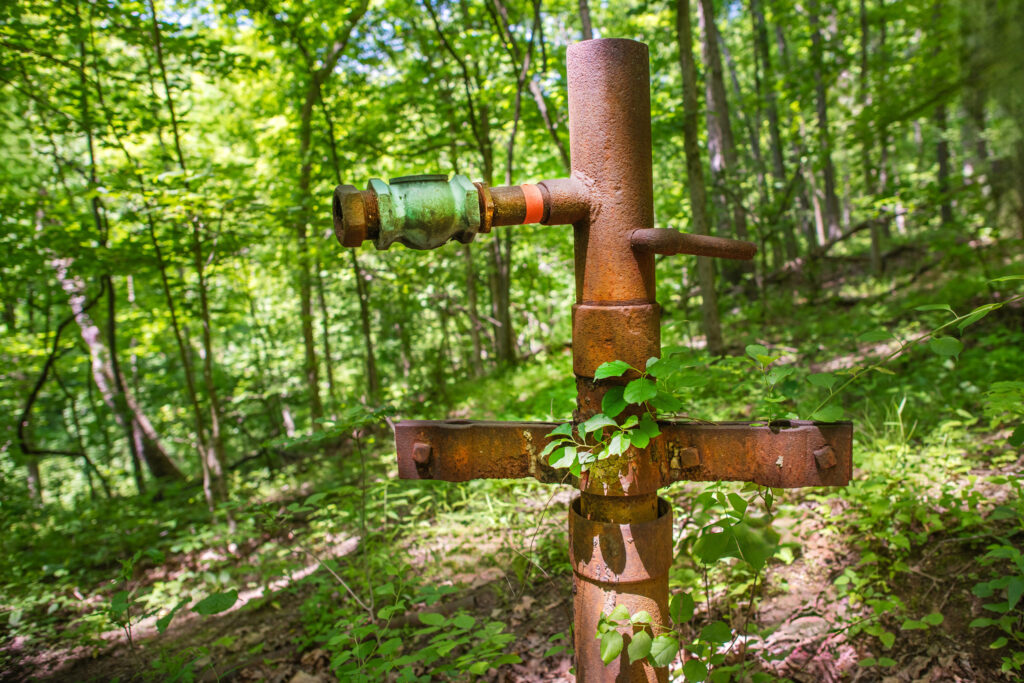
Inside Climate News and the Pittsburgh Post‑Gazette have mapped more than 30,000 abandoned oil and gas wells across Pennsylvania, a state whose geology is a patchwork of underground pockets that once produced the nation’s first commercial oil. The survey, completed in early 2024, shows that nearly one in every ten wells drilled in the state since 1859 is still standing, many of them leaking methane and other pollutants into the air and water. The project was launched after a series of high‑profile methane leaks and groundwater contamination incidents brought renewed attention to the legacy of the region’s fossil‑fuel industry.
Pennsylvania has been a hub of oil and gas exploration for over 160 years. In the 19th and early 20th centuries, the state’s abundant shale and sandstone layers produced millions of barrels of oil, but the industry was largely unregulated. Most wells were abandoned without proper plugging, leaving cracked steel casings and loose cement that can allow hydrocarbons to escape. The state’s “Swiss cheese” geology—layers of porous rock interspersed with impermeable strata—creates a maze of potential pathways for methane to migrate. Recent studies estimate that abandoned wells account for up to 20 % of the state’s methane emissions, a major contributor to local air pollution and climate change.
The mapping effort combined satellite imagery, state‑recorded well logs, and field inspections to identify and verify well locations. Researchers used drones to capture high‑resolution photographs of well sites, then cross‑checked the data with the Pennsylvania Department of Environmental Protection’s database. The project was funded by a grant from the Environmental Defense Fund and support from the state’s Office of the Governor. Environmental groups praised the work, noting that the data will help regulators prioritize wells for plugging and monitoring. State officials said the survey will inform a new policy framework that requires companies to provide detailed records of well status and to pay for the restoration of abandoned sites.
Next steps include a coordinated plugging program that will target the most hazardous wells first. The state plans to issue a call for proposals to private companies willing to finance the restoration of abandoned sites, with the federal government offering matching grants. The mapping data will also feed into a statewide monitoring system that tracks methane emissions from both active and abandoned wells. By making the hidden network of wells public, the project aims to reduce the risk of leaks, protect groundwater resources, and bring the state’s fossil‑fuel legacy into compliance with modern environmental standards.
Read Full Story at Inside Climate News →