Hurricane Lowell threatens Kauai and Niihau as storm intensifies
Hurricane Lowell, a major storm with destructive winds, threatens Hawaii’s Kauai and Niihau with severe damage. Its rapid intensification highlights how warming oceans are increasing the danger of po…
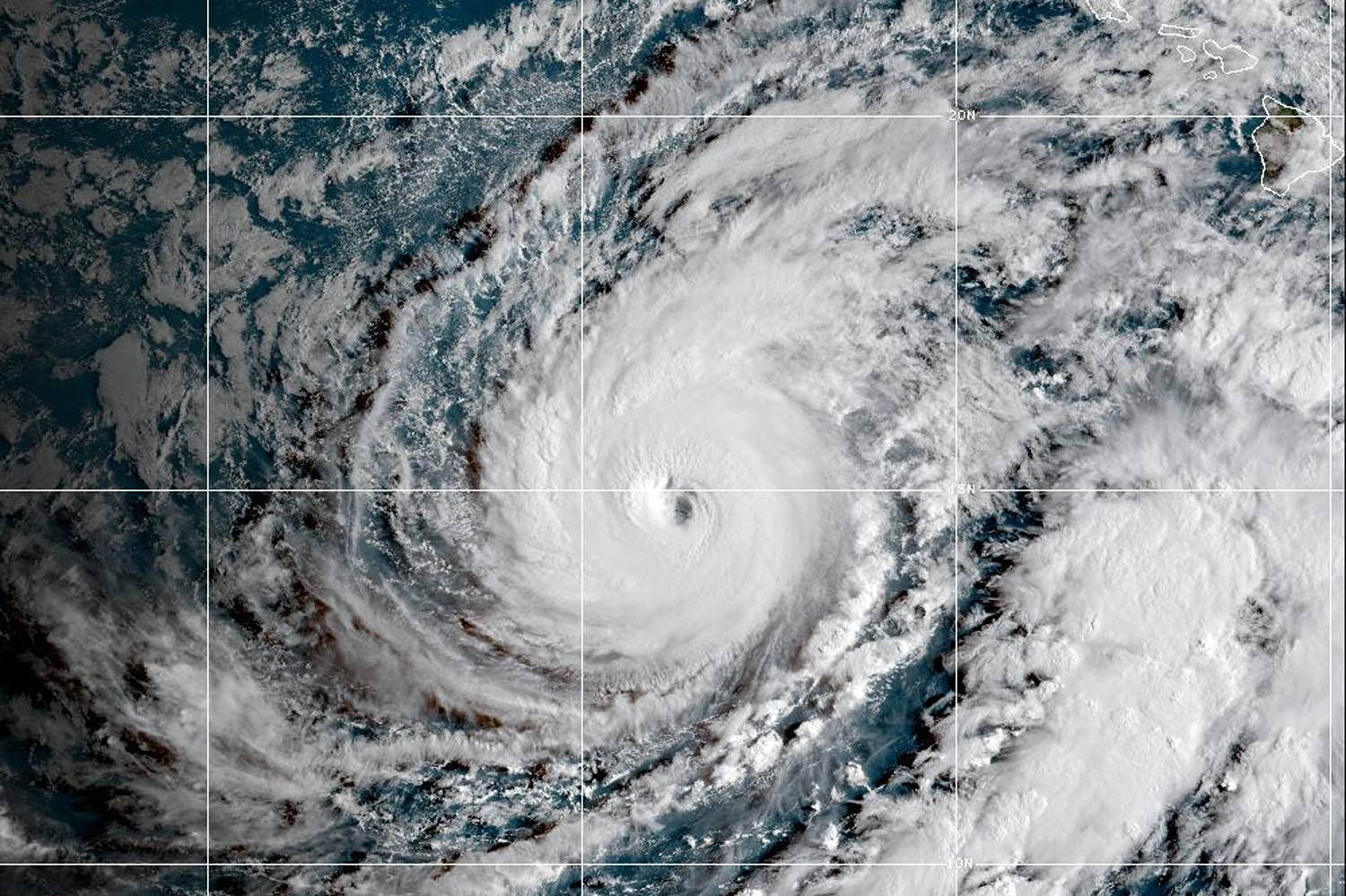
Hurricane Lowell is tracking west of the Hawaiian islands of Kauai and Niihau, prompting officials to issue immediate hurricane warnings for both landmasses. The National Hurricane Center has designated the storm as a major hurricane, with sustained winds reaching speeds that threaten significant structural damage and widespread power outages. As the system moves across the Central Pacific, it is expected to bring dangerous storm surges and heavy rainfall to the region. Residents on these northern islands are being urged to secure their homes and prepare for potentially life-threatening conditions. The storm’s path is closely monitored as it approaches, with meteorologists predicting it will remain just off the coast, sparing the islands from a direct landfall but still exposing them to severe peripheral effects. This warning status indicates that hurricane-force winds are expected within 36 hours, leaving little time for last-minute preparations. Emergency management agencies have activated response protocols, ensuring that shelters are ready and resources are allocated for potential evacuations. The situation remains fluid, with updates expected every few hours as the storm’s intensity and trajectory are refined.
The approach of Hurricane Lowell is particularly concerning because it has intensified rapidly in the warm waters of the Central Pacific. This rapid strengthening is a trend that meteorologists have observed with increasing frequency in recent years, linked to rising ocean temperatures caused by climate change. The lack of landmasses in this vast ocean area allows storms to gather strength without the friction that typically weakens them as they move over land. For Hawaii, this means that storms can reach peak intensity before they even enter the state’s vicinity. The islands are uniquely vulnerable to such systems, which can generate massive swells and storm surges that impact coastlines far from the storm's center. The current climate context makes every hurricane season more unpredictable and potentially more destructive. Scientists note that the Western Pacific and Central Pacific are experiencing warmer sea surface temperatures than average, providing ample fuel for tropical cyclones to develop and strengthen. This background is crucial for understanding why a storm that does not make direct landfall can still cause significant disruption and danger to the Hawaiian archipelago.
Oahu, the most populous island, is under a tropical storm warning, which signals that tropical storm-force winds are expected. While the conditions may be less severe than those on Kauai and Niihau, the impact on daily life in Honolulu and surrounding areas could be substantial. High winds can down trees and power lines, leading to extended outages that affect hundreds of thousands of residents. Rainfall totals are expected to be significant, raising the risk of flash flooding and landslides in vulnerable areas. The National Weather Service has advised residents to avoid unnecessary travel and to stay indoors during the peak of the storm. Local businesses are preparing for closures, and schools may suspend classes to ensure student safety. The economic impact of such storms can be significant, disrupting tourism and local commerce. The community is bracing for a period of uncertainty and potential hardship as the storm passes through.
In the coming days, Hurricane Lowell is expected to weaken as it moves over cooler waters and encounters increased wind shear. However, the remnants of the storm will likely bring heavy rain and high winds to the islands for several more days. Residents are advised to remain vigilant even after the warnings are lifted, as the risk of flooding and debris remains high. Cleanup efforts will begin immediately, with local governments coordinating with state and federal agencies to restore power and repair infrastructure. The long-term implications of this storm will be assessed in the weeks that follow, with a focus on resilience and preparedness for future events. This event serves as a stark reminder of the growing threats posed by extreme weather to island communities. As climate patterns continue to shift, the frequency and intensity of such storms are likely to increase, requiring ongoing adaptation and improved emergency response strategies. The experience of Hurricane Lowell will inform future planning and policy decisions, aiming to reduce vulnerability and enhance community resilience in the face of a changing climate.
Read Full Story at NBC News →