Conservationists warn habitat loss threatens elephants in Sri Lanka's Uda Walawe Park
Habitat loss from agriculture, urban development, and climate change is significantly reducing Sri Lanka's elephant population in Uda Walawe National Park, threatening the ecosystem's balance. Conser…
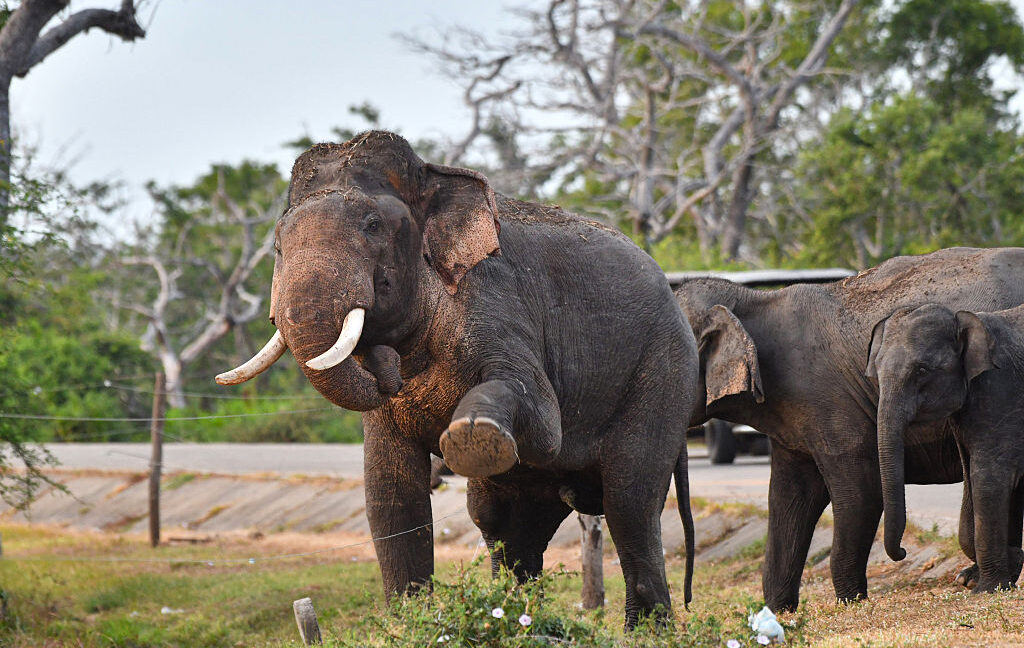
In Sri Lanka, ecological changes are shrinking the elephant population in Uda Walawe National Park, raising concerns about the future of these iconic animals. Recent assessments indicate that habitat loss, driven by agriculture, urban development, and climate change, is significantly impacting the elephants' food sources and migration patterns.
The decline in the elephant population is particularly alarming because Sri Lanka is home to one of the largest remaining Asian elephant populations in the world. These animals play a crucial role in maintaining the ecosystem by dispersing seeds and creating pathways through dense vegetation. As their numbers dwindle, the ecological balance is threatened, which could lead to further degradation of the park's diverse habitats. The situation is compounded by human-elephant conflicts, as elephants venture into nearby agricultural lands in search of food, leading to more confrontations with local farmers.
The Sri Lankan government and conservation groups are now under pressure to implement effective measures to protect the elephants and their habitat. Conservationists advocate for creating wildlife corridors to connect fragmented habitats and promote coexistence between elephants and humans. Some initiatives include community awareness programs aimed at reducing conflicts and encouraging sustainable agricultural practices. However, funding and political will remain significant barriers to these efforts.
The future of Sri Lanka's elephants hangs in the balance. If proactive measures are not taken, experts warn that the population could continue to decline, leading to potential extinction in the wild. This situation serves as a critical reminder of the importance of preserving biodiversity and the delicate interplay between humans and wildlife. Addressing these challenges is vital not only for the elephants but also for the overall health of the ecosystem that supports countless other species.
Read Full Story at Ars Technica →