Intel secures 90-day waiver for foreign-made robots from U.S. Commerce Department
Intel received a 90-day waiver from the U.S. Commerce Department, allowing it to continue using foreign-made robotic vehicles in its manufacturing plants, amid concerns that a pending ban could disru…
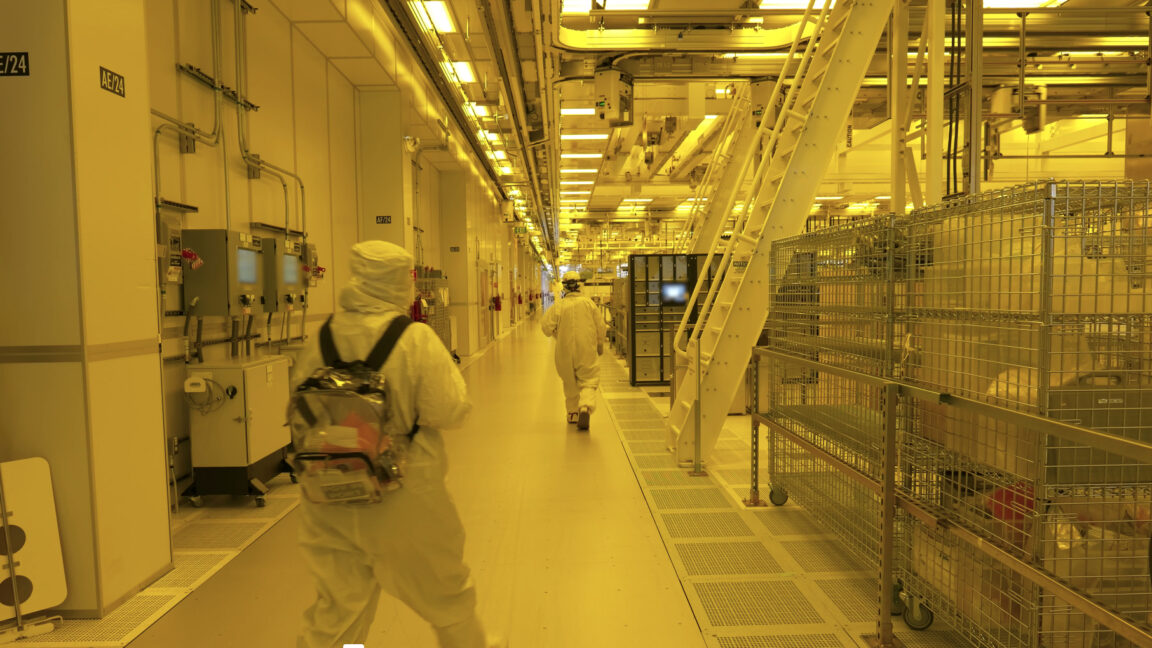
Intel Corp. received a waiver on Wednesday from the U.S. Commerce Department that lets the chipmaker keep using foreign‑made robotic vehicles in its manufacturing plants, after the agency warned that a pending ban on such equipment could disrupt production at U.S. fabs. The waiver applies to the automated guided vehicles Intel uses to move silicon wafers and other materials inside its factories in Arizona, Ohio and New Mexico. The decision comes as the department prepares to finalize a rule that would bar the import of certain industrial robots deemed “high‑risk” for national‑security reasons, a move aimed at curbing China’s influence in the semiconductor supply chain.
The ban is part of a broader U.S. effort to protect critical technology from foreign control after the passage of the CHIPS and Science Act and a series of export‑control measures targeting China’s access to advanced manufacturing tools. Lawmakers and industry officials have warned that the rule’s language is vague, leaving companies uncertain about which equipment is prohibited. Intel argued that many of its robotic vehicles are sourced from Japanese and European firms that do not pose a security threat, and that the machines are essential for maintaining the high throughput needed to meet global chip demand. The company said a sudden loss of these tools would force costly retrofits and could delay shipments to customers in automotive, data‑center and consumer‑electronics markets.
The waiver is temporary, lasting 90 days while Intel submits a detailed compliance plan and the Commerce Department refines the rule’s definitions. Intel pledged to work with the agency to ensure any future imports meet the new security standards. Industry groups have welcomed the exemption, saying it shows the government is listening to practical concerns, but they also urged faster clarification of the ban to avoid supply‑chain shocks. The next steps will involve a public comment period on the final rule, expected later this month, after which the department will decide whether to extend the waiver or require Intel to replace the foreign‑made robots with domestically sourced alternatives. The outcome will shape how quickly U.S. chip fabs can modernize while staying within emerging security constraints.
Read Full Story at Ars Technica →