Iran fires missiles at Gulf allies after U.S. strikes
Iran fired missiles at U.S. allies in the Gulf, retaliating for American strikes it says killed civilians, ending a monthlong lull in conflict. Escalating tensions threaten to disrupt global oil mark…
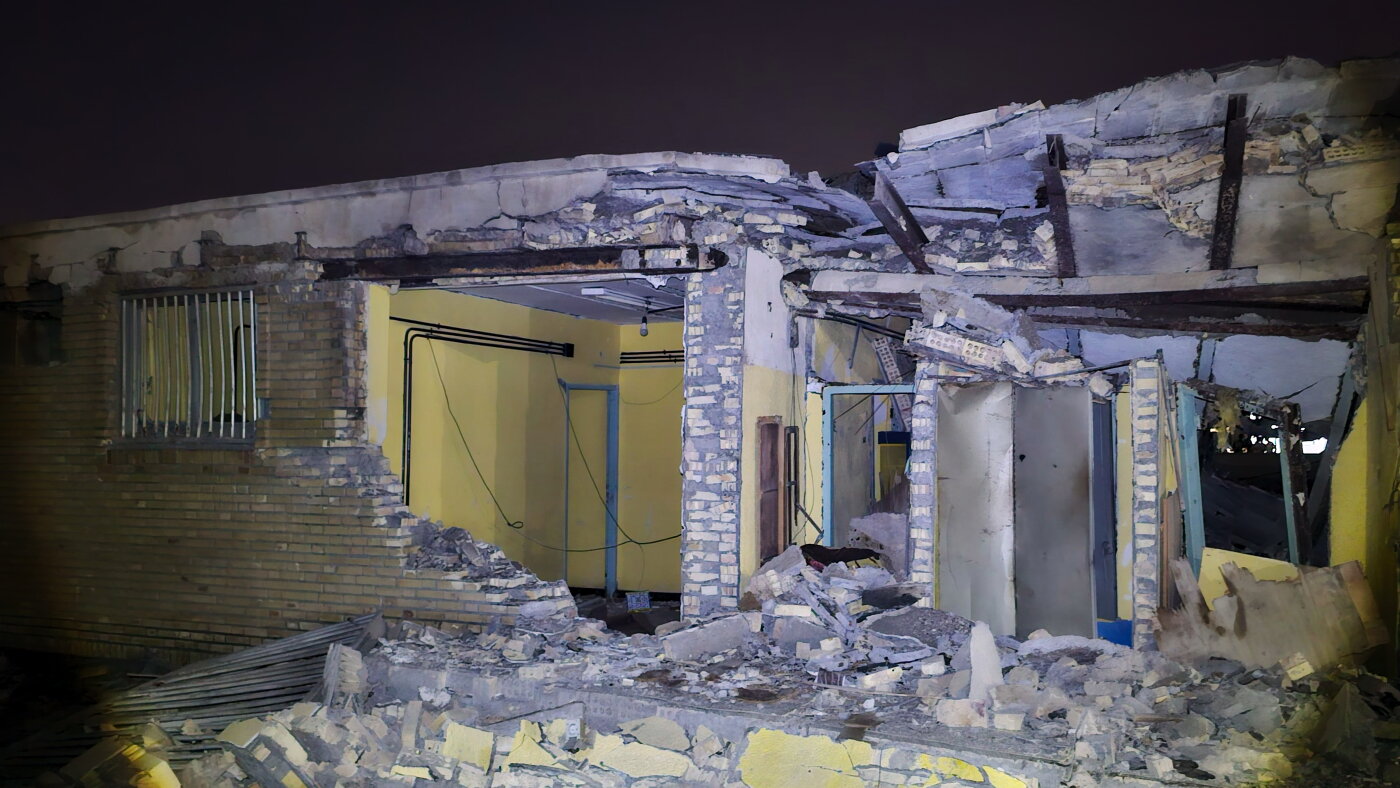
Iran fired missiles at U.S. allies in the Gulf early Wednesday, retaliating for overnight American strikes that Iranian officials say killed civilians at a wedding party.
The attacks broke a monthlong lull in fighting between Iran and U.S.-backed forces in the region. The six-month conflict has driven oil prices sharply higher, unsettled global markets and become a growing political headache for President Donald Trump’s Republicans ahead of November’s midterm elections. Tensions spiked over the weekend when the U.S. military destroyed Iranian rocket launchers on an island in the Strait of Hormuz, claiming they were being prepared to plant naval mines in the vital shipping lane. Iran responded by launching missiles at American bases in Jordan, which were intercepted. Now, Iran has widened its retaliation to strike targets in Kuwait and Bahrain, though neither country reported casualties.
The strikes come as Iran’s economy buckles under sanctions and currency collapse. The Iranian rial hit a new low Wednesday, trading at 2.2 million to the dollar, a 10% drop in a week. Analysts warn the cycle of retaliation risks spiraling into full-scale war. “Neither side can keep oscillating between limited strikes and de-escalation forever,” said Hamidreza Azizi, senior Iran analyst at the International Crisis Group. “At some point, one side may feel forced to escalate to break the deadlock—and that could lead to the larger conflict both have tried to avoid.”
The latest flare-up also reflects shifting momentum in the standoff. Despite Iran’s threats, U.S. Central Command says it has quietly cleared mines from the Strait of Hormuz, helping nearly 1,500 commercial vessels carrying some 750 million barrels of oil pass safely in recent months. That flow remains far below prewar levels, but the U.S. claims it has restored enough confidence to stabilize markets. “The Iranians have to reinsert insecurity to counter that message,” said Sascha Bruchmann of the International Institute for Strategic Studies. Since fighting resumed, Brent crude has jumped to around $95 a barrel—up more than 30% since the war began. With oil prices rising and regional economies straining, the risk is that further escalation could push both sides toward a direct confrontation neither wants.
Read Full Story at NPR News →