Iran threatens retaliation as Israel boosts military readiness for potential strikes.
Israel has increased its military readiness for potential strikes on Iran, amid warnings from Tehran of expanded retaliation if attacked. The situation is complicated by internal political pressures …
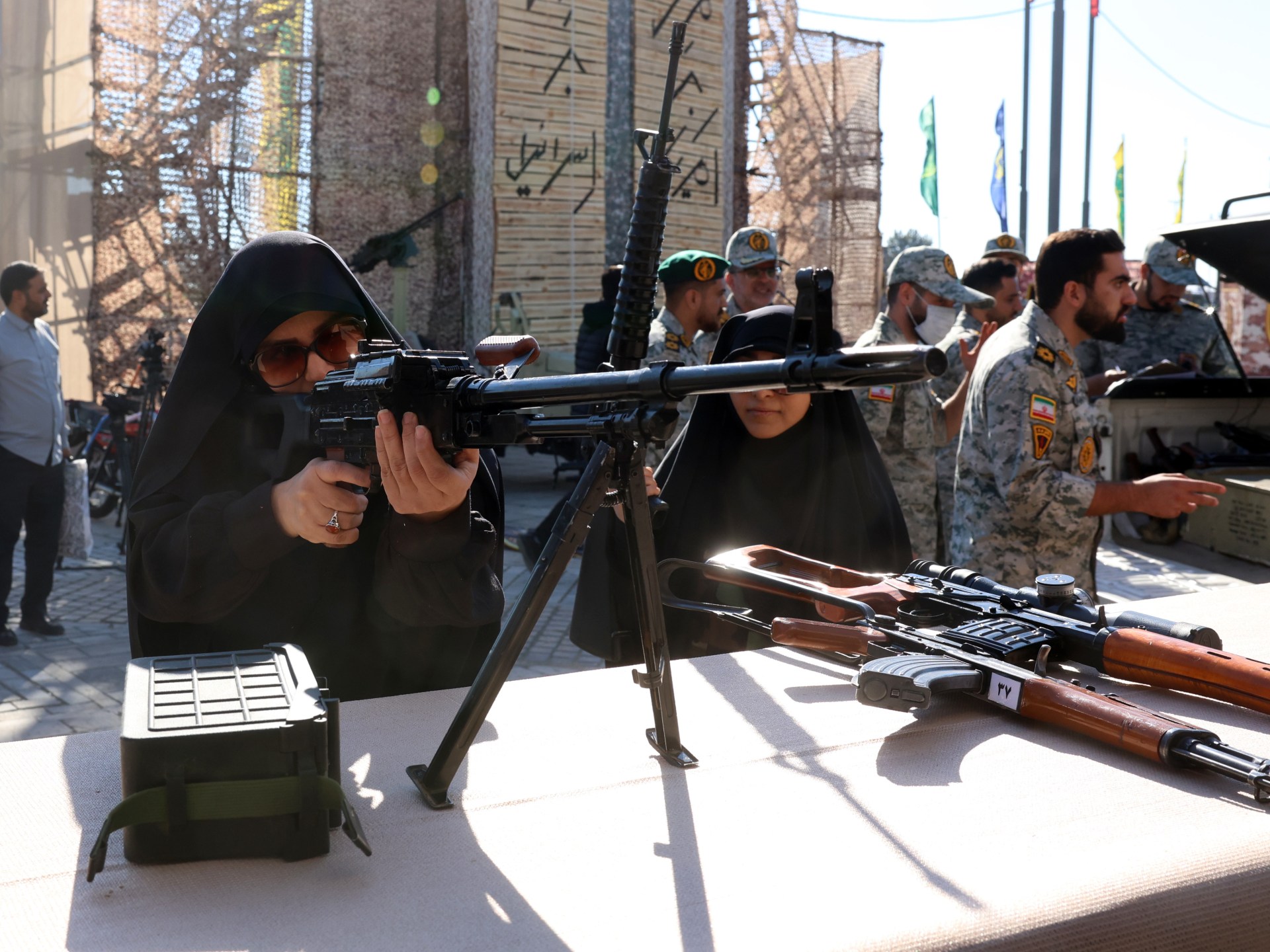
Israel has ordered its military to enhance readiness for possible strikes on Iran, amidst escalating tensions in the region. This directive from Israel's security cabinet, led by Prime Minister Benjamin Netanyahu, comes as reports indicate that Tehran would respond to any attack by expanding the conflict beyond its borders. The situation is fraught, as Netanyahu faces pressure from opposition leader Gadi Eisenkot, who has urged restraint until a new government is formed.
The backdrop to this escalation is Israel's ongoing commitment to countering Iranian influence, particularly following its recent electoral challenges. Netanyahu's coalition lost its parliamentary majority in the October elections, placing him in a caretaker role. Eisenkot's call for caution highlights internal political divisions, as he warned against military action without an immediate threat. The urgency of the situation is compounded by ongoing diplomatic efforts aimed at preventing further conflict, with the U.S. considering its own military response if negotiations with Iran fail.
Iran's security chief Mohsen Rezaei issued a stark warning, stating that any military action by the U.S. would make every base involved a legitimate target for retaliation. This rhetoric signals Iran's intention to respond decisively if it feels threatened. The Iranian leadership is reportedly contemplating a shift in its negotiation strategy, potentially appointing Rezaei as chief negotiator, as they seek to break the current impasse characterized by a state of "no war, no peace."
In Washington, discussions around military options are intensifying. U.S. President Donald Trump has expressed a readiness to escalate military action if diplomatic efforts, particularly those facilitated by Qatar, do not yield results. With both sides entrenched in their positions, the potential for miscalculation or unintended escalation remains high, raising the stakes for regional stability.
Read Full Story at Al Jazeera →