Iran warns ships to seek approval before Strait of Hormuz transit
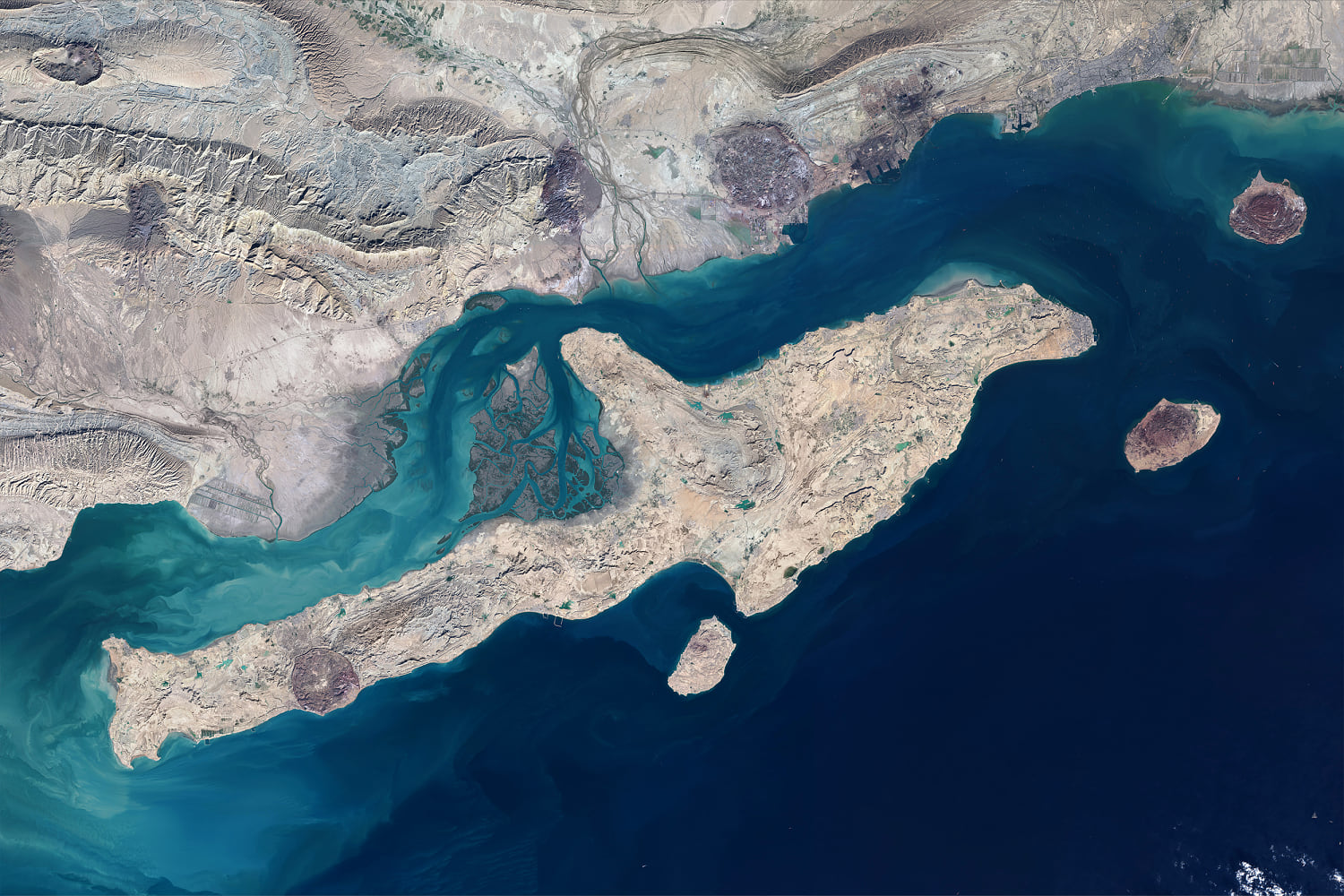
Iran threatened ships transiting the Strait of Hormuz without its approval, demanding coordination through Iranian-designated routes or risking "unacceptable and dangerous" consequences. This dispute

Iran’s Revolutionary Guard (IRGC) warned shipowners on Wednesday that any vessel transiting the Strait of Hormuz without Tehran’s approval faces “unac
Read Full Story at CNBC Economy →Why This Matters
The Strait of Hormuz remains the world’s most critical chokepoint for oil transit, with nearly a fifth of global seaborne crude passing through its narrow waters. Iran’s latest warning underscores a calculated escalation in its strategy to assert control over regional maritime sovereignty, testing the resolve of Western powers and Gulf allies amid a backdrop of fragile geopolitical stability.
Background Context
Since the 1979 Islamic Revolution, Iran has periodically leveraged its geographic dominance of the Strait of Hormuz to project power, most notably during the 1980s "Tanker War" when it targeted Gulf shipping in retaliation for Iraqi attacks. Recent years have seen a resurgence of such tactics, with drones, fast boats, and proxy forces used to disrupt maritime traffic, all while Tehran frames its actions as defensive responses to perceived threats.
What Happens Next
Expect increased naval patrols by the U.S. Fifth Fleet and Gulf Cooperation Council states, but with growing hesitation over direct confrontation that could spiral into wider conflict. The ambiguity of Iran’s "coordination" demands—vague on enforcement mechanisms—leaves room for miscalculation, particularly as regional proxies like the Houthis in Yemen may interpret Tehran’s stance as a green light for further maritime disruption.
Bigger Picture
This episode reflects a broader trend of Iran weaponizing its asymmetric capabilities to chip away at U.S. influence in the Gulf without triggering full-scale hostilities. As Gulf states diversify alliances and energy routes, Iran’s gambit highlights the fragility of regional security architecture, where economic leverage and military posturing increasingly blur into a single strategy of coercive diplomacy.