Israel seizes Crusades-built fortress in Lebanon as it expands offensive
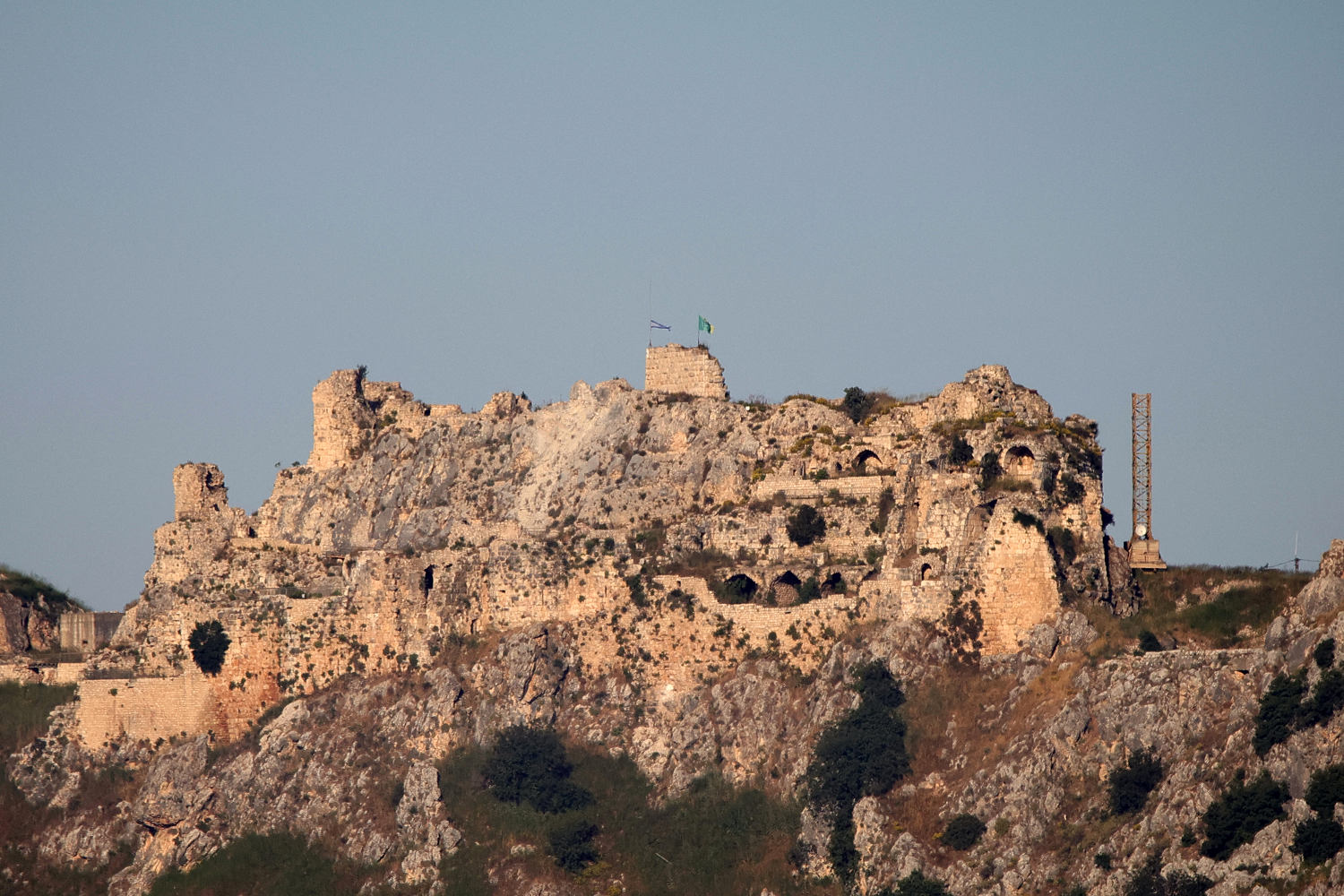
Israeli forces captured Beaufort Castle, a Crusades-era fortress in southern Lebanon, their deepest ground incursion since 2000, as part of an expanded offensive against Hezbollah. The seizure, 1.5km inside Lebanon, disrupts Hezbollah's missile deployments and heightens regional tensions amid ongoing Israel-Hezbollah clashes since October 7.
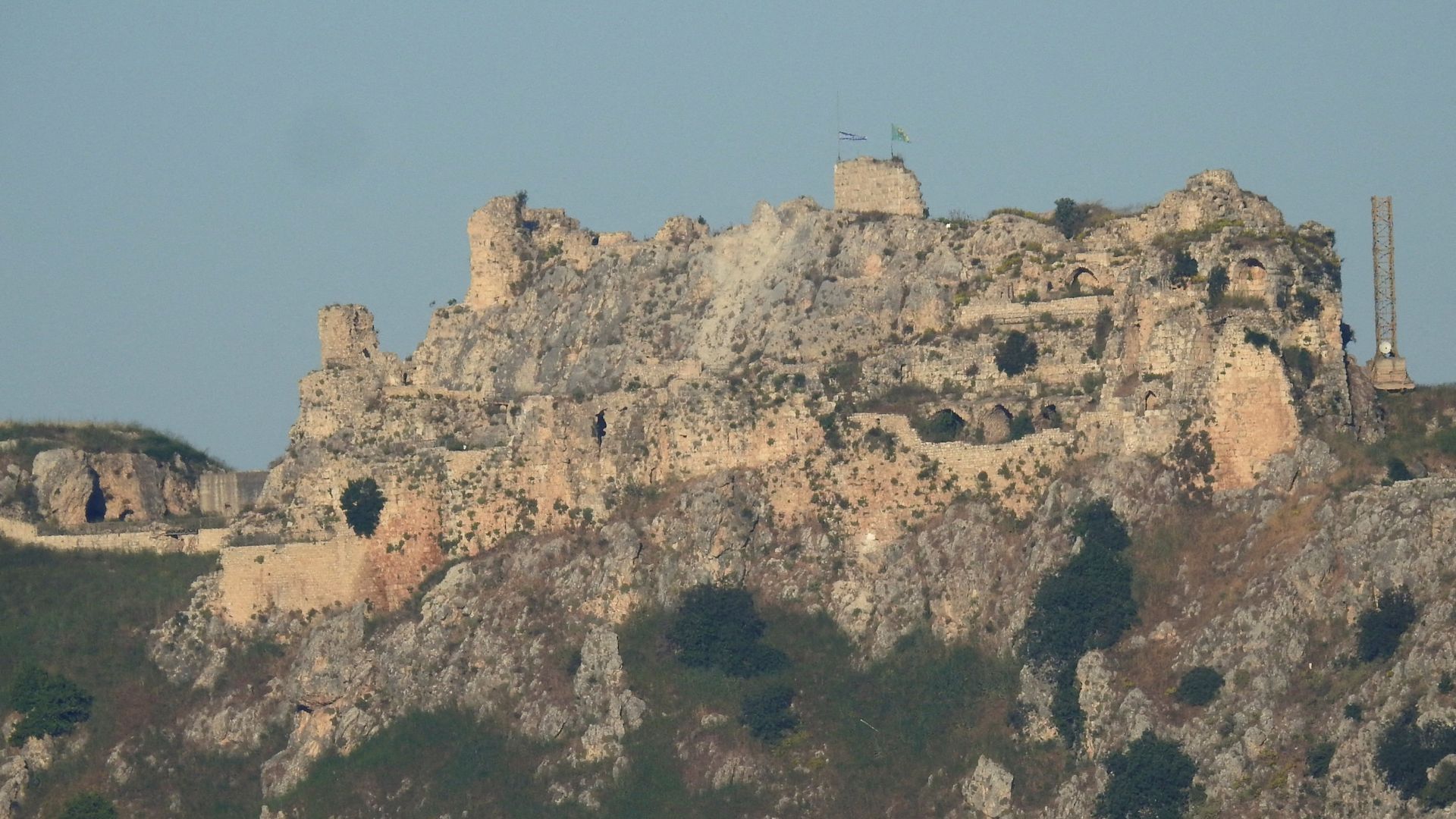
Israeli forces have captured Beaufort Castle, a strategically important Crusades-era fortress in southern Lebanon, marking the deepest ground incursion into Lebanese territory since the withdrawal of Israeli troops in 2000. The offensive, part of a widening military campaign against Hezbollah, signals a significant escalation in hostilities along the Israel-Lebanon border, where cross-border exchanges have intensified over the past year. The fortress, originally built in the 12th century by Crusaders and later controlled by Mamluks, overlooks the Litani River valley and has served as a vantage point for monitoring southern Lebanon for decades. Its capture is not only a tactical gain but also a symbolic move, evoking historical echoes of the medieval Crusades—a narrative likely to resonate in regional propaganda and public sentiment.
The operation comes amid a sharp rise in violence between Israel and Hezbollah, which has intensified since the October 7 attacks by Hamas and the subsequent war in Gaza. Hezbollah, backed by Iran, has exchanged daily rocket and artillery fire with Israeli forces, prompting Israel to conduct airstrikes and ground raids deep into Lebanese territory. The seizure of Beaufort Castle, located some 1.5 kilometres inside Lebanon, represents a deeper Israeli push than any seen since the 2006 Lebanon War, when Israel briefly occupied parts of southern Lebanon. Military analysts note that control of the fortress could disrupt Hezbollah’s ability to launch long-range attacks into northern Israel, particularly as the group has increasingly used the area for missile deployments.
The broader implications of this incursion extend beyond immediate military gains. Lebanon, already grappling with severe economic collapse, political paralysis, and a fragile state structure, now faces the prospect of further destabilisation. The Lebanese government, which has struggled to assert authority over armed groups operating within its borders, has condemned the Israeli offensive as a violation of its sovereignty. Meanwhile, regional tensions are rising, with Iran—Hezbollah’s principal backer—warning of severe consequences should Israel continue its operations. The international community, including the United Nations and European Union, has called for restraint to prevent a broader conflict that could draw in other actors.
As Israeli forces consolidate their position around Beaufort Castle, the move underscores the broadening scope of Israel’s military objectives in Lebanon. With ceasefire negotiations stalled and diplomatic efforts failing to curb hostilities, the capture of the fortress may signal a longer-term strategy to degrade Hezbollah’s operational capacity. For now, the situation remains fluid, with both sides trading fire and neither indicating readiness to de-escalate. The international community watches closely, aware that miscalculation or escalation could plunge the region into a wider and more devastating war.