Japan surpasses 100,000 centenarians, highlights aging population challenges
Japan has surpassed 100,000 centenarians, a record that illustrates the country's rapidly aging population. This trend poses challenges for healthcare and pension systems while also providing insight…
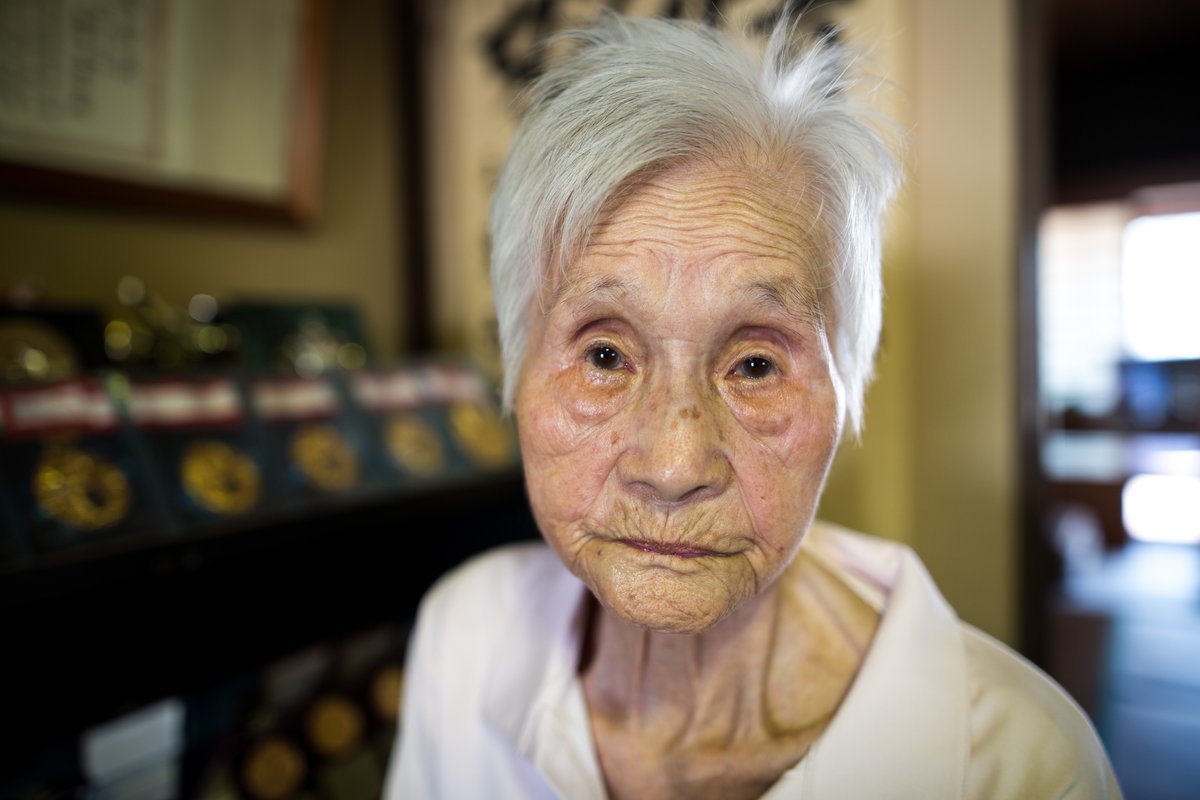
Japan has recorded its 100,000th centenarian, a milestone announced by the Ministry of Health, Labour and Welfare on Thursday. The count, based on the latest census data, shows that more than 100,000 residents are now 100 years old or older, a number that surpassed the previous record of 94,000 set in 2018. The data cover the entire population and include both men and women who have reached the age of 100 or more. The figure was released during a briefing at the Ministry’s headquarters in Tokyo.
The milestone matters because Japan’s population is aging faster than any other country. By 2030, roughly a quarter of the nation will be 65 or older, and the centenarian cohort is growing at a rate of about 1.5% per year. This shift strains the healthcare system, pension funds and long‑term care infrastructure. It also offers a unique opportunity to study how modern lifestyles, diet, and medical technology can extend healthy life expectancy. The rise in centenarians has prompted scholars to examine whether the benefits of longevity are being shared across socioeconomic groups, as the gap between the rich and the poor widens in health outcomes.
Several factors have driven Japan’s longevity boom. A diet high in fish, soy and fermented foods, combined with low smoking rates and a culture that encourages regular physical activity, has long been linked to lower rates of heart disease and cancer. The country’s public health system, which offers universal coverage and regular screenings, has improved early detection and treatment of chronic conditions. Advances in medical technology—especially in cardiology, oncology and regenerative medicine—have extended life expectancy for people with conditions that once were fatal. In addition, government initiatives such as the “Healthy Ageing Strategy” and increased funding for geriatric research have created a supportive environment for older adults to maintain independence and quality of life.
Looking ahead, the Japanese government plans to expand its “Ageing Society 2030” policy, aiming to reduce the financial burden on families and improve access to elder care. The Ministry is also investing in research on age‑related diseases and in digital health platforms that monitor vital signs remotely. Internationally, Japan’s data will inform global discussions on aging, as other nations grapple with similar demographic trends. The 100,000‑centenarian mark signals both a triumph of public health policy and a call to adapt social systems to an older population.
Read Full Story at Scientific American →