Nevada man kills parents during five-minute 911 confession
A Nevada man confessed to killing his parents over a five-minute 911 call before gunfire silenced the line. The incident exposes critical gaps in emergency systems, where under-resourced dispatchers …
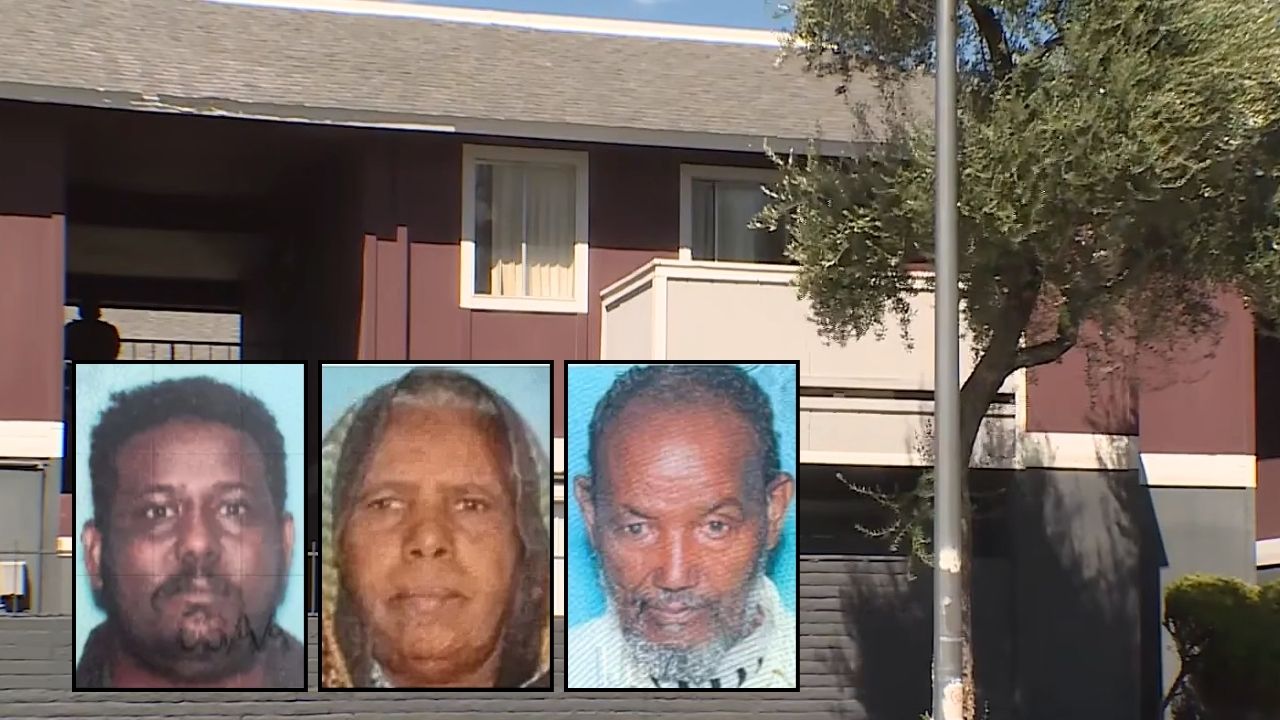
A man in Nevada confessed to killing his parents over the phone before the call ended in gunfire. The incident unfolded during a nearly five-minute conversation with 911 dispatchers, where the caller explicitly stated his intent to kill his family. He told the operator that he no longer wanted to live. As the dispatcher attempted to keep him on the line, the sound of gunshots broke through the background noise. The line then went silent, marking the end of the call. Police responded to the scene and found the victims dead. This tragedy highlights a critical failure in emergency intervention systems that are often under-resourced and struggling to handle complex, high-stakes mental health crises in real time.
This case is not an isolated anomaly. It is part of a growing national trend where 911 dispatchers are increasingly the first point of contact for individuals in acute crisis. Recent studies and reports from across the United States show that dispatchers are frequently forced to make split-second decisions without adequate training in de-escalation or immediate access to specialized mental health professionals. In many jurisdictions, the role of the 911 operator has expanded far beyond simple routing of police or fire units. They are now often the sole barrier between a vulnerable person and irreversible harm. The pressure on these workers is immense, yet the support structures, such as rapid response teams or co-responder models, are not always available or effective enough to prevent outcomes like this.
The details of this specific call have sparked renewed debate about the need for systemic changes in how emergency services handle suicidal ideation and domestic violence threats. For minutes, the dispatcher was engaged in a verbal standoff with a man who had already decided to take lives. The fact that the call lasted nearly five minutes suggests that the dispatcher was attempting to buy time, a standard protocol used to keep callers engaged and delay their actions. However, without physical backup or specialized intervention teams on standby, these verbal tactics can sometimes be insufficient. Experts argue that while dispatchers do their best, the current model places an unfair burden on individuals who are not equipped to handle active threats of mass violence or severe domestic homicide.
What happens next will likely involve a thorough review of the dispatch protocols used in this county. Law enforcement agencies and emergency management officials are expected to examine the call recording to determine if any additional resources could have been deployed faster. This incident underscores the urgent need for better integration between mental health services and emergency response networks. Communities are calling for more funding for mobile crisis units that can arrive on scene within minutes, rather than waiting for standard police dispatch times. Until such systems are fully implemented, 911 dispatchers will continue to face impossible situations where their words are the only tool they have to save lives, often against the clock and against the will of a caller who has already crossed a point of no return. The silence at the end of that call serves as a stark reminder of the gaps in our safety net.
Read Full Story at Law & Crime →