Researchers uncover sheeppox virus remnants in medieval manuscripts
Researchers have found that medieval manuscripts may contain genetic remnants of the sheeppox virus, offering insights into historical outbreaks that could inform current public health strategies. Th…
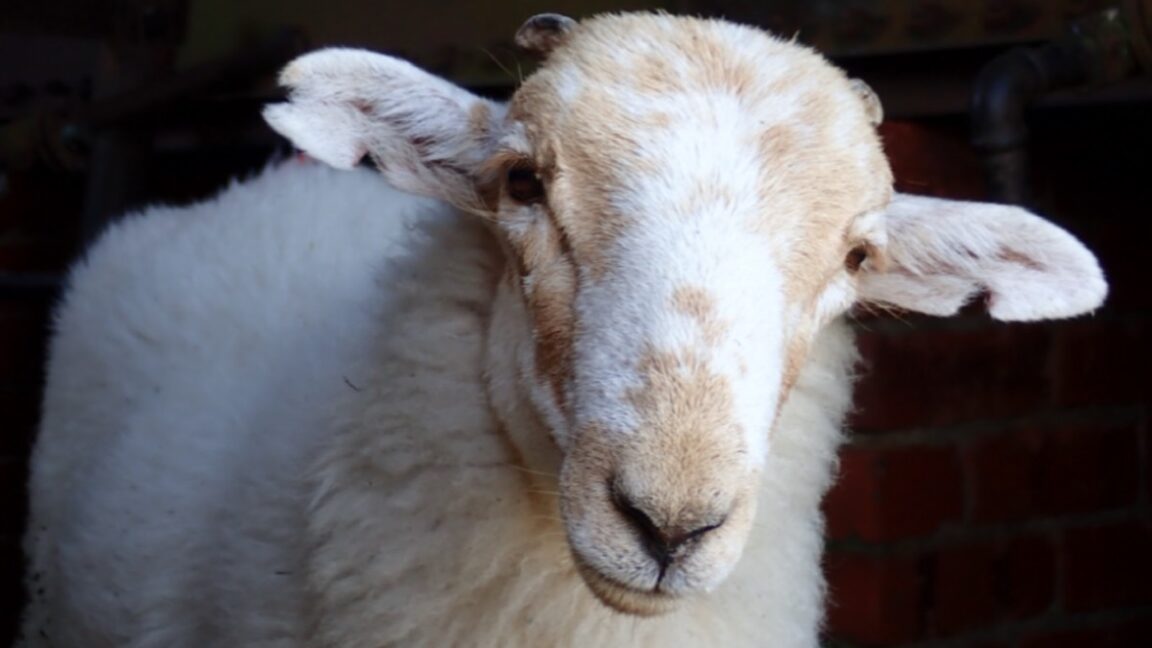
Medieval manuscripts are being identified as "biological time capsules" for the deadly sheeppox virus. Researchers have discovered that these ancient texts, which date back to the 12th century, may contain genetic remnants of the virus that caused severe outbreaks among sheep populations in Europe. This finding was reported recently in a study that highlights the unexpected value of historical documents in understanding past diseases.
The urgency of this research stems from the need to better understand zoonotic diseases—those that jump from animals to humans. In the wake of the COVID-19 pandemic, scientists are paying increased attention to how historical outbreaks may inform current and future public health strategies. By examining the genetic material found in manuscripts, researchers hope to trace the evolution of the sheeppox virus and its impact on livestock health, which is crucial for sustainable agriculture and food security.
The study indicates that other archives and libraries worldwide may also house similar genetic traces of past disease outbreaks. This discovery opens a new avenue for research, suggesting that historical documents are not merely artifacts but repositories of biological data. Scholars are now encouraged to explore their collections for hidden insights into the pathogens of the past, potentially leading to breakthroughs in understanding modern diseases that may have roots in historical outbreaks.
Looking ahead, this research could pave the way for improved strategies in managing animal health and preventing disease transmission to humans. By decoding the genetic information embedded in these manuscripts, scientists can develop better vaccines and treatments. This work underscores the importance of interdisciplinary collaboration—combining history, genetics, and veterinary science—to address the challenges posed by infectious diseases. Understanding the past is becoming increasingly relevant as we navigate the complexities of modern public health.
Read Full Story at Ars Technica →