Mexico lifts gill-net fishing ban, endangering vaquita porpoises' survival
Mexico has lifted the ban on gill-net fishing in the Upper Gulf of California, eliminating the last legal protections for the critically endangered vaquita porpoise, which may lead to its extinction.…
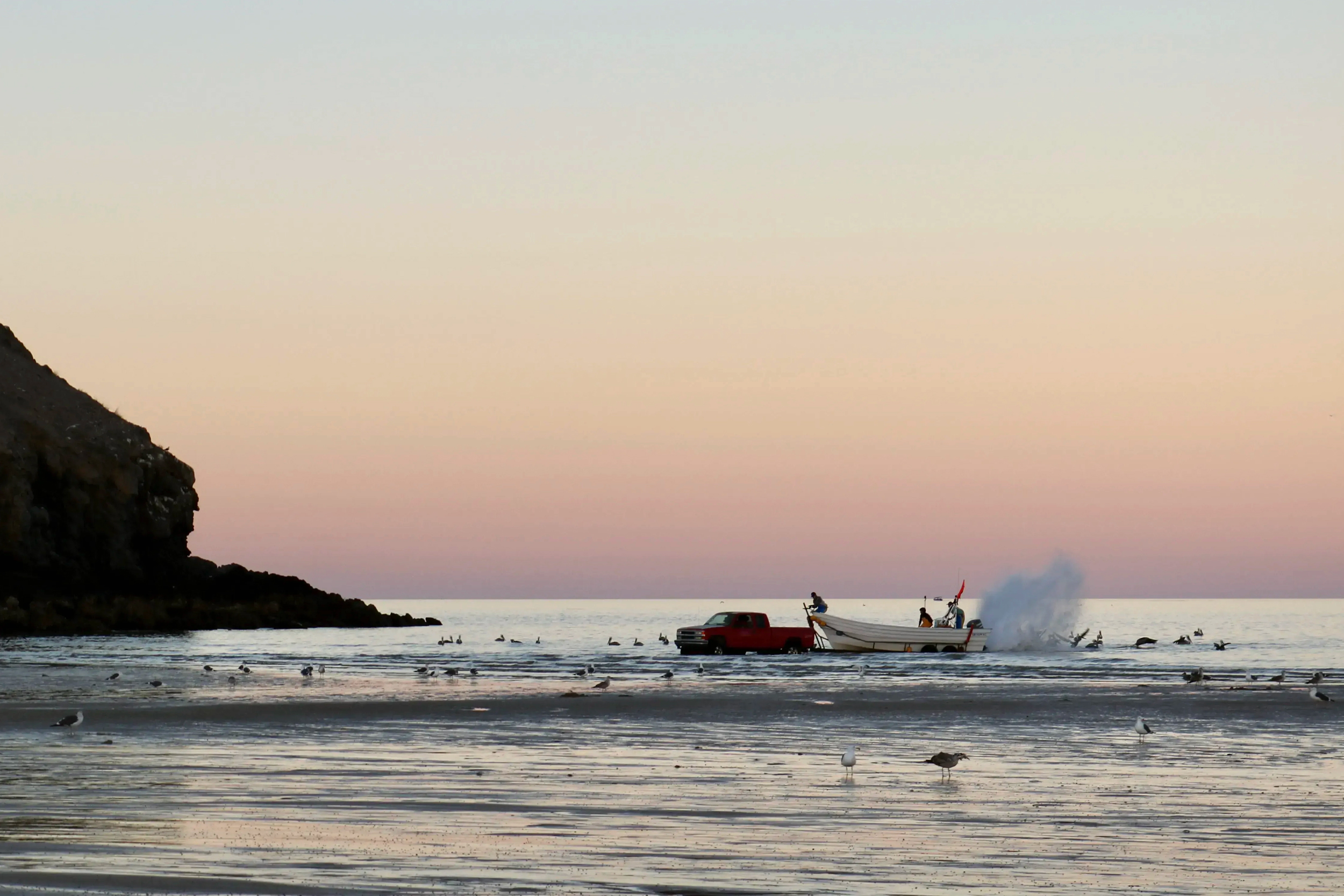
Mexico’s environment ministry announced on Thursday that it will lift the ban on gill‑net fishing in the Upper Gulf of California, effectively ending the last legal protection for the world’s rarest marine mammal, the vaquita. The decision follows a decree that allows commercial vessels to resume netting in the 1,500‑square‑kilometre sanctuary where scientists estimate only seven to ten animals remain. The move was signed by the agency’s director, who said the policy will “support local livelihoods” while “maintaining sustainable use of marine resources.”
The vaquita has been on the brink of extinction for more than a decade, driven almost entirely by illegal gill‑nets set for the endangered totoaba fish. Totoaba swim bladders fetch up to $20,000 each on the black‑market in China, prompting poachers to ignore the ban. In 2017, Mexico declared a no‑net zone, but enforcement has been weak and illegal activity continues. The latest decree comes after a court ruling that the 2017 ban violated the constitutional rights of small‑scale fishers, a decision that environmental groups say was influenced by powerful fishing lobbies.
Conservationists reacted with outrage. The World Wildlife Fund called the reversal “a catastrophic setback for a species on the edge of extinction.” The International Union for Conservation of Nature warned that the vaquita could be extinct in the wild within months if netting resumes. Mexico’s own scientific panel, which conducted the 2023 population survey, urged the government to keep the sanctuary closed and to increase patrols. The United States, which funds anti‑poaching operations in the region, said it will review the policy change and consider adjusting aid.
The ministry says it will issue a “temporary permit” system for a limited number of vessels, paired with a monitoring program that uses acoustic detectors to track the porpoises. Critics doubt the effectiveness of such measures, noting that even a single net can kill a vaquita. International NGOs plan to sue the government in Mexican courts, and a coalition of scientists is preparing a petition to the United Nations to list the vaquita as a protected species under the Convention on Migratory Species. The next steps will hinge on whether the new permit scheme can prevent accidental catches or if pressure from the global conservation community forces a reversal of the policy.
Read Full Story at Inside Climate News →