NASA Ames develops wide-field camera for Roman Space Telescope launch
NASA's Nancy Grace Roman Space Telescope is launching on August 30 to study dark energy, dark matter, and exoplanets, enhancing our understanding of the universe. Developed with key contributions fro…
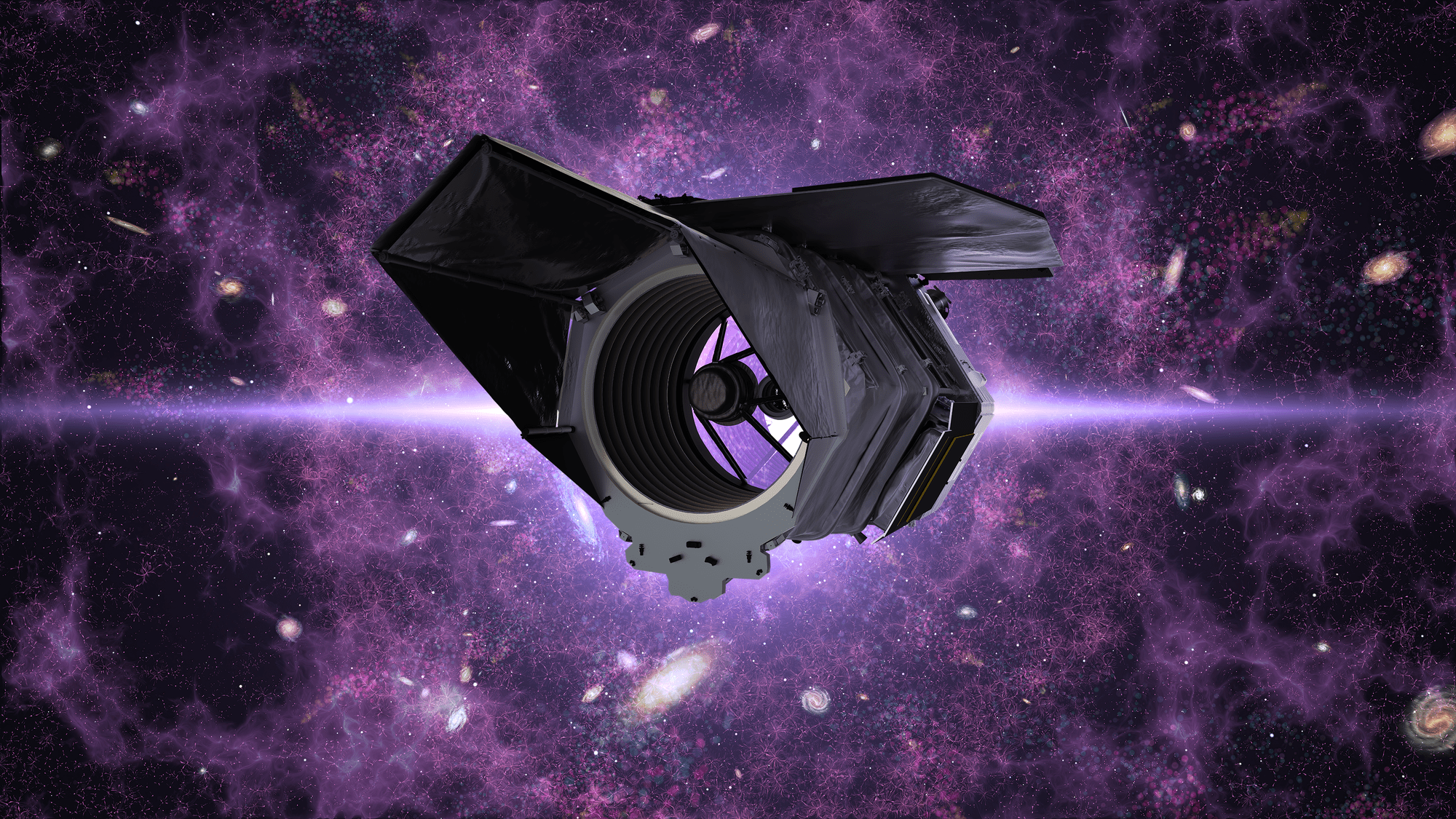
NASA's Nancy Grace Roman Space Telescope is set to launch on Sunday, August 30. This groundbreaking mission aims to enhance our understanding of the universe by studying dark energy, dark matter, exoplanets, and the formation of galaxies. The telescope is named after astronomer Nancy Grace Roman, who was instrumental in planning NASA's Hubble Space Telescope and is often referred to as the "Mother of Hubble."
The Roman Space Telescope's launch comes at a crucial time in astrophysics. Scientists are eager to unravel the mysteries surrounding dark energy, which is believed to drive the universe's accelerated expansion, and dark matter, which makes up a large portion of the universe's mass but remains largely undetectable. With Roman, astronomers will have access to a wide field of view, allowing them to survey large sections of the sky much more efficiently than previous telescopes. This capability is essential in gathering data to address significant questions in cosmology and planetary science.
Key contributions to Roman's mission have been made by NASA's Ames Research Center, which played a vital role in developing the telescope's wide-field camera. This instrument will enable Roman to capture detailed images of billions of galaxies and discover thousands of new exoplanets. The data collected will help scientists create a more comprehensive picture of how galaxies evolve and how solar systems form. The mission is expected to yield results that could reshape our understanding of fundamental cosmic processes.
Following its launch, the Roman telescope will undergo a commissioning phase before it begins full operations. The mission is slated to last for five years, during which it will conduct surveys and gather data. The outcomes of this mission could lead to new insights about the universe, potentially answering questions about its composition and the nature of gravity. As the telescope takes to the skies, the astronomical community is poised for a deeper understanding of our universe and our place within it.
Read Full Story at NASA →