NASA invites proposals to develop lunar technologies for Artemis program
NASA is inviting proposals to develop technologies for lunar exploration and establishing a base at the Moon's South Pole, addressing crucial gaps in areas like power generation and oxygen extraction…
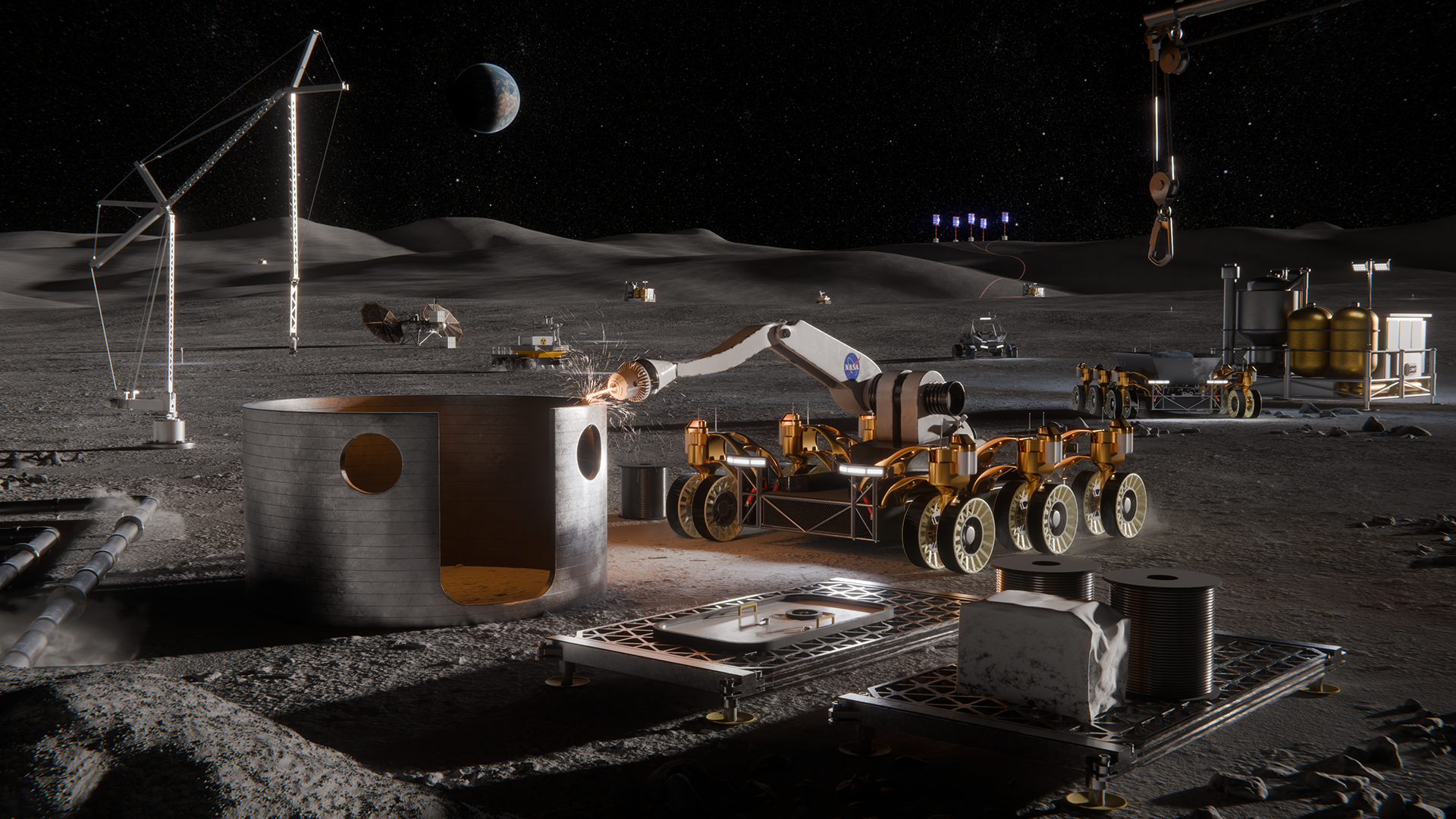
NASA is calling for proposals to advance key technologies for exploring the Moon and establishing a lunar base in the South Pole region. This announcement was made on Tuesday, September 8, as part of the agency's ongoing efforts to return humans to the Moon by the mid-2020s. The focus is on addressing capability gaps in critical areas such as power generation, oxygen extraction, and in-situ resource utilization for construction and operations on the lunar surface.
This initiative comes in the context of renewed interest in lunar exploration, driven by both scientific goals and geopolitical considerations. NASA's Artemis program aims to land the first woman and the next man on the Moon, with the goal of establishing a sustainable presence by the end of the decade. International partnerships and private sector involvement are also on the rise, making it crucial for NASA to develop reliable technologies that can support long-term missions and potentially pave the way for future Mars exploration.
Proposals are expected to target specific technological challenges that have historically hindered lunar exploration. For instance, effective power generation methods are essential for sustaining life and operations on the Moon, where sunlight is limited and resources are scarce. Similarly, extracting oxygen from lunar regolith and producing construction materials on-site are vital for reducing the need to transport supplies from Earth, which is costly and time-consuming. NASA is looking for innovative solutions from industry, academia, and research institutions to fill these gaps.
The next steps involve evaluating the proposals received and selecting projects that align with NASA's goals. Successful technologies could significantly impact future lunar missions and help establish a foundation for permanent human presence on the Moon. This endeavor is more than just an exploration project; it is a step toward unlocking the Moon's potential as a launching point for deeper space missions, including those to Mars. As nations and private companies accelerate their lunar ambitions, NASA's efforts will play a key role in shaping the future of space exploration.
Read Full Story at NASA →